Categories
Digital marketing

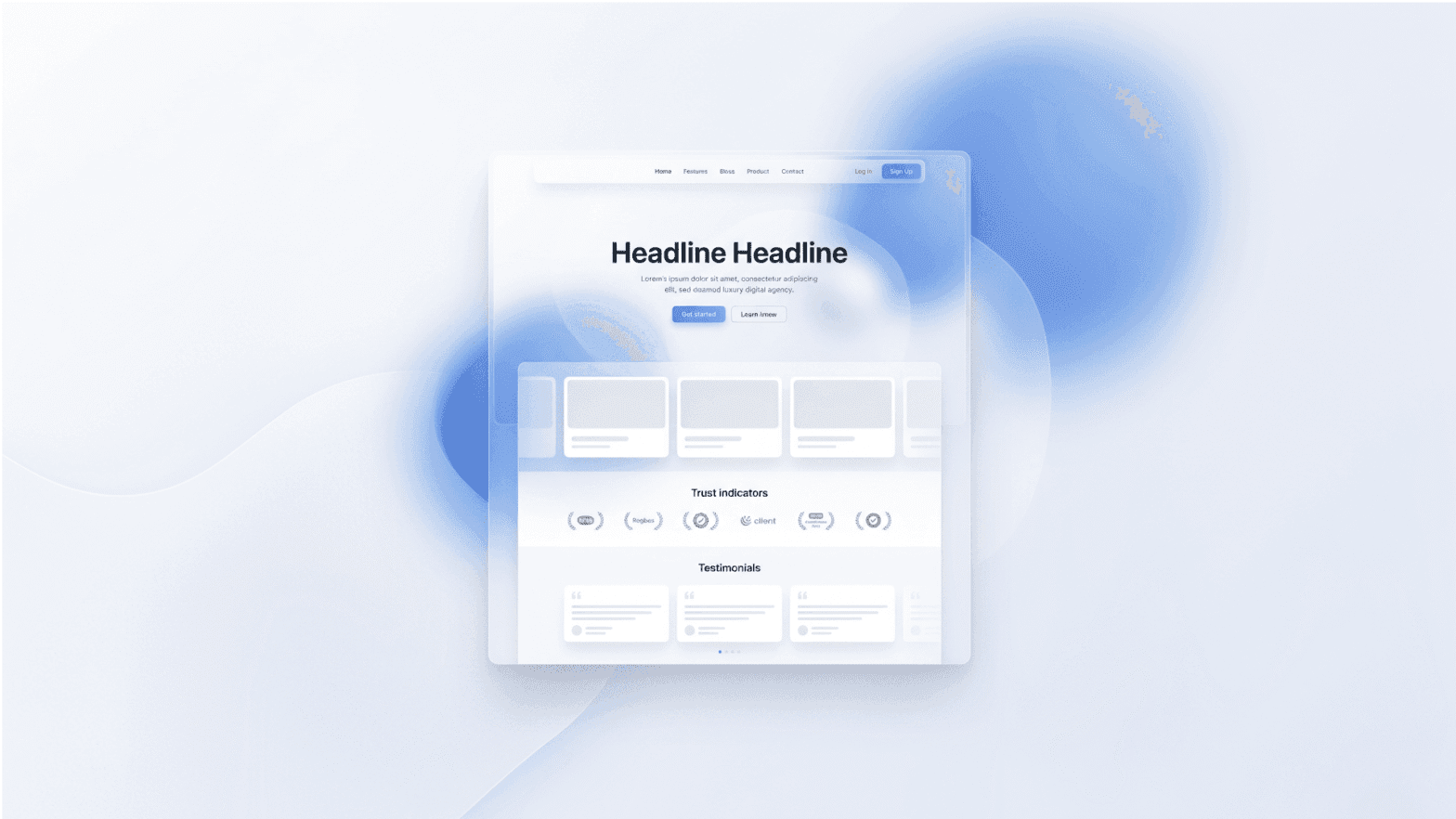
8 Homepage Elements That Keep Visitors On Your Site

Your homepage isn’t just a digital door; it’s the hello, the handshake, and the “oh wow, I like this place” moment of your brand. It is often the first interaction people have with your business. Visitors usually decide within a few seconds whether they want to continue exploring or leave your website. A well-designed homepage builds trust, communicates your value, and guides users toward the next step. 


If your homepage is cluttered, vague, or trying too hard, visitors will bounce faster than you can say “loading spinner.” But when you get it right, when you combine clarity, creativity, and purpose, your homepage becomes your best salesperson.


So, what makes a homepage work? In this guide, we’ll explore eight essential homepage elements that improve user experience, increase engagement, and help turn visitors into customers.


Why Homepage Elements Matter

Your homepage is often the first interaction potential customers have with your business. Within just a few seconds, visitors decide whether your website feels trustworthy, relevant, and worth exploring. That’s why choosing the right homepage elements isn’t just about creating an attractive design—it’s about delivering a seamless user experience that encourages people to stay and take action.


A well-structured homepage helps reduce your website’s bounce rate by giving visitors exactly what they’re looking for. A clear headline, intuitive navigation, engaging visuals, and compelling calls to action make it easier for users to understand your business and find the information they need. As a result, visitors are more likely to browse additional pages, contact your team, or complete a purchase.


From an SEO perspective, a homepage that offers valuable content and a positive user experience can also support your overall website performance. Search engines prioritize websites that provide helpful information, are easy to navigate, and keep users engaged. While great design alone won’t improve rankings, combining strong homepage content with fast loading speeds, mobile responsiveness, and clear site structure creates a better experience for both visitors and search engines.


Whether you’re launching a new website or improving an existing one, investing in the right homepage design elements can build trust, increase conversions, and turn first-time visitors into loyal customers.


Create a Clear Homepage Headline

Your headline is your homepage’s first handshake. It’s what people read before they even notice your logo. A great headline doesn’t try to be clever; it’s clear. It says exactly what you do and why it matters, in language that feels human.


Think of it as the hook. If your headline makes someone nod and think “yep, this is what I need,” you’ve won half the battle. It’s one of those essential homepage elements that decides whether visitors scroll down or leave.


You don’t need buzzwords. You need clarity, confidence, and maybe a bit of personality. “We build websites that actually sell” hits harder than “We offer end-to-end digital solutions.” Keep it real, and keep it quick.


The Sub headline: Where You Seal the Deal

If the headline is the spark, the sub headline is the conversation. This is where you explain what you do in slightly more detail, just enough to make people curious. It’s your second chance to connect, so use it wisely.


A strong subheadline clarifies your value without sounding salesy. It shows how you solve a problem, how you make life easier, or how you deliver results. It’s one of the homepage elements that attract customers because it translates curiosity into interest.


Think of it as your short elevator pitch, but cooler. Simple, direct, and written for humans, not algorithms.


Use High-Quality Visuals on Your Homepage

Before anyone reads a word, they feel your visuals. The way your homepage looks communicates just as much as the copy does, sometimes more. Clean, confident, and on-brand design builds trust instantly. That’s why visuals are among the important homepage elements you can’t afford to overlook.


Your images, color palette, and layout should make visitors feel something. They should reflect your brand’s personality, not stock-photo energy. Whether it’s bold and vibrant or minimalist and calm, your visuals should make users think, “Yep, this brand gets it.”


And please, keep it uncluttered. A homepage isn’t a scrapbook; it’s a statement. Give your visuals space to breathe.


Add Strong Call-to-Action Buttons

A gorgeous homepage without a clear call to action is like a store without a door. The most essential homepage elements include calls to action that tell visitors exactly what to do next and make them want to do it.


“Book a Call,” “Get a Quote,” or “Start Free” are fine, but the real magic happens when your CTAs sound like your brand. Maybe it’s “Let’s Build Something Great” or “Show Me the Magic.” The key is to make it feel personal, not robotic.


CTAs should stand out, not hide in a sea of text. And yes, you can sprinkle them throughout your homepage. People scroll in different ways, so give them multiple chances to take action.


Copy That Sounds Like a Human Wrote It

Copy is the soul of your homepage. It’s not about saying everything you do; it’s about saying the right things in a way people actually enjoy reading. The best homepage copy balances confidence with approachability. It feels like someone is talking to you, not at you.


This is one of the homepage elements that attract customers because it builds trust. Visitors think, “Finally, someone who doesn’t sound like a robot.” Keep sentences short. Use real language. Tell them what’s in it for them.


And remember: personality sells. Don’t be afraid to sound like you. If you’re witty, show it. If you’re bold, own it. The goal isn’t to impress everyone, it’s to attract the right ones.


Social Proof: The Confidence Builder

People believe people. Testimonials, reviews, and client logos are quiet power moves that make your homepage feel credible. Social proof is one of those important homepage elements that tells visitors, “You can trust us. Other people already do.”


Whether it’s a five-star rating, a short testimonial, or a recognizable client, social proof builds emotional reassurance. It says you deliver on your promises. It’s proof that you’re not just talking the talk, you’ve walked it.


Use it wisely. Keep testimonials short, make them real, and put them where new visitors will actually see them.


Make Homepage Navigation Simple

A confusing homepage is like a bad first date. You might look good, but if people can’t find what they’re looking for, they won’t stick around. That’s why simple navigation is one of the best homepage elements for businesses that want conversions.


Your homepage should feel like a clear path, not a maze. Use short, intuitive menu labels. Group related pages logically. And keep everything visible across devices. Visitors shouldn’t have to hunt for your contact button or scroll endlessly to find what you do.


Good navigation isn’t flashy, it’s invisible. When it works well, users glide through your site without realizing how easy you’ve made it for them.


Product or Service Details That Make People Say “Yes”

Once visitors like what they see, they’ll want to know exactly what you offer. This is where your products or services step into the spotlight. Give them clarity, not clutter.


Describe what you do and how it helps in clean, simple terms. You don’t need to list every feature, just enough to make people feel informed and confident. These sections are among the essential homepage elements because they help users make a decision fast.


Include short blurbs, visuals, and maybe a few key stats. Make it easy for people to get the point in seconds. Your homepage isn’t the whole story, it’s the trailer that makes them want to watch the full movie.


Design That Converts: The Real Secret

The secret behind all these important homepage elements isn’t that they look pretty. It’s that they work together. Design, copy, and structure are the holy trinity of conversion. Each element should guide users toward one thing: action.


That action could be a sign-up, a purchase, or a simple “let’s talk.” The goal is to create a flow that feels natural. Visitors shouldn’t have to guess what to do next, they should just feel it.


And yes, your homepage should evolve. Review your analytics. See where users drop off. Refine, adjust, and keep improving. A great homepage isn’t static, it grows with your brand.

Final Thoughts on the Best Homepage Elements for Businesses

A homepage is more than your website’s front page. It’s your brand’s first impression, your best salesperson, and your hardest-working marketing asset. When you get these important homepage elements right – the headline, visuals, copy, CTAs, navigation, and proof, you don’t just attract attention. You keep it.


These are the best homepage elements for businesses because they make visitors feel understood, not sold to. They turn curiosity into clicks, clicks into conversations, and conversations into conversions.


At Coala Studio, that’s exactly what we build: homepages that work hard and look even better. No fluff, no guesswork,  just design that connects and converts.


So, if you’re ready to turn your homepage into a place people actually want to hang out, start here. Because the best kind of design doesn’t just look good. It performs.


Frequently Asked Questions

What should every homepage include?

A homepage should include a clear headline, engaging visuals, simple navigation, strong calls to action, social proof, and concise information about your products or services.


Why are homepage elements important?

Homepage elements create a positive first impression, improve user experience, and guide visitors toward taking action, such as contacting your business or making a purchase.


How can I improve my homepage?

Focus on clear messaging, fast loading speed, mobile responsiveness, easy navigation, compelling CTAs, and trust-building content such as testimonials and case studies.


What is the most important homepage element?

The headline is often the most important element because it immediately communicates what your business offers and why visitors should stay.


 

Categories
Digital marketing

Digital Platform Development : A Guide to Growth

In today’s digital economy, every business wants to move faster, scale smarter, and create seamless customer experiences across every touchpoint. But the truth is, most aren’t built for it. Legacy systems, siloed tools, and patchwork integrations slow them down. That’s where digital platform development steps in – the strategy that unifies technology, data, and design into one high-performing ecosystem that actually drives results.


According to Gartner, only 48% of digital initiatives meet their intended business goals. When you look closer, the difference between the ones that succeed and the ones that stall often comes down to one thing: how well they’ve approached modern digital infrastructure.


Let’s break down what it really means to build a platform that lasts, one that connects your brand, customers, and business goals in a way that keeps compounding value over time.


Why Digital Platform Development Matters

Modern businesses no longer compete only on products or pricing—they compete on digital experiences. Customers expect seamless interactions across websites, mobile apps, customer portals, and support channels. Meanwhile, internal teams need systems that share information instantly instead of relying on disconnected software.


This is where digital platform development becomes essential. Rather than managing separate tools for marketing, sales, operations, and customer service, organizations can build one connected ecosystem that improves efficiency, reduces costs, and creates better customer experiences.


Businesses investing in scalable platforms are also better prepared for future technologies such as artificial intelligence, automation, predictive analytics, and personalized customer journeys. Instead of rebuilding systems every few years, they can expand and adapt with minimal disruption.


Whether you’re a growing startup or a large enterprise, the right platform creates a strong foundation for sustainable digital transformation. A successful platform gives your business the flexibility to adapt, the scalability to grow, and the reliability to perform across any environment. 


It’s what turns scattered tools into a connected ecosystem. Whether you’re a startup scaling your first product or an enterprise managing hundreds of microservices, investing in digital ecosystem  ensures your business can evolve without breaking.


What Is a Digital Platform?

At its core, a digital platform is an open, adaptable technology foundation that enables smooth interactions between producers and consumers or, in simpler terms, between your business and your audience.


In digital platform, this means building infrastructure that allows apps, websites, and third-party tools to communicate effortlessly. Think of it like creating digital “plumbing” – APIs, integrations, and data layers that connect everything you use, from your CRM and content systems to your e-commerce and analytics tools.


The value lies in the interaction. Instead of relying on static systems that operate in silos, a platform lets you plug in new features, scale instantly, and deliver personalized experiences without rebuilding from scratch.


Core Components of a Successful Digital Platform

Not all platforms are created equal. The best ones that become true growth engines share six core traits that define strong business platform development:


Flexibility and Scalability

A good platform bends without breaking. It grows with your business and integrates new technologies effortlessly. As your customer base expands, scalability ensures performance remains rock-solid, whether you’re handling 10 users or 10 million.


Composable Architecture

Modern platform architecture thrives on composability. This means breaking your system into independent modules that can be updated or replaced without disrupting everything else. It’s the difference between painting over cracks and actually rebuilding the foundation.


Cloud Infrastructure

A cloud-based architecture keeps things lean, resilient, and globally available. It gives your platform the power to scale dynamically, spinning up new capacity automatically when traffic spikes, or reducing costs when it doesn’t.


Integration and Interoperability

APIs are the backbone of any scalable digital platform. They allow your business tools, data systems, and third-party services to speak the same language, reducing manual work and human error.


Security and Compliance

No platform is truly digital-first if it’s not secure-first. Embedding compliance and security controls into your platform architecture builds trust, reduces risk, and keeps customer data protected.


Inclusivity and Accessibility

In the new era of design-led digital platform development, accessibility isn’t optional. It’s about building experiences that are usable by everyone, regardless of ability, ensuring compliance, brand goodwill, and better user engagement.


How Digital Platforms Create Value

At the heart of digital platform is value creation. The goal isn’t just to build software; it’s to build an engine that continuously compounds value over time.


Connecting Buyers and Sellers

Platforms create new marketplaces, connecting people, products, and opportunities faster than ever. From Uber to Shopify, these ecosystems thrive on interaction and convenience.


Dynamic Pricing and Personalization

Using data, automation, and AI, platforms can tailor experiences in real time. Scalable platform turns static systems into smart ones, adjusting content, pricing, and offers based on behavior, location, or demand.


Trust and Transparency

As transactions move online, platforms must build trust. Features like secure payments, verified profiles, and transparent reviews aren’t just nice-to-haves, they’re central to sustainable platform development.


Why Build a Platform in the First Place

For modern businesses, digital platform is about long-term agility. Instead of rebuilding every time a new channel or technology emerges, a solid platform lets you plug new components into the same foundation.


Here’s what that unlocks:

  • Flexibility: Easily integrate new tech or tools as trends evolve. 
  • Reusability: Reuse core capabilities like authentication, checkout, or analytics across multiple products. 
  • Performance: Speed up development cycles and improve reliability. 
  • Innovation: Build faster, experiment more, and evolve continuously. 


At Coala Studio, we’ve seen it firsthand. Whether for a fast-scaling retailer or an enterprise brand, a unified approach to digital platform development cuts inefficiencies, accelerates launches, and opens up entirely new ways to engage customers.


Who Should Consider Digital Platform Development

Not every business needs a massive custom platform right away but if you’re dealing with complexity, it’s time to think about it seriously.


Digital platform development makes the biggest impact for:


  • Companies running multiple products or brands that need to share data or features. 
  • Businesses managing omnichannel experiences. from web to app to in-store. 
  • Enterprises ready to modernize outdated tech stacks and unify data systems. 

Whether you’re an e-commerce company managing 10K SKUs or a SaaS business scaling across regions, the right technology platform development strategy turns fragmentation into focus.


How to Build a Digital Platform That Lasts

You can’t rush a platform. It takes clarity, iteration, and cross-functional collaboration. Here’s the Coala way to do it:


Strategy → Design → Test → Iterate


That’s the loop we live by. Every digital platform development project starts with strategy, identifying what the business actually needs and which problems are worth solving.


Then comes design: mapping the architecture, defining capabilities, and shaping the user experience.


Next, we test – real environments, real data, real users. Finally, we iterate. The best platforms never stop evolving; they just keep getting sharper with every cycle.


Our philosophy? Think big, execute small, and release often.


Key Pillars of Digital Platform Development


Start with Why

Don’t just build a platform because it’s trendy. Define its purpose, KPIs, and how it will add measurable value. Every capability should serve a business goal.


Build for Adoption

A platform’s worth is measured by how many people use it, internally and externally. Treat your platform like a product, with UX, feedback loops, and enablement baked in.


Reusability at the Core

Modular architecture is the secret weapon of digital platform development. When your systems are built in blocks, teams can innovate independently without breaking shared foundations.


Data and AI Integration

Every modern platform should treat data as a product. Smart analytics and AI-driven insights amplify ROI and uncover new growth opportunities.


Governance and Culture

Technology is only half the story. Successful digital platform development requires alignment between teams, leadership, and processes. It’s as much about culture as it is about code.


Measuring Success

A great platform pays for itself, in efficiency, speed, and scalability.


Here’s what success in digital platform development looks like:

  • Time saved: Automated workflows replace repetitive manual work. 
  • Revenue impact: Faster checkouts, better personalization, higher conversions. 
  • Developer experience: Teams build faster, with fewer blockers. 
  • Customer experience: Faster load times, smoother journeys, happier users. 


Every improvement compounds. The more your platform evolves, the more value it creates.


Common Pitfalls to Avoid

Even the best digital platform development projects can fail if they fall into these traps:


  • Over-engineering: Don’t build for every possible future; build for your next 12–18 months. 
  • Lack of ownership: Platforms need a clear product owner, not a committee. 
  • Ignoring adoption: If teams don’t use it, it’s not a platform, it’s shelfware. 
  • Neglecting security: Every connection, API, and automation must be protected by design. 


At Coala Studio, we say it all the time: technology doesn’t fail, alignment does. The best platforms are guided by clear intent and built by teams who care about outcomes, not just output.


The Future of Digital Platform Development

The next wave of digital platform development is composable, intelligent, and human-centric.
We’re seeing a shift toward:


  • Headless architecture: Separating front-end from back-end for ultimate design freedom. 
  • AI-driven automation: Using machine learning to optimize everything from routing to personalization. 
  • Sustainable scaling: Cloud-native, secure, and cost-optimized operations. 
  • Cross-platform synergy: Seamless experiences across web, app, and emerging channels.Businesses that master this balance between design, data, and technology won’t just keep up — they’ll lead.


Final Thoughts

Building a platform isn’t about technology; it’s about transformation. Digital platform development is the new foundation for growth, a strategic investment that powers every customer interaction, every data insight, and every innovation your brand creates.


Coala Studio helps organizations create secure, cloud-ready digital platforms that improve customer experience, automate operations, and support long-term business growth. Whether you’re modernizing legacy systems or launching a new digital product, our team can help you create a platform built for the future.


Contact Coala Studio today to discuss your digital platform strategy.

Categories
Digital marketing

The Complete Marketing System for Sports Academies (2026)

Running a successful sports academy takes more than experienced coaches and excellent facilities. In today’s competitive digital landscape, sports academy marketing is what helps parents and athletes discover your programs, trust your expertise, and choose your academy over the competition. Sports academy marketing is no longer optional for academies that want consistent enrollments. Whether you coach football, cricket, basketball, swimming, or martial arts, a structured sports academy marketing strategy helps attract parents, generate qualified leads, and increase registrations year-round.


Whether you operate a football academy, cricket academy, basketball club, swimming school, martial arts center, or multi-sport training facility, having a structured marketing system is essential for consistent growth. Instead of relying on occasional referrals or seasonal advertising, successful academies use a combination of SEO, Google Ads, social media, local search, email marketing, and marketing automation for sports academies to generate predictable enrollments.


This guide explains the complete sports business marketing system for 2026, showing you how to attract qualified leads, convert inquiries into registrations, retain athletes, and build long-term growth without needing a massive marketing budget.


Why Sports Academy Promotion Matters More Than Ever

  • – Toaday, parents search Google before visiting
  • – online reviews influence decisions
  • – local competition increasing
  • – social proof matters
  • – mobile searches
  • – trust
  • – consistent lead generation


Why Most Sports Academy Marketing Strategies Fail

Here’s what we see with most academies:


They invest in awareness tactics (Facebook ads, Instagram posts, local sponsorships) but those leads evaporate because there’s no solid conversion process. However they have a decent website but nobody’s visiting it. Or they’re great at getting phone calls but the follow-up process is chaotic. Each piece works in isolation, but nothing connects.


The result? Lumpy enrollment. Some months are great. Others, crickets.


The fix isn’t to spend more money or run more ads. It’s to build a system where each part supports the others. Where awareness leads to conversion, conversion leads to enrollment, and enrollment leads to retention.


That’s what we’re going to map out here.

The Four Layers of an Effective enrollment strategy System

Think of your marketing like a building. You need a strong foundation, and then you build up from there.


A complete system has four interconnected layers:


  1. Awareness — Getting potential athletes and parents to know you exist
  2. Conversion — Turning that awareness into genuine interest (and a way to contact you)
  3. Enrollment — Moving interested prospects through your signup process to actual registration
  4. Retention — Keeping athletes engaged so they renew, refer, and build community

Most academies focus on one or two of these. The best ones build all four.


Layer 1: Build Awareness for Your Sports Academy

Awareness means putting your academy in front of the right people at the right time.

You have several channels to choose from, and the right mix depends on your budget, your geography, and your competitive landscape.


Paid Advertising (Google Ads & Meta Ads)

If you have an immediate enrollment need, paid ads are your fastest channel. You can target parents in your area searching for “basketball camp near me” or “soccer training academy” — high-intent prospects who are actively looking right now.

The advantage? Measurable, controllable, and fast. You can dial spending up or down. You can see exactly what’s working.

The trap? Spending money on ads without fixing the landing page or follow-up process. Many academies throw ad budget at the problem, but prospects land on a weak website or get no follow-up call, and the investment fizzles.


Organic Social Media

Instagram and Facebook content (posts, stories, reels) cost nothing but require consistency. This works well for building community and showcasing your program — athlete highlights, workout clips, testimonials, event photos.

The catch? However organic reach on social media is limited. Most of your followers see most of your posts. You’ll reach some people, but not nearly as many as you’d reach with paid ads.


Local Search & Directory Listings

Google Business Profile, Yelp, local directories, and sports-specific directories (like sites that list sports academies by location) all matter for local search visibility. When a parent searches “sports academy near me,” you want to show up.

The investment here is small — mainly keeping your information accurate and up to date. But the ROI can be huge because these prospects are already local and often ready to act.


Community Partnerships & Sponsorships

Local schools, youth sports leagues, parent groups, and community events are channels to build awareness. Sponsorships, partner referrals, and word-of-mouth are slower than paid ads but often have higher trust and conversion.


Referrals

Your existing athletes and their families are your most powerful marketing channel. Happy athletes refer friends. Happy parents refer other families. This costs you nothing and converts like crazy.

The system piece? You need a process to ask for referrals and reward them. Without a referral system, you’re leaving this channel severely underdeveloped.


Choose Your Mix

You don’t need to do everything. Most academies start with a combination of:

  • Local search optimization (immediate, minimal cost)
  • One or two paid channels (Google Ads or Facebook Ads, depending on your goal)
  • Consistent organic social (builds community over time)
  • A referral system (leverages your best source)

Start here. As you grow and refine, you can add or adjust.


Layer 2: Convert Visitors into Leads

Awareness only matters if it leads to conversion. Conversion means a prospect gives you their contact information — either by filling out a form, calling you, or signing up for a trial.

Without conversion, you’re just building awareness for someone else.


Your Website is Your Conversion Engine

Your website should have a clear purpose: answer common questions and make it easy for someone to take the next step (request more info, sign up for a trial, get a callback).

This means:

  • Clear, benefit-focused copy (not just your schedule). Parents want to know: Will this help my kid improve? What’s the coaching philosophy? How does it work?
  • Easy next steps. A form (email signup, trial request), a phone number, or a calendar to book a call. Make it obvious what to do.
  • Social proof. Testimonials, athlete results, coach credentials. Anything that builds credibility.
  • Mobile-friendly design. Most parents are researching on their phones.


Landing Pages for Your Campaigns

If you’re running paid ads (Facebook, Google), those ads should lead to a focused landing page — not your homepage. The landing page should speak directly to the ad and make it easy to complete the next step.

Example: A Facebook ad about your summer camp should land on a page about that summer camp, with clear pricing, dates, a signup form, and maybe a video walkthrough.


Lead Capture Methods

You need multiple ways for prospects to reach you:

  • Web form (email list, trial request)
  • Phone number (many parents prefer to call)
  • Chat or messaging (increasingly popular)
  • Event signup or waitlist (for camps or trials)

Different prospects prefer different methods. Give them options.


Layer 3: Turn Leads into Student Enrollments

You have a lead now. They’ve filled out a form or called. Now what?

This is where most academies lose prospects. The follow-up is slow, inconsistent, or nonexistent. By the time someone gets back to them, they’ve signed up with a competitor.


The Follow-Up Process

Fast, consistent follow-up is non-negotiable. Here’s what works:

  1. Immediate acknowledgment (same day, ideally within the hour). A phone call, email, or message saying “Thanks for your interest. Here’s what happens next.”
  2. Answer common questions (what it costs, when it starts, what to bring, etc.). Don’t make people dig.
  3. Make it easy to say yes. A direct booking link, clear pricing, a trial offer. Remove friction.
  4. Gentle persistence (if they don’t respond in 2-3 days, follow up again). Many prospects need a nudge.


Your Enrollment Sequence

If you’re serious about scaling, you need a light automation here. A CRM or email sequence that:

  • Sends a welcome email with key details
  • Follows up in 2 days if they haven’t booked a trial
  • Offers an incentive (free first class, referral bonus) to push them to action
  • Removes them if they book (so they don’t get more follow-ups)

This doesn’t need to be fancy. It just needs to be consistent.


Trial Classes & Onboarding

Your trial or first experience is where interest becomes commitment. Make it good.

  • Welcoming and clear (new athletes should feel comfortable, not lost)
  • Show results (let them experience the value in one session)
  • Follow up immediately after (email or call within 24 hours to invite them to join)


Layer 4: Improve Student Retention

Acquiring a new athlete is more expensive than keeping an existing one. Yet most academies focus all their energy on acquisition and let retention slide.

Communication & Community

Regular communication keeps athletes (and parents) engaged:

  • Weekly updates about what they’re learning, upcoming events, or athlete spotlights
  • Monthly newsletters with progress reports, testimonials, upcoming schedules
  • Community building through team events, parent socials, or online groups


Results & Progress Tracking

Show athletes and parents the progress being made. Video of improvements, fitness benchmarks, skill development charts, or competition results. Make it visible and meaningful.


Referral Incentives

Happy athletes refer. Make it easy by offering a referral bonus (free month, discount, or merchandise) when they bring a friend who joins.


Upsell & Cross-Sell

As athletes progress, introduce them to higher-level programs, specialized training, or complementary services (strength training, nutrition coaching, etc.). These deepen relationships and increase lifetime value.


Feedback & Iteration

Ask athletes and parents what’s working and what’s not. Use feedback to improve the program and show that you care about their experience.


Building Your Foundation: Tools and Infrastructure You Actually Need

You don’t need a complicated tech stack. Most academies can build an effective system with:

  1. Website — No need for anything fancy. Clear, fast, and mobile-friendly.
  2. Email list — Build this from day one. It’s your most owned channel.
  3. CRM or simple database — Track leads and follow-up. This can be as simple as a Google Sheet or a Pipedrive free plan.
  4. Google Business Profile — Keep it updated. It’s free and affects local search visibility.
  5. Social media accounts (Instagram, Facebook) — Post consistently, but you don’t need a social media team.
  6. Calendar or scheduling tool — Make it easy for prospects to book trials or calls. Calendly is simple and free.

That’s it. Start with these six things. As you grow, you can add automation, advanced analytics, or specialized tools.


Where to Start: A Realistic 90-Day Plan

You don’t build all four layers overnight. Here’s a realistic 90-day roadmap:


Month 1: Foundation

  • Audit your current website. Does it clearly explain what you do and how to get started?
  • Set up Google Business Profile (or update if you have one).
  • Build a simple email list (add a signup form to your website or use a free list service).
  • Document your follow-up process. What happens when someone calls or fills out a form?


Month 2: Awareness + Conversion

  • Choose one paid channel (Google Ads if you want immediate inquiries; Facebook if you want to build a longer funnel).
  • Run a small test campaign (budget: $500–$1,000 for the month).
  • Create a simple landing page focused on your main offer (summer camp, trial classes, team training).
  • Set up basic tracking so you know where leads are coming from.


Month 3: Enrollment + Retention

  • Build a simple follow-up sequence (email or text) for new leads.
  • Implement a trial class process that feels polished and welcoming.
  • Set up a referral program (even if it’s just “refer a friend, get $25 credit”).
  • Start tracking retention metrics: Are athletes staying? Are they renewing?


By the end of month 3, you’ll have:

  • A clear understanding of where your leads come from
  • A basic automation for follow-up
  • Data on what’s working (and what’s not)

From there, you iterate. Double down on what works. Cut what doesn’t. Add new channels as you have bandwidth.


The Systems That Work (And the Ones That Don’t)

This is based on real patterns we see.


What works:


✅ Running small, focused ad campaigns with clear tracking

✅ Building an email list and staying in touch with past and current families

✅ Fast follow-up (within hours, not days)

✅ Clear, benefit-focused messaging on your website

✅ Referral incentives (people will refer if you make it worth their while)

✅ Regular communication to keep athletes engaged

✅ Trial experiences that show real value

✅ Asking for and acting on feedback


What doesn’t work:


❌ Running ads without a landing page or conversion process

❌ Relying only on organic social media (it’s too limited without paid reach)

❌ Slow or inconsistent follow-up (prospects move on)

❌ Generic “here’s our schedule” messaging (no differentiation)

❌ Assuming referrals will happen without asking or incentivizing

❌ Going silent with current athletes (out of sight, out of mind)

❌ Treating every prospect the same (different people need different messaging)

❌ Building everything on channels you don’t own (relying only on social media, not your email list


Measuring What Matters: Tracking That Drives Real Decisions


You don’t need fancy dashboards. Track these metrics and you’ll understand what’s working:


Acquisition Metrics

  • Cost per lead (total ad spend ÷ number of leads)
  • Cost per enrollment (total marketing spend ÷ number of new registrations)
  • Lead source (where are your best leads coming from?)


Conversion Metrics

  • Website visitors per month
  • Lead-to-enrollment conversion rate (what % of leads actually sign up?)
  • Average time from first contact to enrollment


Retention Metrics

  • Monthly retention rate (% of athletes continuing from month to month)
  • Referral rate (% of athletes who refer someone)
  • Lifetime value (average revenue per athlete)


Campaign Metrics

  • Email open rates and click-through rates
  • Ad spend vs. registrations from that ad
  • Organic social engagement (likes, comments, shares, follows)


You don’t need to track 50 things. Pick 5–7 that matter most to your academy and review them monthly.

Common Mistakes That Sabotage Growth


1. Treating Marketing as a One-Time Project

“Let’s run a summer camp campaign.” Then silence. Marketing needs to be continuous. Consistent effort beats sporadic big pushes.


2. Not Distinguishing Between Leads and Conversions

A lead is an email or phone number. A conversion is someone who actually registered. Track both, and you’ll see where you’re losing prospects.


3. Assuming a Website is Enough

A website doesn’t drive people to it. You need awareness channels (ads, social, partnerships). Once they arrive, your website needs to convert them.


4. Following Up Too Slowly (or Not at All)

The difference between fast follow-up (within 2 hours) and slow follow-up (24 hours later) is often 30–50% in conversion rates. Speed matters.


5. Not Optimizing Based on Data

You’re tracking metrics, but are you doing anything with that data? If ads aren’t converting, why? Is the landing page weak? Is the targeting off? Dig in and fix it.


6. Ignoring Your Existing Athletes

Acquiring a new athlete costs 5–10x more than retaining one. Yet many academies obsess over acquisition and ignore the people already enrolled.


7. Spreading Yourself Too Thin

Doing a little bit of everything (Facebook, Instagram, Google Ads, TikTok, local sponsorships) with no real focus means doing nothing well. Pick 2–3 channels and own them.

Putting It All Together

A complete marketing system for sports academies isn’t complicated. It’s methodical.


You build awareness through ads, organic social, and local visibility. You convert that awareness through a clear website and accessible next steps. You move prospects through enrollment with fast, consistent follow-up. And you keep athletes engaged through communication, community, and incentives.


Each layer supports the others. Awareness without conversion is wasted. Conversion without follow-up loses enrollments. Enrollment without retention means you’re constantly chasing new athletes.


The academies that grow sustainably are the ones that build all four layers and treat marketing as a system, not a series of random tactics.


Start with your foundation (website, email list, CRM, local search). Test one awareness channel. Build a simple follow-up process. Track what matters. Iterate.


You don’t need a massive budget or a full marketing team. You need a clear system and the discipline to stick with it.


Frequently Asked Questions

What is Sports Academy Marketing?

Sports academy marketing is the process of promoting your academy to attract new athletes, engage parents, and increase enrollments through digital and traditional marketing strategies. It combines search engine optimization (SEO), Google Ads, social media marketing, email campaigns, local SEO, referral programs, and marketing automation to build awareness and convert interested prospects into long-term members. A well-planned marketing system helps sports academies generate consistent leads and sustainable growth.


How Do Sports Academies Attract More Students?

Sports academies attract more students by creating a strong online presence and providing a seamless enrollment experience. This includes optimizing their website for search engines, maintaining an active Google Business Profile, running targeted Google and Meta Ads, sharing engaging content on social media, collecting positive reviews, and encouraging referrals from current athletes and parents. Consistent follow-up through email or CRM tools also helps convert inquiries into enrollments.


Does SEO Work for Sports Academies?

Yes, SEO is one of the most effective long-term marketing strategies for sports academies. When parents search for terms like “football academy near me” or “basketball coaching for kids,” a well-optimized website can appear in search results and attract highly qualified local leads. By targeting relevant keywords, improving website speed, publishing valuable content, and optimizing local SEO, academies can increase visibility, build trust, and generate organic enrollments without relying solely on paid advertising.


Should Sports Academies Use Google Ads?

Google Ads is an excellent option for sports academies looking to generate immediate inquiries and increase enrollments. It allows you to reach parents and athletes actively searching for training programs in your area. When combined with a dedicated landing page, compelling offers, and effective follow-up, Google Ads can deliver measurable results. Tracking conversions through Google Analytics and optimizing campaigns regularly helps maximize your return on investment.


How Much Should a Sports Academy Spend on Marketing?

The ideal marketing budget depends on your academy’s size, goals, and local competition. Many growing sports academies allocate between 5% and 10% of their annual revenue to marketing, while newer academies may invest more to build awareness. Rather than focusing solely on budget, prioritize channels that provide measurable results, such as SEO, Google Ads, local search optimization, referral programs, and marketing automation to maximize every marketing dollar.


What Is the Best CRM for Sports Academies?

The best CRM for a sports academy is one that helps manage leads, automate follow-ups, schedule appointments, and track enrollments in one place. Popular platforms such as HubSpot, GoHighLevel, Zoho CRM, and Pipedrive are excellent options depending on your academy’s size and requirements. A CRM ensures every inquiry receives timely communication, reducing missed opportunities while improving the overall enrollment experience for athletes and parents.


How Can Marketing Automation Improve Enrollments?

Marketing automation helps sports academies convert more inquiries into enrollments by automating repetitive tasks such as welcome emails, trial class reminders, appointment confirmations, follow-up messages, and review requests. Instead of manually contacting every prospect, automation delivers the right message at the right time, improving response rates and reducing missed opportunities. It also saves staff time, creates a consistent customer experience, and allows your team to focus on coaching while the marketing system works in the background.