Your homepage isn’t just a digital door; it’s the hello, the handshake, and the “oh wow, I like this place” moment of your brand. It is often the first interaction people have with your business. Visitors usually decide within a few seconds whether they want to continue exploring or leave your website. A well-designed homepage builds trust, communicates your value, and guides users toward the next step.
If your homepage is cluttered, vague, or trying too hard, visitors will bounce faster than you can say “loading spinner.” But when you get it right, when you combine clarity, creativity, and purpose, your homepage becomes your best salesperson.
So, what makes a homepage work? In this guide, we’ll explore eight essential homepage elements that improve user experience, increase engagement, and help turn visitors into customers.
Why Homepage Elements Matter
Your homepage is often the first interaction potential customers have with your business. Within just a few seconds, visitors decide whether your website feels trustworthy, relevant, and worth exploring. That’s why choosing the right homepage elements isn’t just about creating an attractive design—it’s about delivering a seamless user experience that encourages people to stay and take action.
A well-structured homepage helps reduce your website’s bounce rate by giving visitors exactly what they’re looking for. A clear headline, intuitive navigation, engaging visuals, and compelling calls to action make it easier for users to understand your business and find the information they need. As a result, visitors are more likely to browse additional pages, contact your team, or complete a purchase.
From an SEO perspective, a homepage that offers valuable content and a positive user experience can also support your overall website performance. Search engines prioritize websites that provide helpful information, are easy to navigate, and keep users engaged. While great design alone won’t improve rankings, combining strong homepage content with fast loading speeds, mobile responsiveness, and clear site structure creates a better experience for both visitors and search engines.
Whether you’re launching a new website or improving an existing one, investing in the right homepage design elements can build trust, increase conversions, and turn first-time visitors into loyal customers.
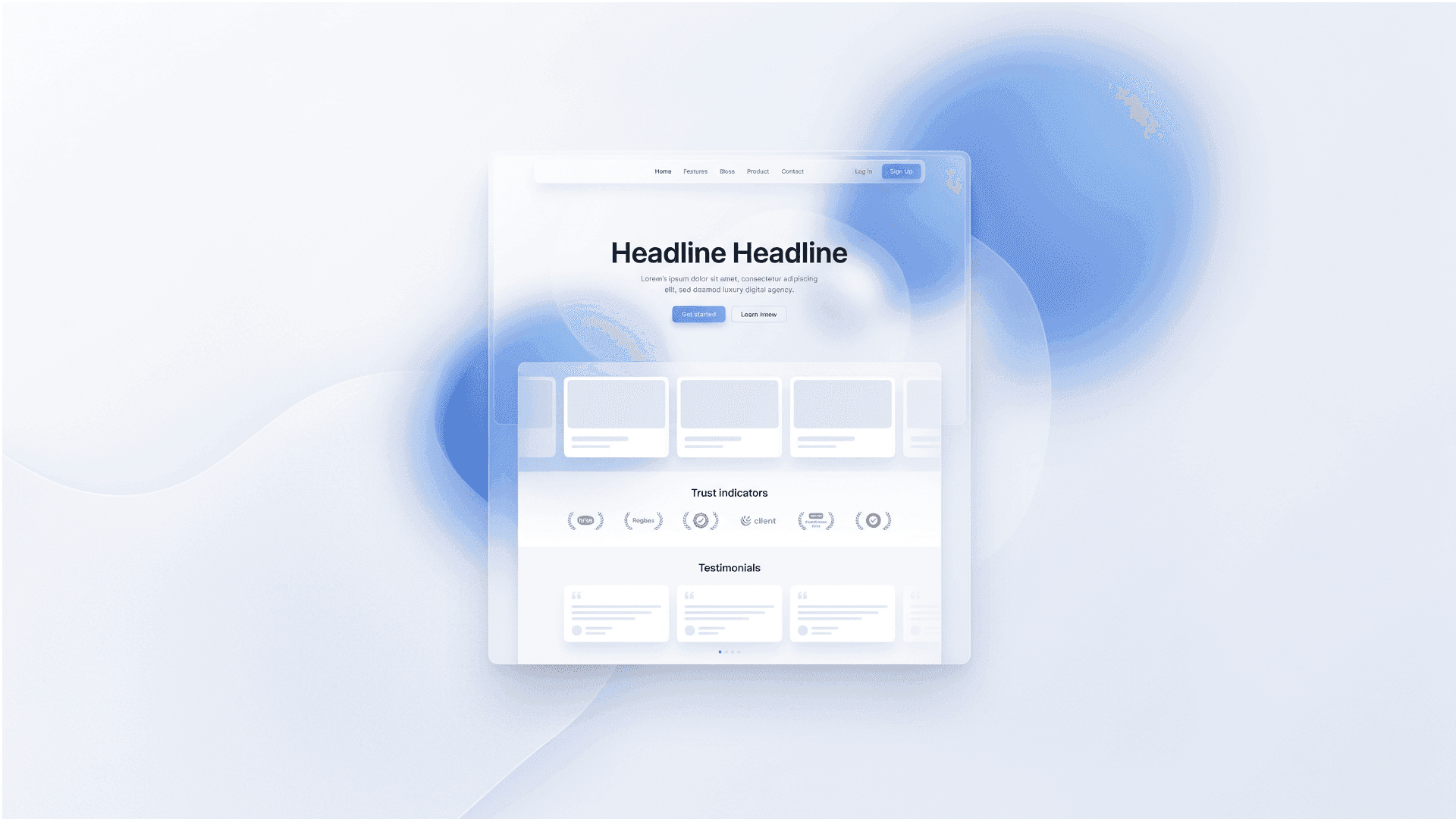
Create a Clear Homepage Headline
Your headline is your homepage’s first handshake. It’s what people read before they even notice your logo. A great headline doesn’t try to be clever; it’s clear. It says exactly what you do and why it matters, in language that feels human.
Think of it as the hook. If your headline makes someone nod and think “yep, this is what I need,” you’ve won half the battle. It’s one of those essential homepage elements that decides whether visitors scroll down or leave.
You don’t need buzzwords. You need clarity, confidence, and maybe a bit of personality. “We build websites that actually sell” hits harder than “We offer end-to-end digital solutions.” Keep it real, and keep it quick.
The Sub headline: Where You Seal the Deal
If the headline is the spark, the sub headline is the conversation. This is where you explain what you do in slightly more detail, just enough to make people curious. It’s your second chance to connect, so use it wisely.
A strong subheadline clarifies your value without sounding salesy. It shows how you solve a problem, how you make life easier, or how you deliver results. It’s one of the homepage elements that attract customers because it translates curiosity into interest.
Think of it as your short elevator pitch, but cooler. Simple, direct, and written for humans, not algorithms.
Use High-Quality Visuals on Your Homepage
Before anyone reads a word, they feel your visuals. The way your homepage looks communicates just as much as the copy does, sometimes more. Clean, confident, and on-brand design builds trust instantly. That’s why visuals are among the important homepage elements you can’t afford to overlook.
Your images, color palette, and layout should make visitors feel something. They should reflect your brand’s personality, not stock-photo energy. Whether it’s bold and vibrant or minimalist and calm, your visuals should make users think, “Yep, this brand gets it.”
And please, keep it uncluttered. A homepage isn’t a scrapbook; it’s a statement. Give your visuals space to breathe.
Add Strong Call-to-Action Buttons
A gorgeous homepage without a clear call to action is like a store without a door. The most essential homepage elements include calls to action that tell visitors exactly what to do next and make them want to do it.
“Book a Call,” “Get a Quote,” or “Start Free” are fine, but the real magic happens when your CTAs sound like your brand. Maybe it’s “Let’s Build Something Great” or “Show Me the Magic.” The key is to make it feel personal, not robotic.
CTAs should stand out, not hide in a sea of text. And yes, you can sprinkle them throughout your homepage. People scroll in different ways, so give them multiple chances to take action.
Copy That Sounds Like a Human Wrote It
Copy is the soul of your homepage. It’s not about saying everything you do; it’s about saying the right things in a way people actually enjoy reading. The best homepage copy balances confidence with approachability. It feels like someone is talking to you, not at you.
This is one of the homepage elements that attract customers because it builds trust. Visitors think, “Finally, someone who doesn’t sound like a robot.” Keep sentences short. Use real language. Tell them what’s in it for them.
And remember: personality sells. Don’t be afraid to sound like you. If you’re witty, show it. If you’re bold, own it. The goal isn’t to impress everyone, it’s to attract the right ones.
Social Proof: The Confidence Builder
People believe people. Testimonials, reviews, and client logos are quiet power moves that make your homepage feel credible. Social proof is one of those important homepage elements that tells visitors, “You can trust us. Other people already do.”
Whether it’s a five-star rating, a short testimonial, or a recognizable client, social proof builds emotional reassurance. It says you deliver on your promises. It’s proof that you’re not just talking the talk, you’ve walked it.
Use it wisely. Keep testimonials short, make them real, and put them where new visitors will actually see them.
Make Homepage Navigation Simple
A confusing homepage is like a bad first date. You might look good, but if people can’t find what they’re looking for, they won’t stick around. That’s why simple navigation is one of the best homepage elements for businesses that want conversions.
Your homepage should feel like a clear path, not a maze. Use short, intuitive menu labels. Group related pages logically. And keep everything visible across devices. Visitors shouldn’t have to hunt for your contact button or scroll endlessly to find what you do.
Good navigation isn’t flashy, it’s invisible. When it works well, users glide through your site without realizing how easy you’ve made it for them.
Product or Service Details That Make People Say “Yes”
Once visitors like what they see, they’ll want to know exactly what you offer. This is where your products or services step into the spotlight. Give them clarity, not clutter.
Describe what you do and how it helps in clean, simple terms. You don’t need to list every feature, just enough to make people feel informed and confident. These sections are among the essential homepage elements because they help users make a decision fast.
Include short blurbs, visuals, and maybe a few key stats. Make it easy for people to get the point in seconds. Your homepage isn’t the whole story, it’s the trailer that makes them want to watch the full movie.
Design That Converts: The Real Secret
The secret behind all these important homepage elements isn’t that they look pretty. It’s that they work together. Design, copy, and structure are the holy trinity of conversion. Each element should guide users toward one thing: action.
That action could be a sign-up, a purchase, or a simple “let’s talk.” The goal is to create a flow that feels natural. Visitors shouldn’t have to guess what to do next, they should just feel it.
And yes, your homepage should evolve. Review your analytics. See where users drop off. Refine, adjust, and keep improving. A great homepage isn’t static, it grows with your brand.
Final Thoughts on the Best Homepage Elements for Businesses
A homepage is more than your website’s front page. It’s your brand’s first impression, your best salesperson, and your hardest-working marketing asset. When you get these important homepage elements right – the headline, visuals, copy, CTAs, navigation, and proof, you don’t just attract attention. You keep it.
These are the best homepage elements for businesses because they make visitors feel understood, not sold to. They turn curiosity into clicks, clicks into conversations, and conversations into conversions.
At Coala Studio, that’s exactly what we build: homepages that work hard and look even better. No fluff, no guesswork, just design that connects and converts.
So, if you’re ready to turn your homepage into a place people actually want to hang out, start here. Because the best kind of design doesn’t just look good. It performs.
Frequently Asked Questions
What should every homepage include?
A homepage should include a clear headline, engaging visuals, simple navigation, strong calls to action, social proof, and concise information about your products or services.
Why are homepage elements important?
Homepage elements create a positive first impression, improve user experience, and guide visitors toward taking action, such as contacting your business or making a purchase.
How can I improve my homepage?
Focus on clear messaging, fast loading speed, mobile responsiveness, easy navigation, compelling CTAs, and trust-building content such as testimonials and case studies.
What is the most important homepage element?
The headline is often the most important element because it immediately communicates what your business offers and why visitors should stay.