In today’s digital economy, every business wants to move faster, scale smarter, and create seamless customer experiences across every touchpoint. But the truth is, most aren’t built for it. Legacy systems, siloed tools, and patchwork integrations slow them down. That’s where digital platform development steps in – the strategy that unifies technology, data, and design into one high-performing ecosystem that actually drives results.
According to Gartner, only 48% of digital initiatives meet their intended business goals. When you look closer, the difference between the ones that succeed and the ones that stall often comes down to one thing: how well they’ve approached modern digital infrastructure.
Let’s break down what it really means to build a platform that lasts, one that connects your brand, customers, and business goals in a way that keeps compounding value over time.
Why Digital Platform Development Matters
Modern businesses no longer compete only on products or pricing—they compete on digital experiences. Customers expect seamless interactions across websites, mobile apps, customer portals, and support channels. Meanwhile, internal teams need systems that share information instantly instead of relying on disconnected software.
This is where digital platform development becomes essential. Rather than managing separate tools for marketing, sales, operations, and customer service, organizations can build one connected ecosystem that improves efficiency, reduces costs, and creates better customer experiences.
Businesses investing in scalable platforms are also better prepared for future technologies such as artificial intelligence, automation, predictive analytics, and personalized customer journeys. Instead of rebuilding systems every few years, they can expand and adapt with minimal disruption.
Whether you’re a growing startup or a large enterprise, the right platform creates a strong foundation for sustainable digital transformation. A successful platform gives your business the flexibility to adapt, the scalability to grow, and the reliability to perform across any environment.
It’s what turns scattered tools into a connected ecosystem. Whether you’re a startup scaling your first product or an enterprise managing hundreds of microservices, investing in digital ecosystem ensures your business can evolve without breaking.
What Is a Digital Platform?
At its core, a digital platform is an open, adaptable technology foundation that enables smooth interactions between producers and consumers or, in simpler terms, between your business and your audience.
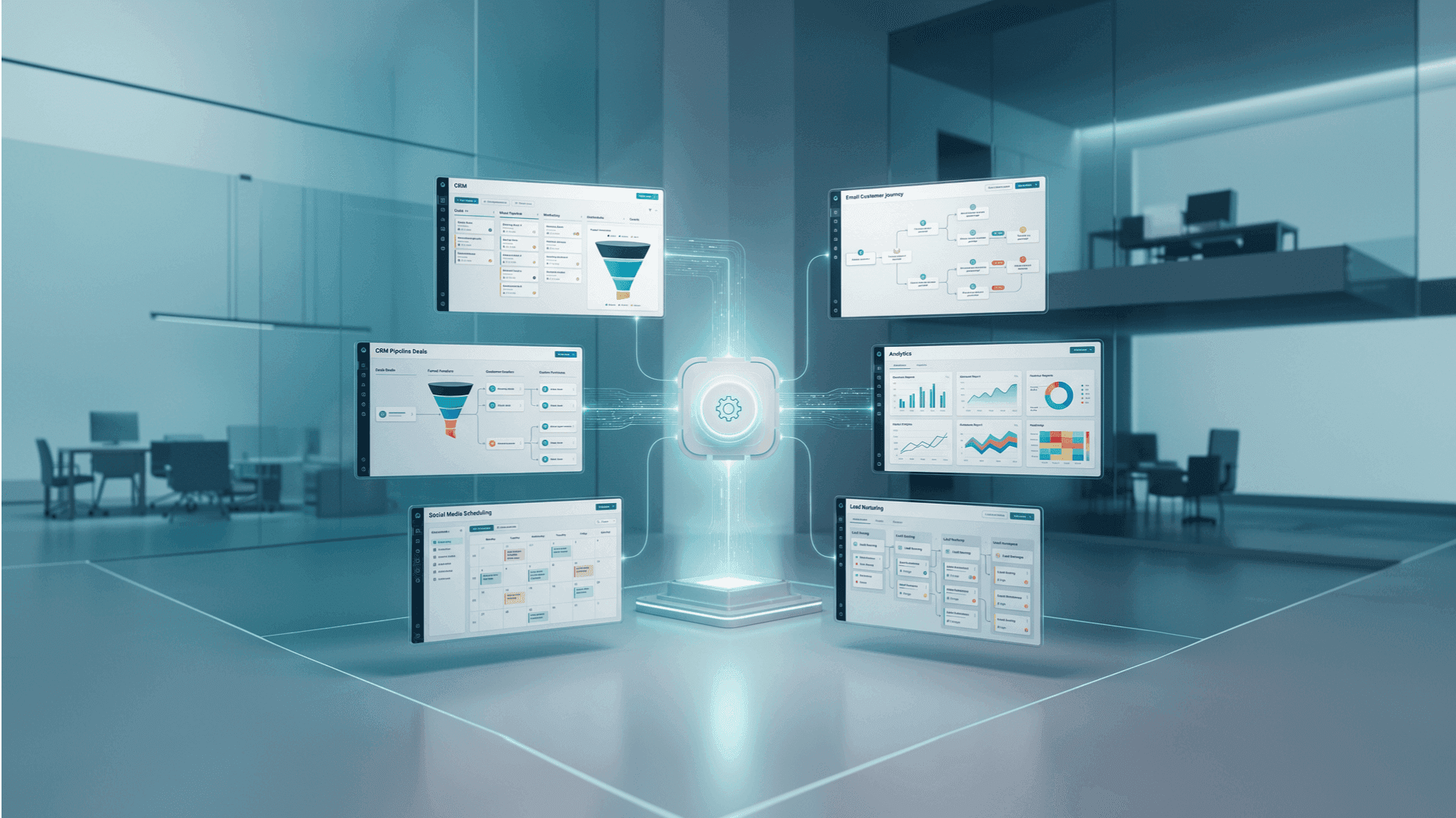
In digital platform, this means building infrastructure that allows apps, websites, and third-party tools to communicate effortlessly. Think of it like creating digital “plumbing” – APIs, integrations, and data layers that connect everything you use, from your CRM and content systems to your e-commerce and analytics tools.
The value lies in the interaction. Instead of relying on static systems that operate in silos, a platform lets you plug in new features, scale instantly, and deliver personalized experiences without rebuilding from scratch.
Core Components of a Successful Digital Platform
Not all platforms are created equal. The best ones that become true growth engines share six core traits that define strong business platform development:
Flexibility and Scalability
A good platform bends without breaking. It grows with your business and integrates new technologies effortlessly. As your customer base expands, scalability ensures performance remains rock-solid, whether you’re handling 10 users or 10 million.
Composable Architecture
Modern platform architecture thrives on composability. This means breaking your system into independent modules that can be updated or replaced without disrupting everything else. It’s the difference between painting over cracks and actually rebuilding the foundation.
Cloud Infrastructure
A cloud-based architecture keeps things lean, resilient, and globally available. It gives your platform the power to scale dynamically, spinning up new capacity automatically when traffic spikes, or reducing costs when it doesn’t.
Integration and Interoperability
APIs are the backbone of any scalable digital platform. They allow your business tools, data systems, and third-party services to speak the same language, reducing manual work and human error.
Security and Compliance
No platform is truly digital-first if it’s not secure-first. Embedding compliance and security controls into your platform architecture builds trust, reduces risk, and keeps customer data protected.
Inclusivity and Accessibility
In the new era of design-led digital platform development, accessibility isn’t optional. It’s about building experiences that are usable by everyone, regardless of ability, ensuring compliance, brand goodwill, and better user engagement.
How Digital Platforms Create Value
At the heart of digital platform is value creation. The goal isn’t just to build software; it’s to build an engine that continuously compounds value over time.
Connecting Buyers and Sellers
Platforms create new marketplaces, connecting people, products, and opportunities faster than ever. From Uber to Shopify, these ecosystems thrive on interaction and convenience.
Dynamic Pricing and Personalization
Using data, automation, and AI, platforms can tailor experiences in real time. Scalable platform turns static systems into smart ones, adjusting content, pricing, and offers based on behavior, location, or demand.
Trust and Transparency
As transactions move online, platforms must build trust. Features like secure payments, verified profiles, and transparent reviews aren’t just nice-to-haves, they’re central to sustainable platform development.
Why Build a Platform in the First Place
For modern businesses, digital platform is about long-term agility. Instead of rebuilding every time a new channel or technology emerges, a solid platform lets you plug new components into the same foundation.
Here’s what that unlocks:
- Flexibility: Easily integrate new tech or tools as trends evolve.
- Reusability: Reuse core capabilities like authentication, checkout, or analytics across multiple products.
- Performance: Speed up development cycles and improve reliability.
- Innovation: Build faster, experiment more, and evolve continuously.
At Coala Studio, we’ve seen it firsthand. Whether for a fast-scaling retailer or an enterprise brand, a unified approach to digital platform development cuts inefficiencies, accelerates launches, and opens up entirely new ways to engage customers.
Who Should Consider Digital Platform Development
Not every business needs a massive custom platform right away but if you’re dealing with complexity, it’s time to think about it seriously.
Digital platform development makes the biggest impact for:
- Companies running multiple products or brands that need to share data or features.
- Businesses managing omnichannel experiences. from web to app to in-store.
- Enterprises ready to modernize outdated tech stacks and unify data systems.
Whether you’re an e-commerce company managing 10K SKUs or a SaaS business scaling across regions, the right technology platform development strategy turns fragmentation into focus.
How to Build a Digital Platform That Lasts
You can’t rush a platform. It takes clarity, iteration, and cross-functional collaboration. Here’s the Coala way to do it:
Strategy → Design → Test → Iterate
That’s the loop we live by. Every digital platform development project starts with strategy, identifying what the business actually needs and which problems are worth solving.
Then comes design: mapping the architecture, defining capabilities, and shaping the user experience.
Next, we test – real environments, real data, real users. Finally, we iterate. The best platforms never stop evolving; they just keep getting sharper with every cycle.
Our philosophy? Think big, execute small, and release often.
Key Pillars of Digital Platform Development
Start with Why
Don’t just build a platform because it’s trendy. Define its purpose, KPIs, and how it will add measurable value. Every capability should serve a business goal.
Build for Adoption
A platform’s worth is measured by how many people use it, internally and externally. Treat your platform like a product, with UX, feedback loops, and enablement baked in.
Reusability at the Core
Modular architecture is the secret weapon of digital platform development. When your systems are built in blocks, teams can innovate independently without breaking shared foundations.
Data and AI Integration
Every modern platform should treat data as a product. Smart analytics and AI-driven insights amplify ROI and uncover new growth opportunities.
Governance and Culture
Technology is only half the story. Successful digital platform development requires alignment between teams, leadership, and processes. It’s as much about culture as it is about code.
Measuring Success
A great platform pays for itself, in efficiency, speed, and scalability.
Here’s what success in digital platform development looks like:
- Time saved: Automated workflows replace repetitive manual work.
- Revenue impact: Faster checkouts, better personalization, higher conversions.
- Developer experience: Teams build faster, with fewer blockers.
- Customer experience: Faster load times, smoother journeys, happier users.
Every improvement compounds. The more your platform evolves, the more value it creates.
Common Pitfalls to Avoid
Even the best digital platform development projects can fail if they fall into these traps:
- Over-engineering: Don’t build for every possible future; build for your next 12–18 months.
- Lack of ownership: Platforms need a clear product owner, not a committee.
- Ignoring adoption: If teams don’t use it, it’s not a platform, it’s shelfware.
- Neglecting security: Every connection, API, and automation must be protected by design.
At Coala Studio, we say it all the time: technology doesn’t fail, alignment does. The best platforms are guided by clear intent and built by teams who care about outcomes, not just output.
The Future of Digital Platform Development
The next wave of digital platform development is composable, intelligent, and human-centric.
We’re seeing a shift toward:
- Headless architecture: Separating front-end from back-end for ultimate design freedom.
- AI-driven automation: Using machine learning to optimize everything from routing to personalization.
- Sustainable scaling: Cloud-native, secure, and cost-optimized operations.
- Cross-platform synergy: Seamless experiences across web, app, and emerging channels.Businesses that master this balance between design, data, and technology won’t just keep up — they’ll lead.
Final Thoughts
Building a platform isn’t about technology; it’s about transformation. Digital platform development is the new foundation for growth, a strategic investment that powers every customer interaction, every data insight, and every innovation your brand creates.
Coala Studio helps organizations create secure, cloud-ready digital platforms that improve customer experience, automate operations, and support long-term business growth. Whether you’re modernizing legacy systems or launching a new digital product, our team can help you create a platform built for the future.
Contact Coala Studio today to discuss your digital platform strategy.