/Sports marketing guide / Hockey
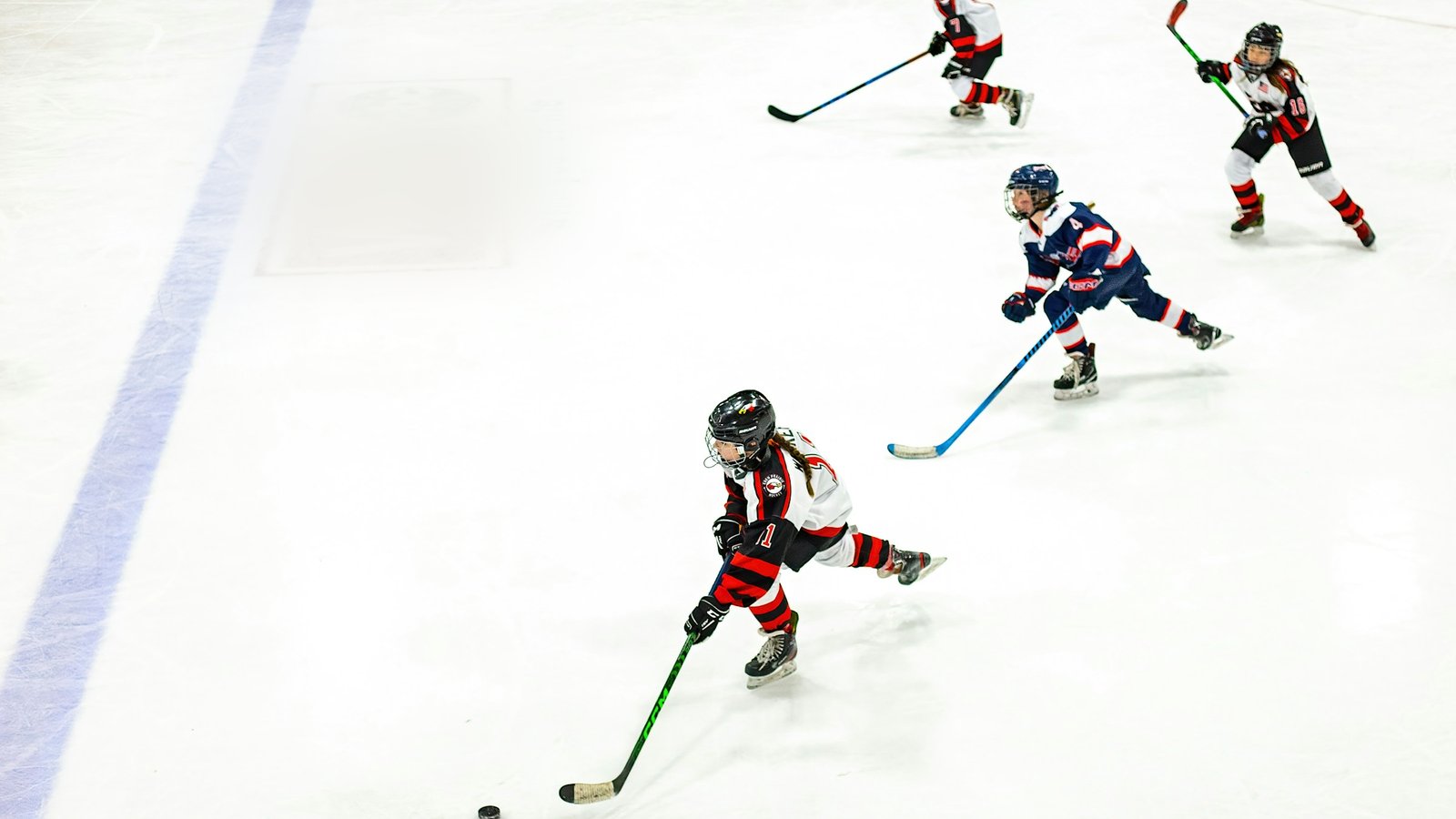
To fill a spring hockey program, start marketing in January, while families are still deep in the winter season. Collect interest first, run ID skates in February and March, and sell what the player gets out of spring: development, games and being seen. By April, the families who were going to sign up already have.
I think a spring program should sell what the player gets seen by and gets better at, not the ice hours.
In Western Canada, the alternate season runs from April 1 to July 15. Hockey Manitoba, BC Hockey, Hockey Alberta and Hockey Saskatchewan set those dates when they standardized spring programming in 2016. Many independent spring programs, like the BCSHL programs run by BCHL teams, play from mid April to the end of June.
That puts your selling window in the middle of the winter season. Minor hockey in Kelowna, for example, runs from September to March. So the families you want are at the rink four times a week with another team, thinking about playoffs, not about May.
What that means for your calendar:
| When | What to do |
|---|---|
| Early January | Open an interest list and post your spring dates |
| Late January | Announce ID skate or tryout dates |
| February to March | Run ID skates and make offers |
| March | Final call, then waitlist |
| April to June | Film everything for next year |
/Sources: April 1 to July 15 · mid April to the end of June · September to March
They pay for development and exposure. A spring program is a big extra cost on top of a winter season, so parents want to know exactly what their player gets. Show the hours, the games, the coaches and who'll be watching, in that order of importance to them, not yours.
Look at how the BCSHL programs describe themselves. The Langley Rivermen program lists 22 hours on ice, 22 hours of dryland and 12 full-length games, including showcase weekends, at $2,750 plus GST. Every one of those lines answers a parent's question before they ask it.
The cost matters too. Canadian families already pay a median $1,938 a year for hockey, according to the 2026 Jumpstart youth sport report. I've said before that hockey has priced itself out of a lot of Canadian families. Spring programs have to earn their place on top of that, so the value has to be obvious on the page.
/Sources: 22 hours on ice ... $2,750 plus GST · median $1,938
Build a page that answers every parent question, collect interest in January, then use reels from the winter and last spring to sell the ID skate. Follow up with every family that registers interest within a day. Most spring programs don't lose families to a rival. They lose them to silence.
The plan I'd run:
Parents of players in the birth years you're running, within a sensible drive of your rink. Most of them follow their kids' team pages and local hockey accounts, so retarget anyone who watched your reels or visited the spring page. Keep the message about the player's next step, not about your facility.
Good targeting signals:
Game footage and training footage, every time. Parents want to see the level of play, the coaching and the kids having a good time. Post clips from last spring's games and showcases, a coach breaking down one skill, and short interviews with players about what changed for them.
I've said it before: the number one thing clubs don't do is post their game and training footage. Even 100 kids under 14 is an audience, because their parents watch and share everything. A spring program is the easiest place to start, because it's short, intense and full of moments worth filming.
What to film this spring, for next year:

It feeds it. A spring program is often a family's first experience of your coaching, so treat every spring player as a lead for your fall academy or summer camp. Ask for permission to stay in touch, and send them your next intake dates before June ends.
That's the point I keep coming back to: don't sell leads one season at a time. Own the intake calendar. Spring, summer camp and fall tryouts are three windows in one year, and the same family can move through all three. Hockey Canada says retention for players aged 5 to 16 was above 90% in 2024-25, so families who stay in the game are worth planning for over years, not weeks.
/Sources: retention above 90%
Everything a parent needs to say yes without calling you. That's dates, birth years, cost and what's included, coaches, showcase dates, the ID skate details, the refund policy and a short FAQ. Put the register button at the top and the bottom.
A checklist for the page:
/Keep reading
More guides for club, academy and facility owners.
