Categories
Sports Marketing

Spring Soccer Registration: How to Fill Your Club Before the Deadline

/Sports marketing guide / Soccer

Spring Soccer Registration: How to Fill Your Club Before the Deadline
By Rounak SardesaiLast updated November 20264 min read
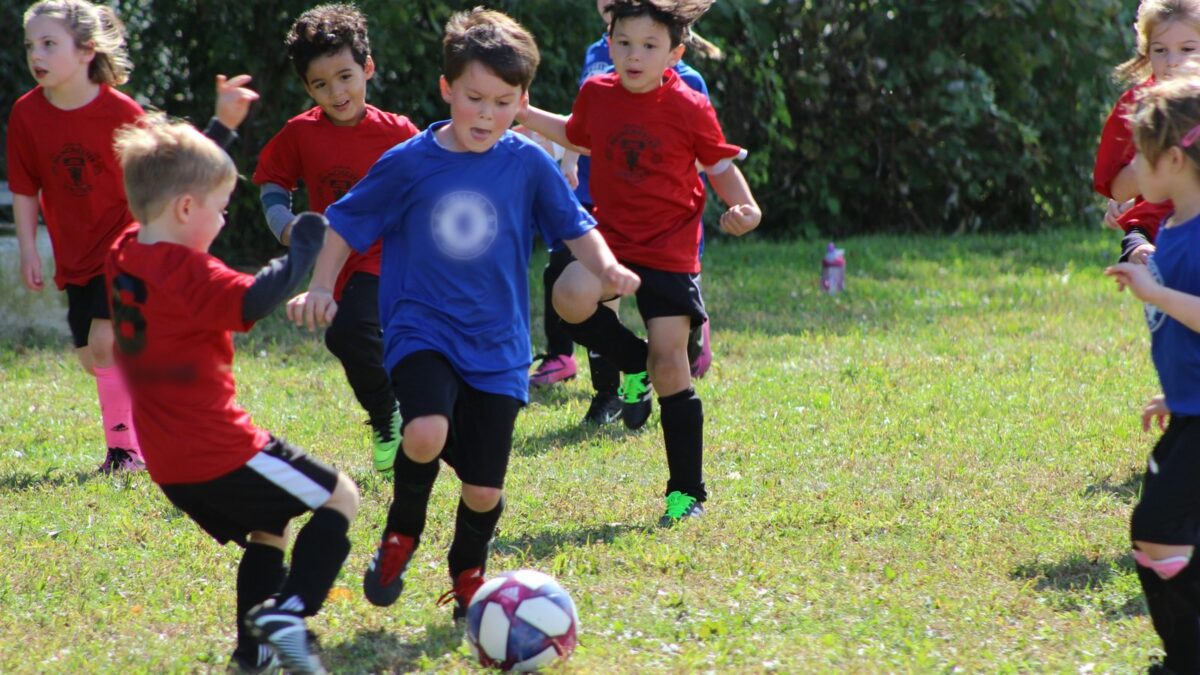
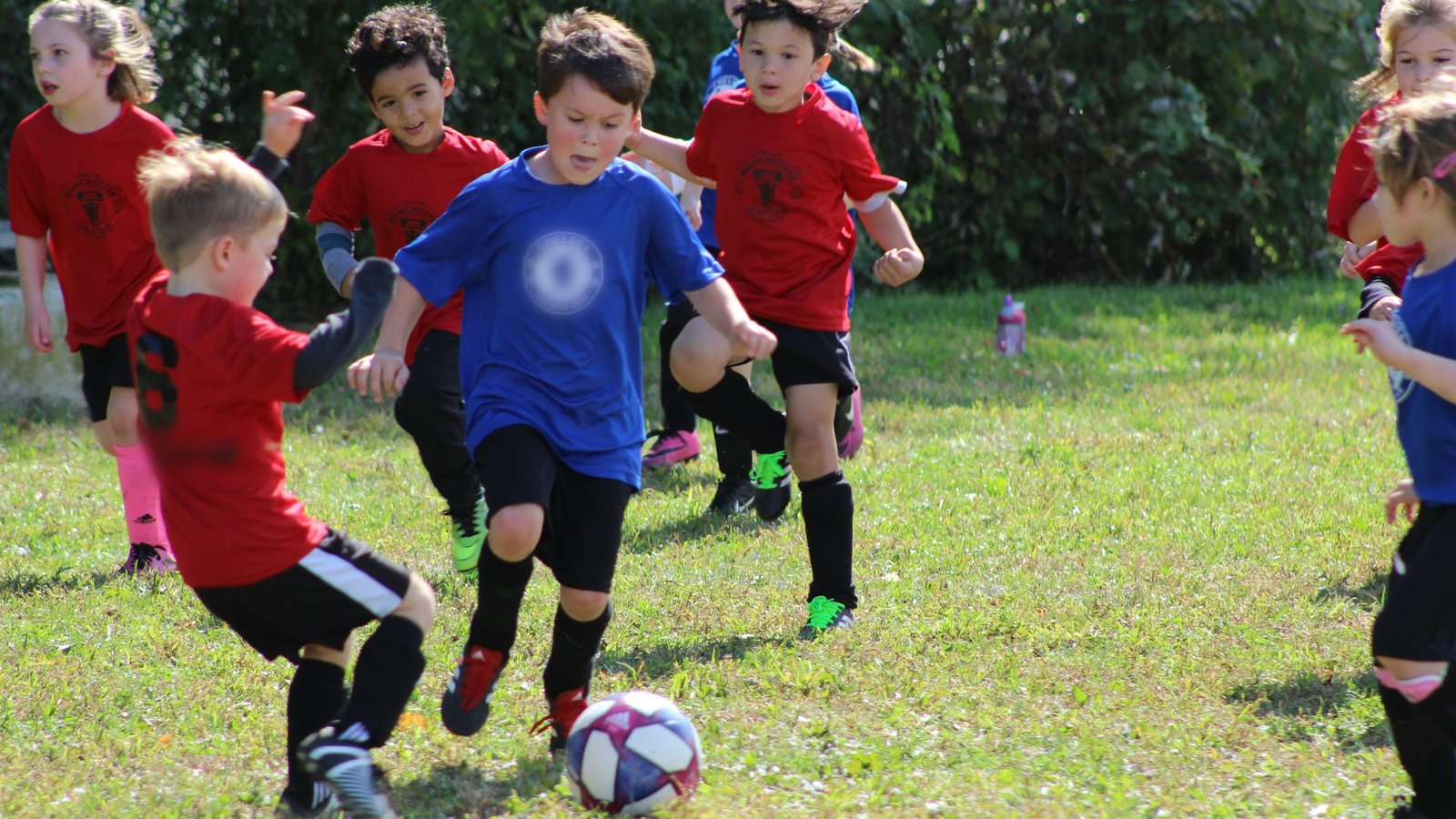
Young kids playing youth soccer on a sunny spring day
Soccer
The short answer

To fill spring soccer registration, open it in December, set a clear early-bird deadline, and make the registration page easy for a family who has never played with you. Then remind returning families before the deadline, run local ads to new parents in January and February, and answer every question the same day.

Rounak's take

I think the deadline does more work than the discount. Families need a date to act on.

01

When does spring soccer registration open?

For many clubs, in December. Surrey United in BC, for example, ran its 2026 spring early bird from December 1 to 31, with a registration deadline of March 1 and a season from April to June. If your registration opens in March, the families who plan ahead have already signed up somewhere else.

Fall soccer runs on a similar lead time. In Minnesota, for example, Hopkins-Minnetonka's fall youth soccer registration closed on July 12, 2025, with practices starting the week of August 18. Families decide about two months ahead.

A spring timeline that works:

WhenWhat to do
Late NovemberTell returning families the dates and early-bird deadline
December 1 to 31Early-bird registration
January to FebruaryAds to new families, reels, "spots left" by age group
By March 1Registration closes. Waitlist after that
April to JuneSeason. Film games and training for next year

/Sources: Surrey United · Hopkins-Minnetonka

02

Why is youth soccer registration growing?

Because it's the sport a lot of families can afford. The 2026 Jumpstart youth sport report put the median cost of soccer at $450 a year in Canada, against $1,938 for hockey, and found 50% of kids playing soccer compared with 22% in hockey. I think soccer wins the families hockey priced out.

That doesn't mean the families come to you on their own. In the US, the Aspen Institute found regular soccer participation among kids aged 6 to 12 fell 3% from 2019 to 2024, while flag football closed the gap. Families have choices. The club that's easiest to join wins.

/Sources: $450 ... $1,938 ... 50% ... 22% · fell 3%

03

Do early-bird discounts work for spring soccer?

The deadline works more than the discount does. A family needs a reason to register now instead of "sometime before spring." A clear early-bird date gives them one. Keep the offer simple, say the date everywhere, and send a reminder a few days before it ends.

How I'd run the early bird:

  1. One date, everywhere. On the page, in every email, in every post: "Early bird ends December 31."
  2. A reminder 7 days before and another 2 days before.
  3. A clear "after" price. Families should see what it costs after the deadline.
  4. No extensions. If you extend it once, nobody believes the next one.
04

What should a soccer registration page include?

Everything a new family needs to register without emailing you: age groups by birth year, season dates, practice nights and locations, game days, price and what it covers, uniform details, the refund policy and who coaches. Put the register button at the top and the bottom.

I'd bet a lot of club registration pages are written for families who already know the club. A new parent wants to know three things fast: which group my kid is in, which nights, and how much. Answer those in the first screen.

A checklist:

Checklist
  • Age groups with birth years
  • Season dates
  • Practice nights, times and fields
  • Game days and how far teams travel
  • Price, early-bird price and deadline
  • What's included (uniform, ball, insurance)
  • Refund and withdrawal policy
  • Coaches or how coaches are chosen
  • A 30-second reel of last season
  • Register button at the top and bottom
Parent and young child kicking a soccer ball at the park
/Parent and young child kicking a soccer ball at the park
05

How do you get new families to register for spring soccer?

Ask your current families to bring a friend, then run local ads to parents of the right ages in January and February, using real footage from your games and training. Send everyone to one page per age group or program. Then follow up the same day.

What works:

  • Referrals from current families. A simple "bring a friend" message before the early bird ends.
  • Local ads to parents within driving distance of your fields. Facebook is used by 80% of adults aged 30 to 49 in the US, according to Pew Research. That's the age of a lot of soccer parents.
  • Game and training footage. I've said it before: the number one thing clubs don't do is post it. Parents watch and share their kids' clips, and new parents see what the club is like.
  • Same-day follow-up. Leads come in and nobody follows up. That's usually the leak, not the ad budget.

/Sources: 80% of US adults aged 30 to 49

06

Who should you target with spring soccer ads?

Parents of kids in your age groups who live near your fields. Start with families who already know you, then widen. Spring soccer is a local decision, so a tight radius and the field names in the ad do more than a clever line.

Good targeting signals:

  • Current and past families, and their friends through a referral message.
  • People who visited your registration page or watched your reels in the last 60 days.
  • Parents within a short drive of your fields.
  • Families from your camps and clinics.

Say the age groups, the season dates and the early-bird deadline in the ad itself.

07

Should a club cap age groups or run a waitlist?

If your fields or coaches limit how many teams you can run, yes. Publish the number of spots per age group, update it when groups fill, and open a waitlist the moment one does. "Spots left" is honest, and it gives families a real reason to register before the deadline.

A waitlist is also a lead list. When a spot opens, or when you add a team, those families hear first.

08

How do you keep spring players for the fall?

Ask before the spring season ends. Tell families your fall dates, tryout or registration dates and early-bird deadline in May, while their kid is still loving it. A family that's already with you is the easiest registration you'll get all year.

That's what owning the intake calendar means. Spring, fall and any summer camp are separate windows, and the same family can move through all of them with you if you plan them together.

FAQ

Questions people ask

When does spring soccer registration open?
Many clubs open in December. Surrey United, for example, ran its 2026 spring early bird from December 1 to 31, closed registration on March 1 and played from April to June.
How do soccer clubs get more registrations?
Open early, set a clear early-bird deadline, build a registration page a new family can understand in one screen, ask current families to refer friends, run local ads with real footage and follow up the same day.
Do early-bird discounts work for youth soccer?
The deadline matters more than the size of the discount. Use one clear date everywhere, remind families before it ends and never extend it.
How much does youth soccer cost in Canada?
The 2026 Jumpstart youth sport report put the median at $450 a year for soccer, compared with $1,938 for hockey.

Filling registration for your club or academy?

Categories
Sports Marketing

How to Get Sponsors for a Youth Sports Club (What Sponsors Actually Want)

Sports marketing guide · Sponsorship
The short answer

To get sponsors for a youth sports club, sell them visibility in the community they want to reach, not your results on the field. Build an audience with game and training footage, package that audience into a clear offer, and report back to the sponsor with real numbers.

I think most clubs price sponsorship on hope. The ones that get renewed price it on audience.

What do sponsors actually want from a youth sports club?

Visibility in the communities they operate in. A local dentist, physio or car dealer sponsoring a club isn't buying your league standings. They're buying attention from local families. So the question to ask is simple: what value is the club giving a business that's willing to sponsor it? If the answer is a logo on a shirt and nothing else, that's a hard sell.

The biggest deals work the same way. When Wrexham AFC named Royal Bank of Canada its back-of-kit sponsor and official bank partner for 2026-27, the release talked about community, the club's rise and its global profile. Wrexham's audience is a big part of what a sponsor gets. At your scale, the audience is the parents.

Why do most clubs struggle to find sponsors?

Because they have nothing to show a sponsor except the name of the club. No audience numbers, no content, no plan for how the sponsor's name gets seen. The number one thing I see clubs not doing is posting game footage and training footage. That footage is what builds the audience a sponsor pays for.

Families spend real money on youth sports, which is why local businesses want to be in front of them. The Aspen Institute's Project Play survey of 1,848 parents found US families spent an average of $1,016 on a child's primary sport in 2024, up 46% from 2019. Those families are exactly who a local business wants to reach.

How do you build an audience sponsors will pay for?

Post game and training footage every week, and tag the families. Even if it's a hundred kids under 14, put their footage out there, because their parents are interested and their parents will share it. That's how a club with no budget builds a local audience in one season.

A simple weekly plan:

  1. Game day: two or three highlights, posted the same day.
  2. Midweek: one training clip with a coach explaining the drill.
  3. Player spotlight: one short story a family will share.
  4. Community post: a camp, a fundraiser, a volunteer, a thank-you.

Watermark every clip with your sponsors' logos. When a sponsor signs, their name is already showing up in the feed parents watch.

Hands holding a phone to film a game on an outdoor basketball court

What should a youth sports sponsorship package include?

Give each package a clear audience, a clear set of placements and a clear report. A sponsor should know exactly where their name appears, roughly how many local people will see it, and what you'll send them at the end of the season. Three tiers is plenty.

TierWhat the sponsor getsBest for
CommunityLogo on the website and in monthly posts, a thank-you post each seasonSmall local shops
ContentLogo watermark on weekly game and training clips, one sponsored series (for example "Player of the week")Businesses that want families' attention
HeadlineShirt or naming rights, the content tier, an event or camp named for them, a season reportThe one partner you most want to keep

For a sense of what naming rights can be worth, the City of Leduc in Alberta sold naming rights to its 12-court pickleball facility to a local physiotherapy business for $60,000 over five years. That's a municipal facility, not a club, but it shows a local health business will pay for a name that families see every week.

How do you make the sponsor win even when the team loses?

Build the deal on content, not results. A sponsor whose name sits on every highlight clip, player story and camp video gets seen whether the team wins the league or finishes last. That's the question to ask before every pitch: how does my sponsor win whether or not we win?

I think that's the most underused idea in grassroots sport. Results are out of your control. Your content isn't.

When should a club pitch sponsors?

Two to three months before the season they're paying for. For spring and summer programs, that means January to March. For fall, pitch in June and July. Businesses set their budgets, and the club that shows up with an audience and a plan gets the yes before the club that shows up with a jersey mock-up.

Before each pitch, have three things ready:

  1. Your audience numbers: followers, views on your best clips, families reached by email.
  2. Two examples of content their name would appear on.
  3. A one-page package with tiers and what each includes.

How do you keep sponsors coming back?

Report to them like a client. At the end of the season, send a one-page report with where their name appeared, how many views those posts got, and a thank-you clip from the players. Then ask for the renewal in the same conversation. A sponsor who can see what they got is far easier to keep than one who has to guess.

Sources
Coala Studio · Sports marketing

Want help building the audience sponsors pay for?

We're a sports marketing agency that fills tryouts, camps and memberships around each club's season. On a 30-minute call we'll look at your next window and tell you what we'd build first. If it's something you can do yourselves, we'll say so.

30-minute call · free
Map my next season
Questions

Questions, answered

How do I get sponsors for my youth sports club?

Sell visibility in your community, not results. Build an audience with weekly game and training footage, offer clear sponsorship tiers, and report back to sponsors with real numbers at the end of the season.

What do businesses want from sponsoring a youth sports team?

Visibility with local families. They want their name seen by the people in the communities they operate in, so audience and content matter more than wins.

What should a youth sports sponsorship package include?

Clear placements (shirts, website, social clips, events), an idea of how many local people will see them, and an end-of-season report. Three tiers is plenty.

When should a youth sports club look for sponsors?

Two to three months before the season. For spring and summer programs that means January to March.

Categories
Sports Marketing

How to Market a Soccer Academy (and Fill Every Season)

Sports marketing guide · Soccer
The short answer

To market a soccer academy, plan around your registration windows, post match and training footage every week, give each program its own page, and follow up every parent the same day. Soccer is the most played youth sport in Canada, so the families are there. You win by being the academy they've been watching when registration opens.

I think soccer academies are about to win a lot of families hockey has priced out. The ones that market like it will take them.

Is soccer academy marketing worth it right now?

Yes. Soccer has the biggest youth audience in Canada and one of the lowest costs for families. The 2026 Jumpstart youth sport report found 50% of Canadian kids in organized sport play soccer, against 22% for hockey. The median annual cost was $450 for soccer and $1,938 for hockey.

That gap matters. Families are watching their budgets, and soccer is the easy yes. In BC, membership in provincial sport organizations grew from nearly 600,000 in 2020 to 718,000 in 2025, according to the provincial government.

The US is less simple. The Aspen Institute's State of Play 2025 report says regular soccer participation among kids 6 to 12 fell 3% between 2019 and 2024, while flag football closed the gap. So in the US, you're competing harder for each family.

When should a soccer academy market each season?

Start each campaign 6 to 10 weeks before registration opens, and treat the early bird as your launch. For more tips, see our guide to spring soccer registration. Most northern clubs run a spring season, a summer camp season and a fall season, with winter futsal or indoor training in between. Each one needs its own campaign.

Here's a real example. Surrey United's 2026 spring season ran an early bird from 1 to 31 December 2025, with a 1 March deadline and play from April to June. In Minnesota, the Hopkins-Minnetonka fall league closed registration on 12 July 2025 and started practices the week of 18 August. Fall registration is a summer job.

SeasonRegistration window (typical)Start the campaign
Spring (Apr to Jun)Dec to MarLate October
Summer campsJan to MayNovember
Fall (Sep to Nov)Apr to JulFebruary
Winter futsal or indoorSep to NovJuly

Your dates will differ. For the full month-by-month view across sports, see our youth sports registration calendar.

What content should a soccer academy post?

Match and training footage, every week. It's the number one thing I see clubs and academies not doing. Even if it's a hundred kids under 14, put their footage out there, because their parents are interested and their parents will share it. That's free reach into exactly the families you want.

Build a weekly rhythm:

  1. Match day: two or three goals or saves, posted the same day.
  2. Midweek: one drill from training, 20 to 30 seconds.
  3. Coach clip: one tip a parent can use in the backyard.
  4. Player spotlight: a short story about one player's progress.
  5. Program post: what's open now, the date and the link.

Tag families when you can and keep sponsors' logos visible. That footage is also what you show a sponsor.

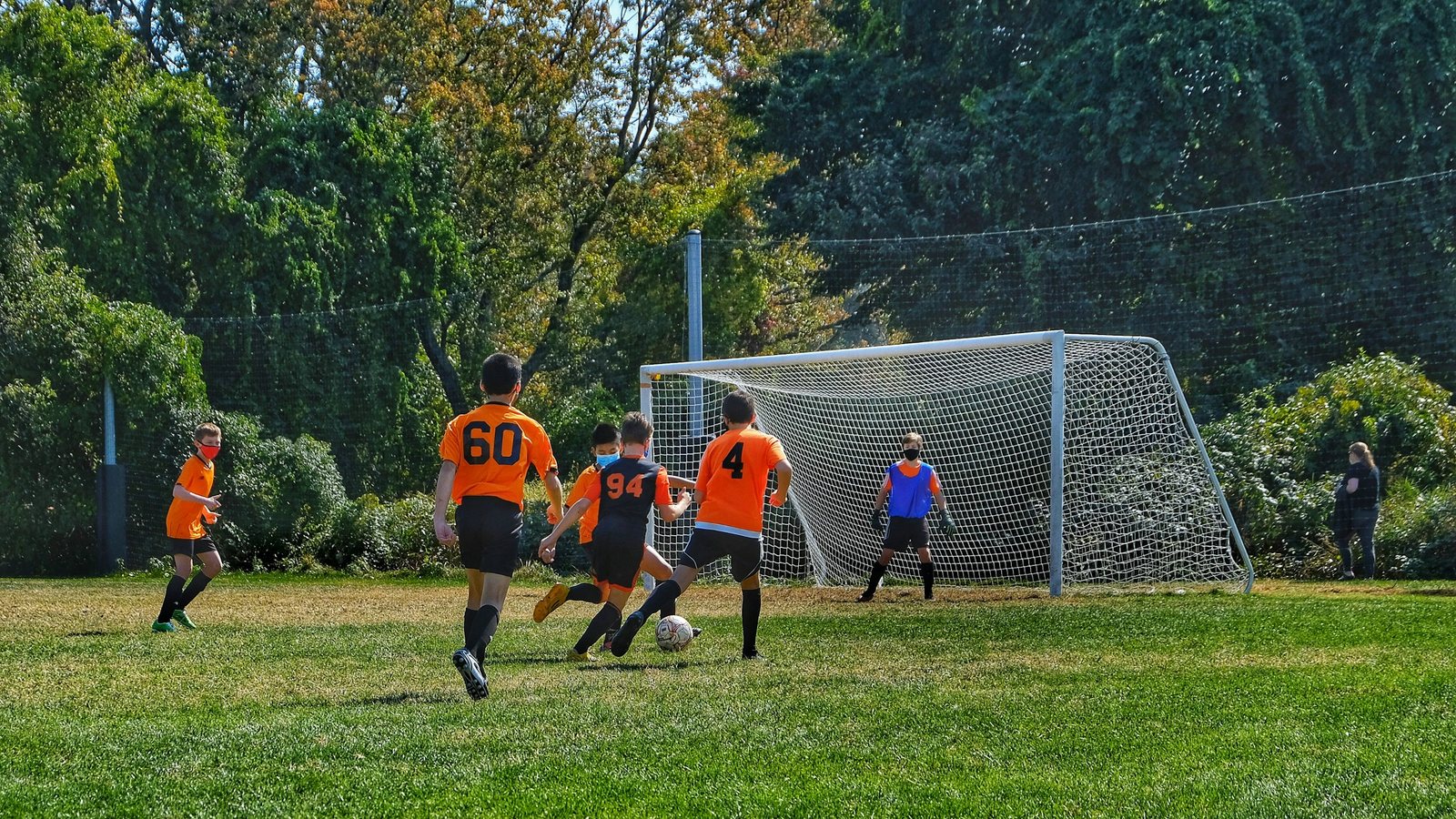
Young soccer players attacking the goal as the keeper waits on a sunny field

How do you get more registrations for a soccer academy?

Give every program its own page, run ads in the window, and make registering take two minutes. A parent who sees your reel and lands on your homepage has to hunt. A parent who lands on "U9 to U12 spring development, starts 6 April, register here" just registers.

Each program page needs:

  • The age group, dates, times and location.
  • The price and what's included.
  • Who coaches it, with a photo.
  • One short video of a session.
  • Two parent reviews.
  • One form or one registration link.

Then run Meta ads to parents within a sensible drive, and Google search ads for "soccer academy near me" and "[city] youth soccer". Retarget anyone who visited the page and didn't register.

How should a soccer academy follow up with parents?

The same day. Leads come in and nobody follows up, and that's usually the real leak, not the ad spend. A parent who asks a question on Monday and hears back on Friday has already registered somewhere else.

A simple sequence works:

  1. Within an hour: a personal reply that answers the question and gives the next date.
  2. Day 2: an invite to a free trial session or open training.
  3. After the trial: a call or text the same evening, with the registration link.
  4. Before the deadline: one reminder with the date.

Track every family in one place, even a shared spreadsheet, so nobody slips through when registration gets busy.

How do you keep soccer families coming back?

Make the next season easy to say yes to. Open re-registration for current families before the public, give them a short window and a small perk, and show them what their kid will work on next. Retention is cheaper than finding a new family.

A few things that help:

  • A progress note or short video for each player at the end of the season.
  • Early access to the next season's spots.
  • A sibling or bring-a-friend offer.
  • A season-end event families want to post about.

What results can a soccer academy expect from marketing?

It depends on your budget, your follow-up and your season. We report in registrations and revenue, not likes. As an example of what a full-season plan can do in youth sports, our work with BC Prep brought in 400 leads in 6 months at under $7 a lead, plus 175+ camp sign-ups.

The short version

Plan around your registration windows. Post match and training footage every week. Give each program its own page. Follow up the same day. And open re-registration early for the families you already have.

Sources
Coala Studio · Sports marketing

Want help with your next window?

We're a sports marketing agency that fills tryouts, camps and memberships around each club's season. On a 30-minute call we'll look at your next window and tell you what we'd build first. If it's something you can do yourselves, we'll say so.

30-minute call · free
See how we work
Questions

Questions, answered

How do I market a soccer academy?

Plan around your registration windows, post match and training footage every week, give each program its own page, run ads in the window and follow up every parent the same day.

When should a soccer academy start marketing spring registration?

In late October. Many clubs open spring early-bird registration in December, so your campaign needs to be running before then.

What should a soccer academy post on social media?

Match and training footage every week, plus coach tips, player spotlights and a clear post about what's open now.

How do I keep families registering every season?

Open re-registration for current families first, give them a short window and a small perk, and show each player's progress at the end of the season.

Categories
Sports Marketing

Youth Sports Registration Calendar: When to Market Each Season

Sports marketing guide · Youth sports
The short answer

Market each season 6 to 10 weeks before registration opens, not on the day it opens. For most clubs in Canada and the northern US, that means fall programs are sold in spring and early summer, summer camps in winter, and spring programs in December.

I think the clubs that grow aren't better at selling leads. They own their intake calendar. Here's the calendar, month by month, and how I'd plan 18 months of it.

When should a youth sports club market each season?

Before registration opens. Parents decide early, and clubs often open registration months before a season starts. Spring soccer in Surrey opened with an early bird in December and closed on 1 March. Summer camp planning starts as early as December. So the marketing for each season starts one season earlier than most clubs think.

A simple rule I'd use:

  1. Registration opens: your marketing should already be running.
  2. Early-bird deadline: your biggest push.
  3. Season starts: you're already selling the next one.

If you only market when the form goes live, you're competing for whoever's left.

What does a youth sports registration calendar look like month by month?

It's a grid of your programs against the months, showing when each one is sold, when it registers and when it runs. Below is a typical calendar for a club or academy in Canada or the northern US. Swap in your own dates, then copy it into a spreadsheet. That's your template.

The 12-month registration calendar

MonthFall league / seasonWinter house and repSpring seasonSummer campsTryouts and evaluations
JanuarySeason runningRegistration open (closes ~1 Mar)Early bird for returning familiesSpring tryouts announced for top tiers
FebruarySeason runningFinal push before deadlineMain push starts
MarchPlayoffs, wind-downDeadline, then waitlistMain push. Some camps open registration 1 MarchSpring tryouts (some top tiers)
AprilStart marketingSeason endsSeason startsKeep pushingAnnounce summer and fall tryout dates
MayMarketing runningStart marketing next seasonSeason runningFinal weeks for most familiesBook tryout ice, fields and gyms
JuneRegistration openRegistration often opensSeason endsCamps start late June
JulyRegistration closes for many rec leaguesRegistration openCamps running. Film everything
AugustPractices start mid-AugustRegistration closesLast camps, pre-season clinicsLate-August tryouts for many rep teams
SeptemberSeason startsSeason starts, evaluationsThank-you and video to camp familiesEvaluations for younger age groups
OctoberSeason runningSeason runningWinter break camp marketing starts
NovemberSeason ends (US fall)Season runningWinter break camp push
DecemberSeason running, winter break campsEarly bird opensSummer planning starts

Most rows are the typical pattern, not a rule. The dated examples come from real clubs and districts:

  1. Hockey: Kelowna Minor Hockey opens registration in June, runs its season September to March, and holds most rep tryouts at the end of August, with top-tier U13 tryouts in spring and mid-August.
  2. Spring soccer: Surrey United ran its early bird 1 to 31 December 2025, closed registration on 1 March 2026, and played April to June.
  3. US fall rec soccer: Hopkins-Minnetonka Recreation opened fall registration around 1 July 2025, closed it on 12 July, and started practices the week of 18 August.
  4. School holidays 2026-27: Surrey and Toronto winter break is 21 December to 1 January, and spring break is 15 to 19 March 2027.

Why plan 18 months ahead instead of one season?

Because every season sells the next one. Your summer camp is where you film the footage that sells fall registration. Your fall season is where you meet families for winter camp. Plan one window at a time and you miss what the current one creates. Eighteen months lets you see one full cycle plus the next intake.

Young hockey player in a caged helmet looking up the ice
Plan the next 18 months of windows, not just this season

What 18 months gives you:

  1. Budget you can plan. You know which months need ad spend and which need email.
  2. Content with a purpose. You film camp in July because you know it sells fall in August.
  3. No gaps between seasons. Registration for the next session opens before the current one ends.
  4. Facility bookings in time. Tryout ice and summer field time get booked early.

I'd review it every quarter. Dates move, but the shape of the year doesn't change much.

When should you open registration for fall and winter programs?

Late spring to early summer, with marketing starting in April. Hockey associations like Kelowna's open registration in June for a September start, and US rec soccer can open and close in two weeks in July. If your fall marketing starts in August, a lot of families have already committed somewhere else.

How I'd run it:

  1. April: announce dates and prices. Push returning families first.
  2. May: ads on, aimed at parents near your facility, with an early-bird deadline.
  3. June: registration opens. Follow up every inquiry the same day.
  4. July: last call for anyone still deciding. Use summer camp footage in every post.

Price matters more in some sports than others. The 2026 Jumpstart report found the median annual cost of youth hockey in Canada is $1,938, against $450 for soccer. Families making a $2,000 decision want to see the coaching before they commit. Show it.

When should you market spring and summer programs?

In winter. Spring programs register from December to early March, and many families start planning summer camp in December or January. The American Camp Association's CEO has told parents to start planning as early as December, and some camps open registration on a fixed date and fill within minutes, according to Scripps News.

What that means for you:

  1. December: spring early bird, and a "summer dates are coming" email to camp families.
  2. January: summer camp early bird for returning families.
  3. February to May: main summer camp push, one landing page per camp.
  4. March break: run a camp if you can. It's a chance to meet new families before summer. In Surrey and Toronto it's 15 to 19 March 2027.

The full camp plan is in how to fill a youth sports camp.

When should you run tryouts and evaluations?

Announce them at least 6 weeks before, and run them before families have committed elsewhere. For many rep programs that means late August, with top tiers sometimes holding spring tryouts too. Younger age groups often evaluate in September. The announcement is marketing: it's your best chance to reach families outside your club.

What I'd do:

  1. Publish dates in April for summer and August tryouts.
  2. Give the tryout its own page with dates, ages, location, cost and one form.
  3. Run ads to it for 4 to 6 weeks, to parents of players in the right age band.
  4. Follow up after. Players who don't make the top team are your next house league or development registrations. Tell them that kindly, and offer a spot.

If you run a hockey program, our guide on how to market a hockey academy goes deeper on tryouts and intakes.

How do you get returning families to register first?

Open registration to them before anyone else, and ask while the season's still running. Returning families are your cheapest registrations, and in hockey most players come back: Hockey Canada says retention for ages 5 to 16 is above 90%. I'd bet a short early window and a reminder before it closes fills a good share of your spots.

The steps:

  1. End of season: send a thank-you and a highlight video.
  2. Two weeks later: next season's dates, and a 7 to 10 day returning-family window.
  3. Reminder: 3 days before the window closes.
  4. Sibling or friend offer: at the same time.

Referrals are great when they happen, but referrals aren't a strategy, they're luck you can't schedule. The returning-family window is the strategy.

How do you turn this calendar into a marketing plan?

Give every window a page, a deadline, an ad budget and a follow-up process, all dated on one calendar. Then check every Monday how many inquiries came in and how many registered. The calendar tells you when. The follow-up decides how many of those inquiries turn into registrations.

A plan that works on one page:

  1. List every program for the next 18 months with registration open, deadline and start dates.
  2. Work back 6 to 10 weeks from each opening. That's when marketing starts.
  3. Give each window one landing page with one form.
  4. Set ad spend by month, heaviest in the 3 weeks before each deadline.
  5. Write the follow-up: instant email, same-day reply, day-2 text, deadline reminder.
  6. Film every season to sell the next one.

This is how we work with academy clients.BC Prep has had 400 leads in 6 months at under $7 a lead and 175+ camp sign-ups with us. For the bigger picture, read the complete marketing system for sports academies.

Sources
Coala Studio · Sports marketing

Want your next 18 months of registration windows mapped?

We're a sports marketing agency that fills tryouts, camps and memberships around each club's season. On a 30-minute call we'll sketch your intake calendar and tell you which window to work on first. If it's something you can do yourselves, we'll say so.

30-minute call · free
Map my registration calendar
Questions

Registration calendar FAQ

When should a youth sports club open registration?

For fall and winter programs, typically in late spring or June, with marketing starting in April. For spring programs, typically in December with a deadline around 1 March. For summer camps, early bird in January.

How far ahead should I market a youth sports season?

Start 6 to 10 weeks before registration opens, and push hardest in the 3 weeks before your early-bird deadline. I'd plan 18 months of windows at once so each season sells the next.

When should rep tryouts be held?

Many rep programs hold tryouts in late August, with top tiers sometimes testing in spring. Announce dates at least 6 weeks ahead and give the tryout its own page.

How do I increase youth sports registrations?

Own your intake calendar, market before registration opens, give returning families a first window, and follow up every inquiry the same day.

Is there a template for a youth sports registration calendar?

Yes, the calendar table on this page. Copy it into a spreadsheet, replace the typical months with your own dates, and add one row per program.

Categories
Sports Marketing

Winter Break Camp Marketing: An 8-Week Countdown to December 2026

Sports marketing guide · Camps
The short answer

Winter break camp marketing works when you start in late October, sell each week of the break separately, and close registration about 10 days before camp starts. For most schools in Surrey, Toronto and Seattle, winter break 2026 runs Monday 21 December to Friday 1 January, so your selling window is roughly now to Friday 11 December.

That's eight weeks. Here's what I'd do in each one.

If you want the general camp plan first, read how to fill a youth sports camp. This article is the dated version for this December.

When is winter break 2026, and when should you start marketing?

In the three districts I checked, winter break 2026 runs 21 December to 1 January, and Toronto students go back on Monday 4 January. Parents are booking December childcare now. Start marketing in the last week of October, and plan to close registration around 11 December so you can staff the camp properly.

Winter break 2026 dates

DistrictWinter breakBack to schoolSource
Surrey Schools (BC)Mon 21 Dec 2026 to Fri 1 Jan 2027Not stated on the district page; check your schoolSurrey Schools district calendar, Aug 2026
Toronto District School Board (ON)Mon 21 Dec 2026 to Fri 1 Jan 2027Mon 4 Jan 2027TDSB key dates
Seattle Public Schools (WA)21 Dec 2026 to 1 Jan 2027After 1 Jan 2027SPS 2026-27 calendar

Check your own district before you print anything. Private schools often break earlier.

One thing worth noticing: 25 December and 1 January are both weekdays this year. So the break gives you at most eight weekday camp days: 21 to 24 December and 28 to 31 December. Fewer if you close on Christmas Eve or New Year's Eve.

Should you sell winter break as one camp or two?

Sell it as two. I think a "Holiday Week 1" (21 to 24 Dec) and a "Holiday Week 2" (28 to 31 Dec) fill better than one two-week block. Plenty of families are away for one of those weeks. Two short camps give every family a week that fits, and a two-week discount still rewards families who want both.

Coach and young basketball players with their hands together in a huddle
Two short weeks fill better than one long block

How I'd set it up:

  1. Two landing pages, or one page with two clear buttons. Each week gets its own dates, price and spots left.
  2. Full-day and half-day options. Working parents need full days. Half-days are an easy yes for families who are home.
  3. A small two-week discount. It rewards families who book both, and it fills your quieter week.
  4. A cap per week. Publish it. A real number of spots makes the deadline believable.

I'd expect one of the two weeks to be harder to fill. Your registrations will tell you which by mid-November. That's where the two-week offer and your returning families do the work.

What should you do this week, before ads go live?

Get the page live and tell last year's families first. Before you spend a dollar on ads, you need dates, hours, ages, price and one registration button on a page that works on a phone. Then give returning families a short head start. They're your cheapest registrations and they'll fill your first spots.

Your checklist for the week of 26 October:

  1. Lock dates and staff. Coaches, rink or gym time, and the cap for each week.
  2. Build the page. Headline with sport, ages and dates. Daily schedule, price, what to bring, coach names, one form.
  3. Set the early-bird deadline. I'd use Sunday 22 November, before Black Friday week.
  4. Email and text returning families. Give them 7 days before the public launch.
  5. Film something. Even 30 seconds of a regular practice. You'll need it for ads next week.

If your page isn't sure whether it's a website or a booking page, our take on landing pages vs websites will help.

What happens week by week from November to camp?

From November, you run ads to parents near your facility, post the camp twice a week, and push hard in the last three weeks before registration closes. The early-bird deadline sits in the middle and pulls undecided parents forward. Every inquiry gets a reply the same day, because that's usually where camps lose registrations.

The countdown

Week ofWhat to do
Mon 26 OctPage live. Returning families get first access. Film footage.
Mon 2 NovPublic launch. Meta ads on, to parents within a realistic drive. Google search ads on "[sport] camp [city]" and "winter break camp [city]".
Mon 9 NovFirst two camp posts on social. Reply to every inquiry the same day. Check: inquiries in vs registrations.
Mon 16 NovEarly-bird reminder email and ad. "Ends Sunday."
Mon 23 NovEarly-bird has ended. Switch messaging to "gift a camp week". Black Friday is Friday 27 Nov.
Mon 30 NovRetarget everyone who visited the page and didn't book. Post spots left, if that's true.
Mon 7 DecLast call. Registration closes Friday 11 Dec. Daily posts and a final email.
Mon 14 DecConfirmation email to every family: drop-off, pick-up, what to bring. Waitlist for anyone you turned away.
Mon 21 DecCamp starts. Film it. You're selling March break with this footage.

I'd put more budget into the last three weeks before the deadline. That's when undecided parents make up their minds.

If your ads get clicks and no registrations, the problem is usually the page or the follow-up, not the ad. More on that in why Meta ads get clicks but not leads.

How do you use Black Friday to sell a winter camp?

Sell the camp week as a gift. From the week of 23 November, frame it as "give your kid a week of hockey (or soccer, or skating) over the holidays." Black Friday is 27 November this year. Grandparents and parents are already buying gifts that weekend, and a camp week is one they can buy from you.

What I'd do:

  1. Add a gift option to the registration form, with a printable card.
  2. Keep the price the same. The gift angle is the offer. A Black Friday discount only trains families to wait.
  3. Send one email on Friday 27 November and one on Monday 30 November.
  4. Run one ad set with the gift message to the same parent audience.

This is a guess, but a sensible one: a gift card for a camp week is an easier buy for a grandparent than a pair of skates in the wrong size.

What do you do if the camp isn't filling by early December?

Look at your inquiries before you cut your price. If parents are asking and not booking, fix the follow-up first. If nobody is asking, widen the ad audience and push the deadline harder. Cutting the price in the last week rewards the families who waited and annoys the ones who paid early.

Work through this in order:

  1. Count inquiries vs registrations. If 20 parents asked and 5 booked, call the other 15 today.
  2. Check reply time. Every inquiry should get a real answer the same day.
  3. Merge or drop the weak week. If week 2 has 4 kids, offer those families week 1 or a half-day option.
  4. Ask your current players. A "bring a friend" spot for anyone already registered.
  5. Then, and only then, consider a last-minute offer. Make it an extra (a free half-day add-on), not a discount.

In my experience, leads come in and nobody follows up. That's usually the leak, not the ad spend.

How do you turn December campers into March break registrations?

Ask them before the camp ends. Families who come in December are your easiest March break registrations, because they already trust your coaches and their kids already want to come back. Send the March break dates with the end-of-camp video, and give them first pick before you announce publicly in January.

In Surrey and Toronto, the 2027 spring break is 15 to 19 March, so families start deciding in January. What I'd send:

  1. Last day of camp: a short highlight video and a thank-you.
  2. Same email: "March break camp is 15 to 19 March. Want first pick?"
  3. First week of January: returning-family registration opens, 7 days before the public.
  4. Ask for a Google review by text the week camp ends, while it's fresh.

That's how one camp sells the next. It's also how a camp program grows. One of our clients, BC Prep, has had 175+ camp sign-ups with us and 400 leads in 6 months at under $7 a lead. Every camp you run is footage and families for the next one.

Sources
Coala Studio · Sports marketing

Want your winter break camp full before 11 December?

We're a sports marketing agency that fills camps, tryouts and memberships around your season. On a 30-minute call we'll look at your December camp and tell you what we'd do this week. If it's something you can do yourselves, we'll say so.

30-minute call · free
Map my winter camp
Questions

Winter break camp FAQ

When is winter break 2026?

In Surrey Schools, the Toronto District School Board and Seattle Public Schools, winter break runs Monday 21 December 2026 to Friday 1 January 2027. Toronto students go back on Monday 4 January. Check your own district, since private schools and other districts vary.

When should I start marketing a winter break camp?

In the last week of October. Get the page live and give returning families first access that week, then launch ads to the public in the first week of November.

When should winter break camp registration close?

I'd close it around Friday 11 December for a camp starting 21 December. That gives you a week to confirm staff and send families their drop-off details.

Should I offer a Black Friday discount on camp?

I wouldn't. Sell the camp week as a gift that weekend at the normal price. Discounts late in the window reward families who waited.

How many camp days are there over winter break 2026?

Up to eight weekdays: 21 to 24 December and 28 to 31 December. Christmas Day and New Year's Day both fall on weekdays this year.

Categories
Sports Marketing

How to Market a Hockey Academy (and Fill Every Intake)

Sports marketing guide · Hockey
The short answer

You market a hockey academy by planning around your intake calendar, not your game schedule. Start promoting 8 to 12 weeks before each registration window, show parents real training footage and real development, send every ad to one page with one form, and reply to every inquiry the same day.

That's the short version. The rest of this guide is the long one, written for academy owners, prep program directors and skills coaches who are great on the ice and tired of guessing off it.

How do you market a hockey academy?

Marketing a hockey academy means selling development to parents, not hockey to kids. The kids already want to play. The parents are deciding whether your program is worth the money and the early mornings. So every post, ad and page has one job: show a parent what their kid will get better at, when, and how to sign up.

In my opinion, most academies get the first part right and miss the other two. They post highlight clips. They don't post dates, prices or a clear next step. A parent who likes the clip has nowhere to go.

Here's the system I'd build for any academy with 60 to 400 players:

  1. A 12-month intake calendar with every registration window on it.
  2. A content plan that runs all year, built on training footage.
  3. Paid ads that switch on 8 to 12 weeks before each window.
  4. One landing page per program, with one form.
  5. A follow-up process so no inquiry waits more than a day.
  6. A retention push before next season's re-registration opens.

Why is marketing a hockey academy different from other sports?

Hockey is the premium choice for Canadian families now, and parents shop it that way. A national survey of nearly 6,000 parents for Canadian Tire Jumpstart Charities, reported in January 2026, put the median annual cost of hockey at $1,938, against $450 for soccer. Hockey ranked eighth for youth participation at 22%, while soccer led at 50%.

$1,938
Median yearly cost of youth hockey in Canada
Jumpstart · Jan 2026
$450
Median yearly cost of youth soccer in Canada
Jumpstart · Jan 2026
90%+
Hockey Canada retention, ages 5 to 16, 2024-25
Hockey Canada · Jun 2025

I think hockey has priced itself out for a lot of Canadian families. That's the reality an academy markets into. When a family is spending four times what a soccer family spends, they want proof before they commit.

Rounak Sardesai · Founder, Coala Studio

The good news is that the families who do play are staying. Hockey Canada reported more than 603,000 registered players in sanctioned programs for 2024-25, up 2.4%, the fourth straight year of growth. It also reported over 70,000 new players, record female registration of more than 115,000, and retention for ages 5 to 16 averaging above 90%.

So the market isn't shrinking. It's choosier. That changes three things:

  1. Proof beats hype. Parents want to see drills, coaching and progress, not just goals.
  2. Price needs context. Show what's included per hour of ice and coaching, so the number makes sense.
  3. Timing matters more. Families plan hockey spend months ahead, so late marketing loses to whoever showed up first.

When should a hockey academy start marketing each season?

Start each campaign 8 to 12 weeks before the registration window opens, and keep content running all year in between. Hockey families commit early. If your spring program opens in March, your ads should be live in January and your content should already be talking about it.

I believe in owning the intake calendar rather than chasing leads. Write down every window for the next 18 months and build a campaign for each one. A typical northern hockey academy year looks something like this. Adjust it to your own programs.

The hockey academy year at a glance

MonthsWhat families are doingWhat you should be running
Sept to OctRegular season starts. Kids are on teams.Content on in-season skills and development. Promote winter break clinics.
Nov to DecMid-season. Holiday plans.Winter break camp and clinic push. Gift-card or gift-a-program offer.
Jan to FebThinking about spring and next season.Ads on for spring programs and next year's academy intake. Evaluation days.
Mar to MaySeason ends. Spring hockey and tryouts.Spring program runs. Next-season academy registration push.
Jun to AugSummer skills and camps.Summer camp fills. Early-bird for fall academy. Collect testimonials.

Every row has a sales window. A lot of academies only market one or two of them. That's leaving full programs on the table.

What should a hockey academy post on social media?

Post training footage, every week. In my opinion it's the number one thing clubs and academies don't do enough of, and it's the cheapest marketing you'll ever make. Even a program with a hundred kids under 14 has an audience, because the parents watch and the parents share.

Young hockey player in a caged helmet looking up the ice
Training footage: the cheapest marketing an academy will ever make

What works:

  1. Drill clips with a caption that explains the why. "Edge work for U11s: this is why their crossovers look different by December."
  2. Before and after. The same player, same drill, eight weeks apart.
  3. Coach on camera. Thirty seconds of a coach explaining one skill builds more trust than any ad.
  4. Parent and player voice. Short, real, unscripted.
  5. The dates. Every few posts, say plainly what's open, when it closes and how to register.

Talk about results in parent language: "made the AAA team," "first season at prep school," "more ice touches per hour." Never measure a post's success in likes. Measure it in registrations.

Do Meta and Google ads work for hockey academies?

Yes, when they're timed to a registration window and point at one landing page. Meta (Facebook and Instagram) is where you reach parents in your area. Google is where you catch parents already searching "hockey camp near me" or "spring hockey [city]." Run both for 8 to 12 weeks before each window.

How I'd set it up:

  1. Meta: target parents within a sensible drive of your rink. Use your best training clip as the ad. One offer per campaign, like "Spring Development Program, 8 weeks, starts April 6."
  2. Google search: bid on your program type plus your city, and your own academy name.
  3. Retargeting: show a short reminder ad to anyone who visited the page but didn't register. Include the deadline.

If your ads get clicks but no registrations, the problem is usually the page or the follow-up, not the ad. We wrote a whole post on why Meta ads get clicks but not leads.

What should a hockey academy landing page include?

One program, one page, one form. A parent landing from an ad should be able to answer "what is it, when is it, who is it for, how much, and how do I sign up" in under a minute. Your homepage can't do that. A program page can.

The checklist:

  1. A headline that names the program and age group.
  2. Dates, times, rink and age or skill level.
  3. What's included: ice hours, coach ratio, off-ice training, video review.
  4. Price, or "from" price, with what it works out to per session.
  5. A short coach bio with credentials.
  6. A training video.
  7. Two or three parent quotes.
  8. One form or registration button, repeated down the page.
  9. An FAQ: equipment, missed sessions, refunds, sibling discounts.

If you're not sure whether you need a full website or just a page, here's our take on landing pages vs websites.

How do you turn inquiries into registered players?

Reply the same day, every time. In my experience, leads come in and nobody follows up, and that's usually the real leak, not the ad spend. A parent who fills in a form on Tuesday night and hears back on Friday has often already registered somewhere else.

A simple follow-up process:

  1. Instant: automatic email and text confirming you got the inquiry, with the program details.
  2. Same day: a personal reply from a coach or the director.
  3. Day 2: invite them to an evaluation skate or a call.
  4. Day 5: a reminder with the deadline and spots left, if that's true.
  5. After the deadline: add them to next season's list. Don't delete them.

Write down who owns each step. If it's "whoever sees it," nobody does.

How do you keep players coming back next season?

Show parents the progress before you ask them to re-register. Retention in hockey is strong overall, so your returning families are your easiest registrations. Don't make them wait for a generic email.

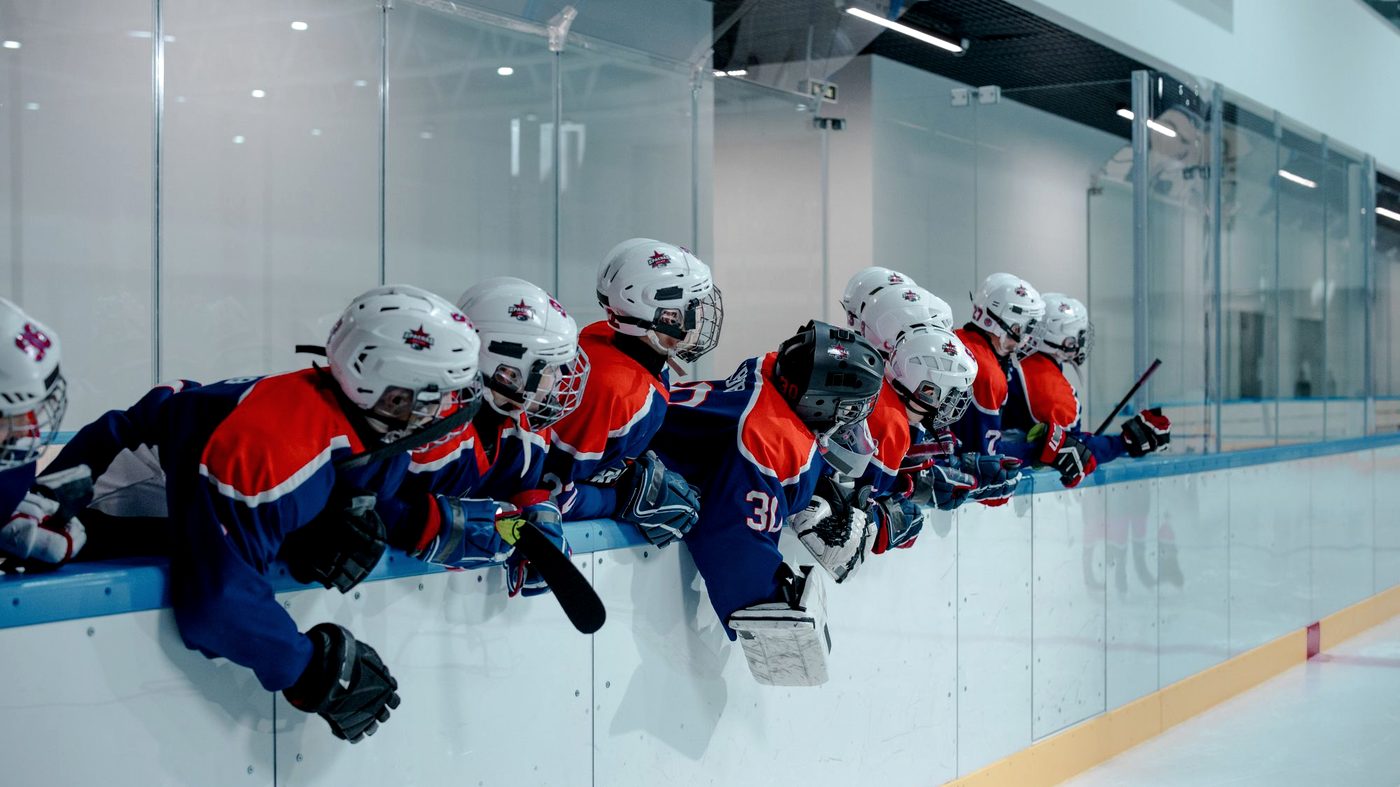
Youth hockey players leaning over the boards watching their teammates
Returning families are your easiest registrations

What I'd do:

  1. Mid-season update for each player: one skill improved, one to work on, with a clip if you can.
  2. End-of-season video for the whole group. Parents share these.
  3. Early re-registration for current families, before the public window, with a small perk.
  4. Referral ask at the same time. Happy parents talk to other hockey parents at the rink.

Referrals are great when they come. But referrals aren't a strategy, they're luck you can't schedule. Use them on top of the calendar, not instead of it.

What should a hockey academy track?

Track registrations, not reach. For every campaign, you want to know how many inquiries came in, how many became registered players, what each registration cost, and where they came from. That's four numbers. Most academies can't answer any of them.

MetricWhat it tells you
Inquiries per weekIs the campaign working?
Inquiry to registration rateIs your follow-up working?
Cost per registrationIs the ad spend worth it?
Re-registration rateAre families happy?
Source ("How did you hear about us?")Where to spend next season

Add a "How did you hear about us?" field to every form. It costs nothing and settles a lot of arguments.

How does a hockey academy get found on Google?

Claim and fill out your Google Business Profile, and ask every happy family for a review. When a parent searches "hockey camp near me" or "hockey academy [city]," the map results and reviews do a lot of the deciding. BrightLocal, a local SEO company, found in its 2026 survey that 97% of consumers read reviews for local businesses.

The basics:

  1. Correct category, hours and address. Use your rink address if that's where families go.
  2. Photos of real sessions, updated every season.
  3. A post for every program, with dates and a link to its landing page.
  4. A review ask by text after evaluations, camps and the end of each season, with the direct link.
  5. A reply to every review, good or bad, within a few days.

Then make sure each program has its own page on your website with the city and program type in the title, like "Spring Hockey Development Program, Surrey." That's what Google matches to local searches.

Should you hire an agency or do it in-house?

Do it in-house if you have someone with the time, the skills and the calendar discipline. Hire help if marketing is the thing that keeps slipping. I think the marketing unicorn doesn't exist: one person who shoots, edits, runs ads, builds pages and follows up is very rare. You're not really choosing between in-house and agency. You're choosing between one hire and one team.

Whichever you choose, the plan above stays the same. Calendar first, footage every week, ads in the window, one page, fast follow-up.

For a longer view of how all the pieces fit, read the complete marketing system for sports academies. If you also run camps, our guide on how to fill a youth sports camp covers that side.

Coala Studio · Sports marketing

Want your next intake mapped out?

We're a sports marketing agency that plans around your season. On a 30-minute call we'll map your next registration window and tell you what we'd build first. If it's something you can do yourselves, we'll say so.

30-minute call · free

We plan around your intake calendar, make reels from your real training, and build the ads, pages and follow-up that turn interest into registered players.

Map my next season
Questions

Hockey academy marketing FAQ

How far ahead should a hockey academy start marketing?

Start paid ads 8 to 12 weeks before each registration window opens. Keep posting training content all year, so families already know you when the ads start.

What's the best social media platform for a hockey academy?

Instagram and Facebook reach parents best for most academies, because parents make the decision and pay. Post short training clips and clear registration dates on both.

How much does youth hockey cost in Canada?

A January 2026 Canadian Tire Jumpstart Charities survey of nearly 6,000 parents put the median annual cost of youth hockey at $1,938, against $450 for soccer.

Do hockey academies need a website or just a landing page?

You need both, but ads should go to a program landing page with one form. The website builds trust. The landing page gets the registration.

How do I get more players to re-register?

Show progress before you ask. Send a mid-season update and an end-of-season video, then open early re-registration for current families before the public window.

Categories
Sports Marketing

How to Fill a Youth Sports Camp: A Season-by-Season Plan

Sports marketing guide · Camps
The short answer

You fill a youth sports camp by opening registration early, putting each camp on its own landing page, running ads for 6 to 10 weeks before it starts, and replying to every parent inquiry the same day. Then you ask last year's families first, before anyone else sees the dates.

Good sports camp marketing is mostly timing and follow-up. Here's the plan I'd use for any club or academy running holiday, spring or summer camps.

How do you fill a youth sports camp?

You fill a camp by being the first good option a parent sees, and the easiest one to book. Parents plan camps around work and school holidays, often months ahead. So the camp with clear dates, a clear price and a simple form, live before the rush, usually fills before the one that announces late.

The plan in six parts:

  1. Put every camp for the next 12 to 18 months on one calendar.
  2. Give each camp its own landing page with dates, ages, price and one form.
  3. Open early registration for last year's families first.
  4. Run ads 6 to 10 weeks before each camp, with a real deadline.
  5. Reply to every inquiry the same day.
  6. Film the camp and use the footage to sell the next one.

I think the biggest mistake is treating each camp as a one-off. Plan the year, and every camp feeds the next.

When do parents book sports camps?

Earlier than most clubs market. For summer, a lot of families start planning in winter. The American Camp Association's CEO has told parents to start planning as early as December, and some camps open registration on a fixed date and fill fast, according to a 2024 Scripps News report. I'd plan for holiday camps to book closer in, roughly 4 to 8 weeks out.

Here's a typical calendar for a club or academy in Canada or the northern US. Swap in your own school holiday dates.

The youth sports camp calendar

CampWhen parents decideWhen to start marketing
Winter break (late Dec to early Jan)October to NovemberNow: early October
Spring break / March breakJanuary to FebruaryEarly January
Summer campsJanuary to April for most familiesEarly-bird in January, main push February to May
Late-summer / pre-seasonMay to JulyMay
Pro-D days and one-day clinics2 to 4 weeks out4 weeks out, mostly to existing families

The pattern: summer is decided in winter, and winter is decided in the fall. If your summer camp page goes live in May, you're marketing to whoever's left.

How do you market a winter break camp?

Start in early October and sell it as the answer to a working parent's problem: two weeks with no school. Winter break camps are a short, high-intent window. Parents need childcare, kids want to stay active, and your facility is often quieter than usual. Lead with dates, hours, ages and price, then the fun. Here's the week-by-week winter break plan.

What I'd do this month:

Do this month
  1. Get the page live with full-day and half-day options and the exact dates.
  2. Email and text current families first, with a sibling discount if you offer one.
  3. Add a gift option. "Gift a camp week" works well from mid-November.
  4. Run a 6-week ad campaign to parents near your facility, with a clear early-bird deadline.
  5. Post daily in the last two weeks of registration, with spots left, if that's true.

If you're reading this in October, there's still time. I'd bet plenty of families haven't locked in their December plans yet.

What should a sports camp landing page include?

Everything a parent needs to say yes in one visit: dates, daily hours, ages, location, price, what's included, who the coaches are, and one registration button. A camp page isn't a brochure. It's a booking page. Parents arriving from an ad should never have to search your website for the price.

The checklist:

  1. Headline with the camp name, sport, ages and dates.
  2. Daily schedule: drop-off, pick-up, what a day looks like.
  3. Price, early-bird deadline, sibling or multi-week discount.
  4. What to bring, and whether lunch is included.
  5. Coach names and credentials, plus your safety basics.
  6. A short video of last year's camp.
  7. Parent quotes.
  8. One form or registration button, repeated down the page.
  9. FAQ: refunds, missed days, skill level, extended care.

If you're unsure whether you need a full website or just this page, here's our take on landing pages vs websites.

How do you use Meta and Google ads for camp registrations?

Run Meta ads to parents near your facility for 6 to 10 weeks before each camp, and Google search ads on "sports camp" plus your city. Use real camp footage as the creative, one camp per campaign, and a real deadline. Then retarget anyone who visited the page and didn't register.

Setup that works:

  1. Meta: parents within a realistic drive. One short video of kids training and having fun. The headline is the camp name and dates.
  2. Google: "[sport] camp [city]," "winter break camp [city]," "March break camp [city]." Send each to the matching camp page.
  3. Retargeting: a reminder ad with the deadline, shown to page visitors who didn't book.
  4. Budget: I'd spend more in the last 3 weeks before the deadline, when undecided parents are making up their minds.

If your ads get clicks but no sign-ups, it's usually the page or the follow-up. More on that in why Meta ads get clicks but not leads.

Why do camp inquiries go cold, and how do you fix it?

They go cold because nobody follows up fast enough. In my experience, leads come in and nobody follows up, and that's usually the real leak, not the ad spend. A parent comparing three camps will often book the first one that answers their question about drop-off times.

The fix is a simple, written process:

  1. Instantly: automatic email and text with the camp details and the registration link.
  2. Same day: a real reply from a person, answering their question.
  3. Day 2: a short "any questions?" text.
  4. 3 days before the deadline: a reminder with the date.
  5. After the camp fills: a waitlist, and first access to the next camp.

Give each step an owner. Then check every Monday how many inquiries came in and how many registered.

How do you get last year's campers to come back?

Ask them first, before you announce to anyone else. Families who came last year already trust you, so they're your cheapest registrations. Give them a short early window and a small perk, and send them a highlight video of their kid's week before you ask.

Coach and young basketball players with their hands together in a huddle
Ask last year's families first

What I'd send:

  1. The day after camp: a thank-you and a short video of the week.
  2. Two weeks later: "Next camp dates are coming. Want first pick?"
  3. Early window: 7 to 10 days of returning-family registration before public launch.
  4. Referral ask: a sibling or friend discount, at the same time.

Referrals are lovely when they happen, but referrals aren't a strategy, they're luck you can't schedule. The early window is the strategy. Referrals are the bonus.

How should you use early-bird, sibling and multi-week offers?

Use offers to pull decisions forward, not to cut your price for people who'd book anyway. An early-bird with a real end date gives undecided parents a reason to commit now. Sibling and multi-week offers raise the value of each family. Keep it to one or two offers per camp, so the page stays simple.

How I'd set them up:

  1. Early-bird: a modest saving that ends on a fixed date, 3 to 4 weeks before the camp. Put the date in every ad and email.
  2. Returning-family window: first pick of spots, not necessarily a discount.
  3. Sibling offer: a saving on the second child. Parents with two kids are planning around both.
  4. Multi-week offer: a saving for booking 2 or more weeks, which fills your quieter weeks.
  5. No permanent discounts. If the price is always lower, it's just the price.

When the early-bird is about to end, say so in an email and a post. Deadlines move people.

How do parents find sports camps on Google?

Mostly by searching the camp type and their city, so each camp needs its own page with both in the title. "Winter break hockey camp Surrey" and "March break basketball camp Vancouver" are the kinds of searches parents type. A page called "Camps" can't match all of them.

Then keep your Google Business Profile up to date with a post for every camp, real photos, and recent reviews. BrightLocal, a local SEO company, found in its 2026 survey that 97% of consumers read reviews for local businesses. Ask parents for a review by text the week a camp ends, while it's fresh.

What should you post on social media to sell a camp?

Post the camp itself: kids learning a skill, coaches coaching, the day in 30 seconds. Then post the dates, plainly, every few posts. Parents are the buyers, and they want to picture their kid there. Training and camp footage is the number one thing I see clubs not posting enough.

Young soccer players sitting together on the team bench
Parents want to picture their kid there

A simple rhythm in the 6 weeks before a camp:

  1. Two clips a week from last year's camp, or from regular training.
  2. One "what a day looks like" post.
  3. One coach intro.
  4. One post with dates, price and the deadline.
  5. In the last week: spots left, if that's true, and the deadline again.

Judge it on registrations, not likes. A post that gets 40 likes and 6 sign-ups beats one that gets 400 likes and none.

What does a full camp look like in practice?

It looks like a calendar, a page, ads in the window and fast follow-up, all working together. One of our clients, BC Prep, has had 175+ camp sign-ups with us, and 400 leads in 6 months at under $7 a lead. Its reels, posts and ads passed 600,000 views.

175+
camp sign-ups for BC Prep
Coala client result
400
leads in 6 months for BC Prep
Coala client result
600K+
views across BC Prep's reels, posts and ads
Coala client result

What I'd take from it for your own camp:

  1. Use real footage. Parents want to see the actual coaches and the actual gym.
  2. Give every ad one job. One program, one page, one form.
  3. Put the calendar first. Start campaigns before the registration window, not during it.

Read the BC Prep case study. In the meantime, the bigger system is in the complete marketing system for sports academies. If you run a hockey program, our guide on how to market a hockey academy covers that side.

Coala Studio · Sports marketing

Want your next camp full before the deadline?

We're a sports marketing agency that fills camps, tryouts and memberships around your season. On a 30-minute call we'll look at your next camp and tell you what we'd build first. If it's something you can do yourselves, we'll say so.

30-minute call · free

We plan your camp calendar, make reels from your real sessions, and build the pages, ads and follow-up that turn parent interest into sign-ups.

Map my next camp
Questions

Sports camp marketing FAQ

When should I start marketing a summer sports camp?

Open an early-bird for returning families in January and run your main push from February to May. Many parents plan summer in winter, and the American Camp Association's CEO has advised planning as early as December.

How far ahead should I market a winter break camp?

Start in early October. Plan for parents deciding in October and November, so have a page, an early-bird deadline and ads live 6 to 8 weeks before camp starts.

What's the best way to advertise a youth sports camp?

Meta ads to parents near your facility plus Google search ads on "[sport] camp [city]," both pointed at a camp landing page with one form. Use real camp footage as the ad.

How do I get more camp registrations without spending more on ads?

Follow up every inquiry the same day, and give last year's families an early registration window with a small perk. I think those two steps add more sign-ups than extra ad spend.

Should each sports camp have its own landing page?

Yes. Each camp needs its own page with dates, hours, ages, price and one registration button, so parents arriving from an ad can book in one visit.

Categories
Sports Marketing

How Much Should a Sports Club Spend on Marketing? The 70/20/10 Rule for Clubs

/Sports marketing guide / Budget

How Much Should a Sports Club Spend on Marketing? The 70/20/10 Rule for Clubs

By Rounak SardesaiLast updated November 20264 min read
Youth sports coach planning the season with a tactics clipboard at the field
Budget
The short answer

A sports club should set its marketing budget by working back from what a registration is worth and how many it needs, not by copying a percentage. Once you have the number, spend most of it in your registration windows, and split it 70/20/10: 70% on what already fills spots, 20% on improving it, 10% on new tests.

Rounak's take

I think a club should set its marketing budget from what a registration is worth, not from a percentage of revenue.

01

What percentage of revenue should a sports club spend on marketing?

There's no reliable benchmark for clubs. The best-known figure comes from big companies: Gartner's 2026 survey found marketing budgets at 7.8% of company revenue, but most of those companies make over $1 billion a year. A youth club or academy is a different business, so use a method, not someone else's percentage.

That's why I'd start with the registration, not the revenue. Here's the method.

/Sources: 7.8% ... over $1 billion

02

How do you work out a marketing budget for a club or academy?

Work backwards from your registrations. Decide how many new players you need, estimate how many inquiries it takes to get one, and multiply by what an inquiry costs you today. That gives you a budget tied to real spots, which you can check every season.

The four numbers:

  1. New registrations needed. Spots to fill minus the families you expect back.
  2. Inquiries per registration. If 1 in 4 inquiries registers, you need 4 inquiries per spot.
  3. Cost per inquiry. From your own ads and forms. If you don't know it, run a small test first.
  4. What a registration is worth. A season fee, plus the camps and seasons a family is likely to stay for.

A worked example with round numbers (not a benchmark): a club needs 60 new players. 1 in 4 inquiries registers, so it needs 240 inquiries. If an inquiry costs $10, the ad budget for that window is about $2,400. If each new family is worth far more than $40 in fees over the years, the budget makes sense.

For a real reference point, our work with BC Prep produced 400 leads in 6 months at under $7 a lead. Your cost will depend on your sport, market and offer.

03

How should a club split its marketing budget?

Use 70/20/10 as a guide. Put 70% into what already fills spots, like ads that convert, follow-up and footage of your programs. Put 20% into making those better, like a sharper registration page or new ad angles. Keep 10% for real tests, like a new channel or a new program.

What that looks like for a club:

ShareWhat it pays forClub examples
70%What already worksAds in the registration window, the follow-up system, filming games and training
20%Improving itA better registration page, new ad creative, a referral push
10%TestingA new channel, a new program's first ads, a partnership with a local business

The rule was built for steady businesses. A club isn't steady. Its demand comes in windows. So split each window 70/20/10, rather than the year.

04

When should a club spend its marketing budget?

In the weeks before and during each registration window. Most of a club's year is quiet, then families decide in a few weeks. Spending evenly across 12 months wastes money in the quiet months and runs out when it matters. Plan the budget by window: spring, summer camp, fall and any winter program.

I keep coming back to this: don't sell leads one season at a time. Own the intake calendar. Plan your windows a year ahead and put a budget next to each one.

A simple way to plan it:

WindowTypical timingShare of yearly ad budget
Spring seasonDecember to MarchSet by your spot count
Summer campsJanuary to MaySet by your spot count
Fall season or tryoutsMay to AugustSet by your spot count
Winter or holiday campsOctober to DecemberSet by your spot count

The shares come from the four numbers above, window by window. That's the point: the budget follows the spots.

Young soccer players in action with parents watching from the sideline
/Young soccer players in action with parents watching from the sideline
05

What do families already spend on youth sports?

A lot, and more every year. The Aspen Institute's Project Play survey found US families spent $1,016 on a child's main sport in 2024, up 46% from 2019. In Canada, the 2026 Jumpstart report put the median at $1,938 a year for hockey and $450 for soccer. A family spending that much is worth a proper marketing budget to win and keep.

/Sources: $1,016 ... 46% · $1,938 ... $450

06

Should a club spend its budget on a hire, an agency or ads?

That depends on what's missing. If nobody at the club has time to post footage, run ads and follow up, ad money alone won't fix it. I think the marketing unicorn doesn't exist: one hire rarely does strategy, filming, editing, ads and follow-up all well. You're choosing between one person and a team, not between in-house and agency.

A quick way to decide:

If this is trueSpend first on
You have footage and someone to post, but no adsAds in the registration window
You get inquiries but registrations are lowFollow-up and the registration page
Nobody has time for any of itHelp, from a hire or an agency

Whichever you choose, judge it by registrations per window, not by followers or views.

07

What's the biggest marketing budget mistake clubs make?

Spending on ads and nothing on follow-up. Leads come in and nobody answers them for days. That, not the ad budget, is usually where clubs lose families. Before you raise your ad spend, make sure every inquiry gets a reply the same day. Otherwise you're paying for leads you'll never convert.

Other common mistakes:

  • No budget at all until a program is half empty.
  • Spending the same every month, so nothing is left for the registration window.
  • Counting views and likes instead of registrations. If you can't count registrations, you can't count ROI.
FAQ

Questions people ask

How much should a youth sports club spend on marketing?
Work it out from your registrations: new players needed, inquiries per registration and cost per inquiry. There's no reliable percentage for clubs. Big-company benchmarks, like Gartner's 7.8% of revenue, come from businesses making over $1 billion a year.
What is the 70/20/10 marketing budget rule?
Spend 70% on what already works, 20% on improving it and 10% on new tests. For a club, apply it to each registration window rather than to the whole year.
When should a sports club spend its marketing budget?
Mostly in the weeks before and during each registration window, such as December to March for spring and January to May for summer camps, rather than evenly across the year.
What's the most common marketing budget mistake for clubs?
Paying for ads but not for follow-up. If inquiries wait days for a reply, more ad spend just buys more leads that go cold.

Want help planning your season's budget?

Categories
Sports Marketing

The Complete Marketing System for Sports Academies (2026)

Sports marketing guide · Academies
The short answer

A sports academy's marketing system has four layers: attract the right families, turn their interest into an inquiry, follow up until they register, and keep them season after season. Most academies work hard on one or two layers. The ones with full rosters connect all four and plan them around their intake calendar.

I think most academies don't need more channels. They need the four layers connected, and a calendar that tells each one when to fire.

Why do so many sports academies have up-and-down enrollment?

Because each piece works on its own and nothing connects. The ads run, but they land on a homepage. The inquiries come in, but nobody calls back for a week. The season ends, and nobody asks families to come back. The result is lumpy enrollment: a great month, then a quiet one.

The market itself is there. In BC alone, membership in provincial sport organizations grew from nearly 600,000 in 2020 to 718,000 in 2025, according to the provincial government. And families spend real money: the 2026 Jumpstart report put the median annual cost of hockey at $1,938 and soccer at $450. Families at those prices compare programs and expect a fast, clear answer.

What are the four layers of an academy marketing system?

Attract, convert, enroll and retain. Attract means the right families see you, with content and ads timed to your windows. Convert means a family who's interested can inquire in under a minute. Enroll means every inquiry gets a same-day reply and a clear next step. Retain means current families re-register before you ever advertise.

Teen distance runners rounding a track bend with hurdles and evergreen trees behind
Youth basketball team gathered in a tight huddle in a school gym

Layer 1: How does an academy attract the right families?

With game and training footage, posted all season, and ads that run in your registration windows. Footage is the number one thing I see clubs and academies not doing. Even if it's a hundred kids under 14, put their footage out there, because their parents are interested and their parents will share it.

Then add paid ads when a window opens. Meta ads reach parents within a sensible drive. Google search ads catch families already looking for "[sport] academy near me". Run them 6 to 10 weeks before registration opens, not the week before.

And keep your Google Business Profile current. In BrightLocal's 2026 survey of US consumers, 97% said they read reviews for local businesses. Ask happy families for a review at the end of every season.

What about referrals? Referrals are great when they happen. But they aren't a strategy, they're luck you can't schedule. Build the system so it works without them, then treat every referral as a bonus.

Layer 2: How do you turn interest into inquiries?

Give every program its own page and make it easy to act. A parent who taps your ad should land on the exact program they saw, with the age group, dates, price, coach and one form. Not your homepage, and not a PDF.

Each program page needs:

  • What it is and who it's for, in one line.
  • Dates, times, location and price.
  • Who coaches it, with a photo.
  • A short video from a real session.
  • Two parent reviews.
  • One form, or one registration link.

Add a phone number and a text option. Some parents will always want to talk first.

Layer 3: How do you turn inquiries into registrations?

Reply the same day, every time. Leads come in and nobody follows up, and that's usually the real leak, not the ad spend. A family who asks on Monday and hears back on Friday has already registered somewhere else.

A simple sequence does most of the work:

  1. Within an hour: a personal reply that answers the question and gives the next step.
  2. Day 2: an invite to a trial session, tour or info night.
  3. After the trial: a call or text the same evening, with the registration link.
  4. Before the deadline: one reminder with the date.

Gym software data points the same way. Gymdesk, a gym software vendor, found that about two-thirds of trial conversions happened within 14 days, so the first two weeks matter most. That's mostly martial arts gyms, not academies, but I'd bet the pattern holds.

Track every family in one place, even a shared spreadsheet, so nobody falls through when the busy weeks hit.

Layer 4: How does an academy keep athletes coming back?

Make re-registration the easiest yes of the year. Open next season to current families first, with a short window and a small perk. Show each athlete's progress before you ask. A family who's just seen a clip of their kid improving says yes faster.

Retention is where the money is. The Health & Fitness Association's 2025 benchmark found fitness clubs kept about two-thirds of their members (gyms, 2024 data). Your academy is selling something families care about much more than a gym, so aim higher.

What helps:

  • An end-of-season progress note or video for each athlete.
  • Early access to next season's spots.
  • A sibling offer.
  • A season-end event families want to post about.

Why does an academy need a registration calendar?

Because every layer depends on timing. Content builds interest months ahead, ads run in the window, follow-up peaks at the deadline, and retention starts before the season ends. Don't sell leads, own the intake calendar. Plan 18 months of registration windows and build a campaign for each one.

For most academies that means tryouts, spring programs, summer camps, winter break camps and the fall season. Our youth sports registration calendar has the month-by-month view with real dates.

Where should an academy start? A 90-day plan

Month 1: fix the leaks.

  • Write down every registration window for the next 18 months.
  • Build one page for your next program.
  • Set up a same-day reply process and decide who owns it.
  • Update your Google Business Profile and ask five families for reviews.

Month 2: start attracting.

  • Post game or training footage every week.
  • Run ads for your next window, 6 to 10 weeks out.
  • Track every inquiry in one place.

Month 3: keep and repeat.

  • Open re-registration for current families first.
  • Send progress notes or clips before you ask.
  • Review what each window brought in: inquiries, registrations, cost per registration.

By the end, you'll know where your families come from and where you lose them. Then you fix the biggest leak first.

What results can an academy expect?

It depends on your season, budget and follow-up. We report in registrations and revenue, not likes. As one example, our work with BC Prep brought in 400 leads in 6 months at under $7 a lead, plus 175+ camp sign-ups.

Sources
Coala Studio · Sports marketing

Want help with your next window?

We're a sports marketing agency that fills tryouts, camps and memberships around each club's season. On a 30-minute call we'll look at your next window and tell you what we'd build first. If it's something you can do yourselves, we'll say so.

30-minute call · free
See how we work
Questions

Questions, answered

What is a sports academy marketing system?

Four connected layers: attract the right families, turn interest into inquiries, follow up until they register, and keep athletes season after season, all planned around your registration calendar.

What's the best way to market a sports academy?

Post game and training footage all season, run ads 6 to 10 weeks before each registration window, give each program its own page and reply to every inquiry the same day.

Do referrals work for sports academies?

They help when they happen, but you can't schedule them. Build your marketing so it works without referrals.

How do academies keep athletes from leaving?

Show each athlete's progress, open re-registration to current families first with a short window, and give them a reason to come back, like early access or a sibling offer.