/Sports marketing guide / Social Media

A sports club should post three to five times a week, and at least two of those posts should be game or training footage. Consistency matters more than volume. Pick a rhythm you can keep through the whole season, not just the first month, and make every post earn registrations, members or sponsors.
I've said it before and I'll keep saying it: the number one thing clubs don't do is post their game and training footage.
Three to five times a week on your main platform, plus Stories on most days you train or play. That's enough to stay in front of parents and players without burning out your coaches. If you can only manage two good posts a week, do two, and make them game footage.
A realistic weekly rhythm for a club, academy or facility:
| Day | Post |
|---|---|
| After a game or match | Highlights reel (30 to 60 seconds) |
| Midweek | Training clip: one drill, one coach, one tip |
| Any day | A player, member or coach story |
| Before a deadline | What's open: tryouts, camps, leagues, memberships |
| Every training or game day | Stories: behind the scenes, scores, reminders |
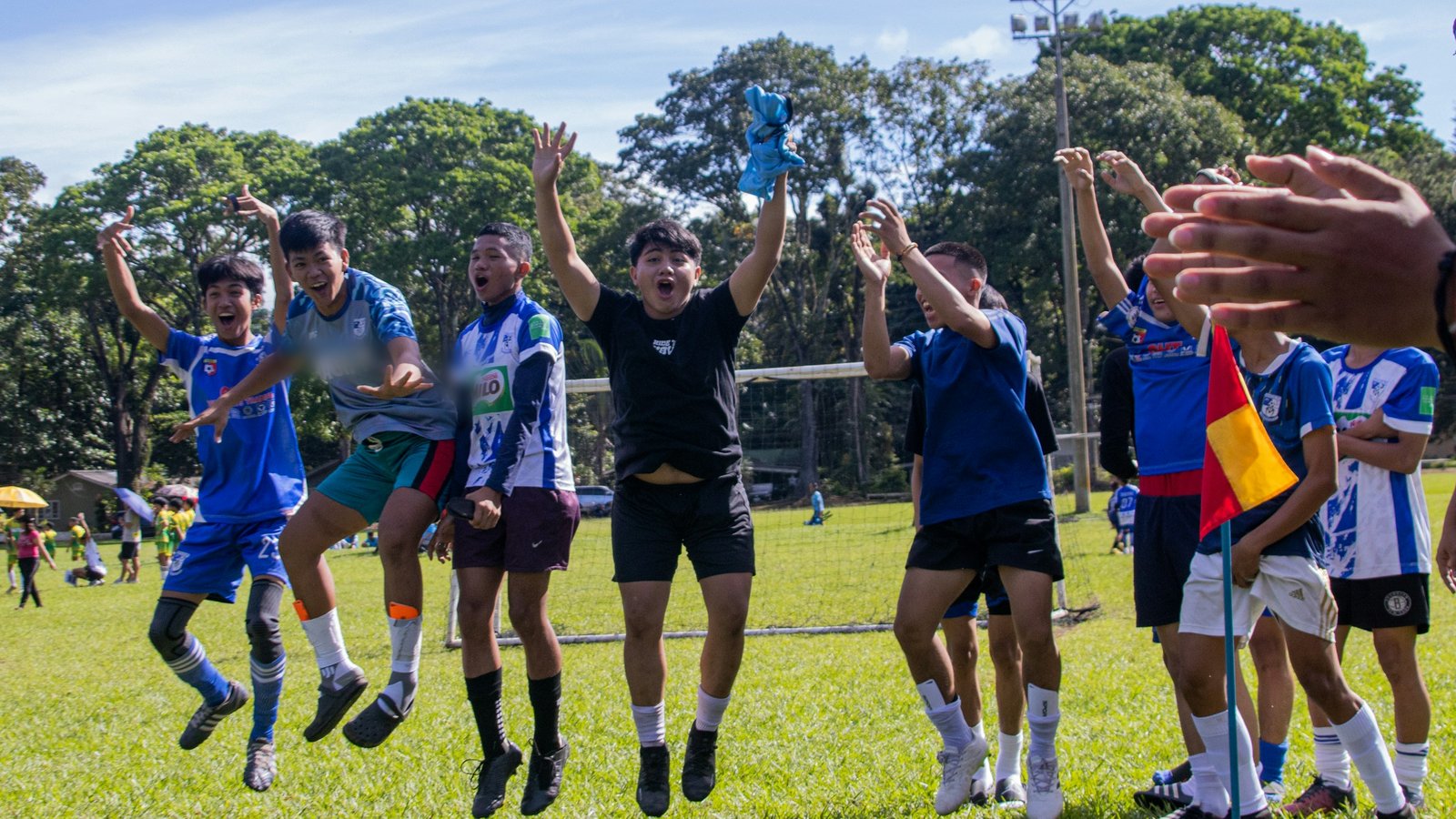
Your own games and training, first. Parents want to see the level, the coaching and their kids. Players want to see themselves. Sponsors want to see an audience. Stock photos and generic quotes do none of that. Real footage from your own field, rink or court does all three.
Even 100 kids under 14 is an audience, because their parents watch and share everything. Put the training footage out there. That's how a small club builds the reach sponsors pay for, and it's how families decide which club or camp to choose.
Other posts that earn their place:
Facebook and Instagram for most clubs, with YouTube for longer highlights. Pew Research found 84% of US adults use YouTube and 71% use Facebook, rising to 80% of 30 to 49 year olds, which is most of your parents. About half of adults use Instagram, and eight in ten adults aged 18 to 29.
How I'd split it:
/Sources: 84% ... 71% ... 80% of 30 to 49 ... half ... eight in ten ... 37%
It does when posts point somewhere. Views on their own don't fill a camp. Footage builds trust, and a clear next step turns that trust into registrations: a link to the camp page, the tryout date, a short form. Every few posts should tell people exactly what's open and how to register.
BC Prep is our clearest example. Its reels, posts and ads got 600K+ views, and it got 400 leads in 6 months at under $7 a lead, plus 175+ camp sign-ups. The views are the start. The leads and sign-ups are what counted.
/Sources: BC Prep case study
Make filming part of practice, not a separate job. Pick one parent, coach or player to film each session on a phone, use a shared folder, and batch the editing once a week. A simple monthly plan, built around your registration dates, means you're never deciding what to post on the day.
A system that works without a full-time person:
Registrations, members and sponsor interest, not likes. Track how many people clicked through to register, how many forms came in from social and which posts drove them. Views and followers are useful early signs, but the payoff is registrations, bookings and revenue.
| Measure | Why |
|---|---|
| Link clicks to registration pages | Shows whether posts lead somewhere |
| Forms and registrations from social | The real payoff |
| Messages asking about programs | Early sign a post is working |
| Views on game footage vs other posts | Tells you what to make more of |
| Sponsor enquiries | Shows your audience is worth paying for |
/Keep reading
More guides for club, academy and facility owners.
