Partnership Announcement
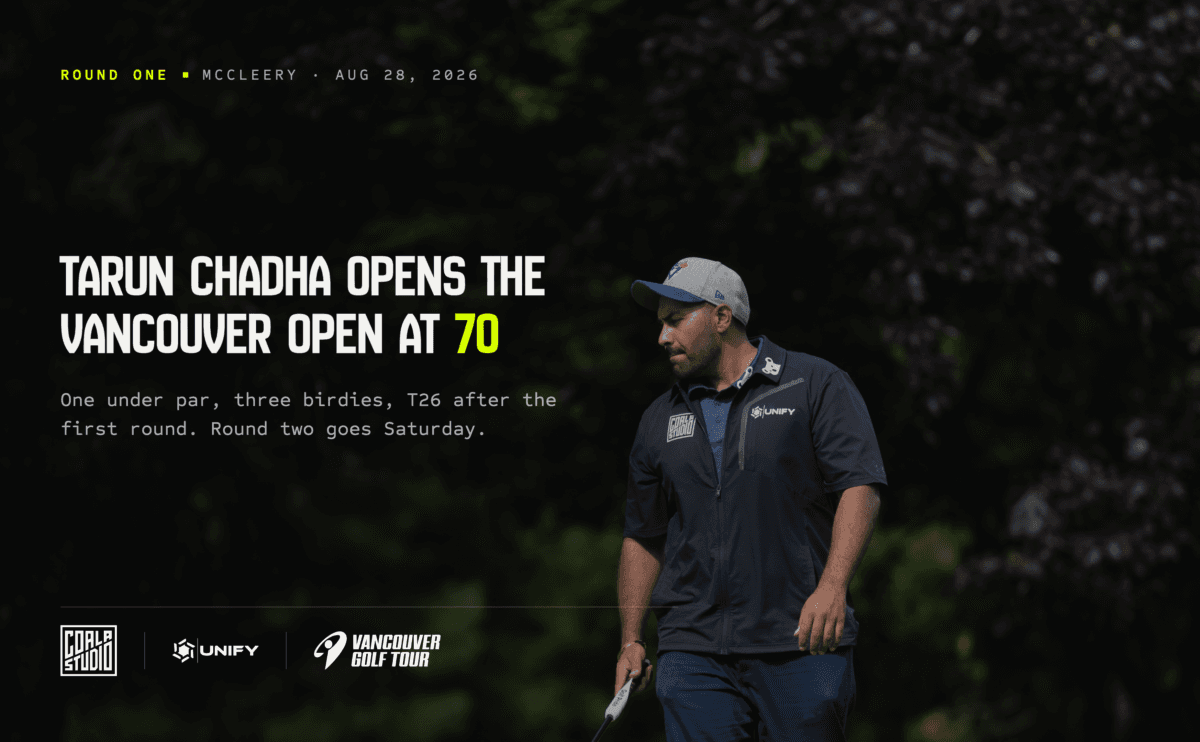
Chadha Opens Vancouver Open With Bogey-Free Back Nine Charge, Sits T26 After Round One
A one-under 70 at McCleery on debut for the Coala Studio and Unify Consulting shirt.
Vancouver, B.C.
August 26, 2026
3 min read
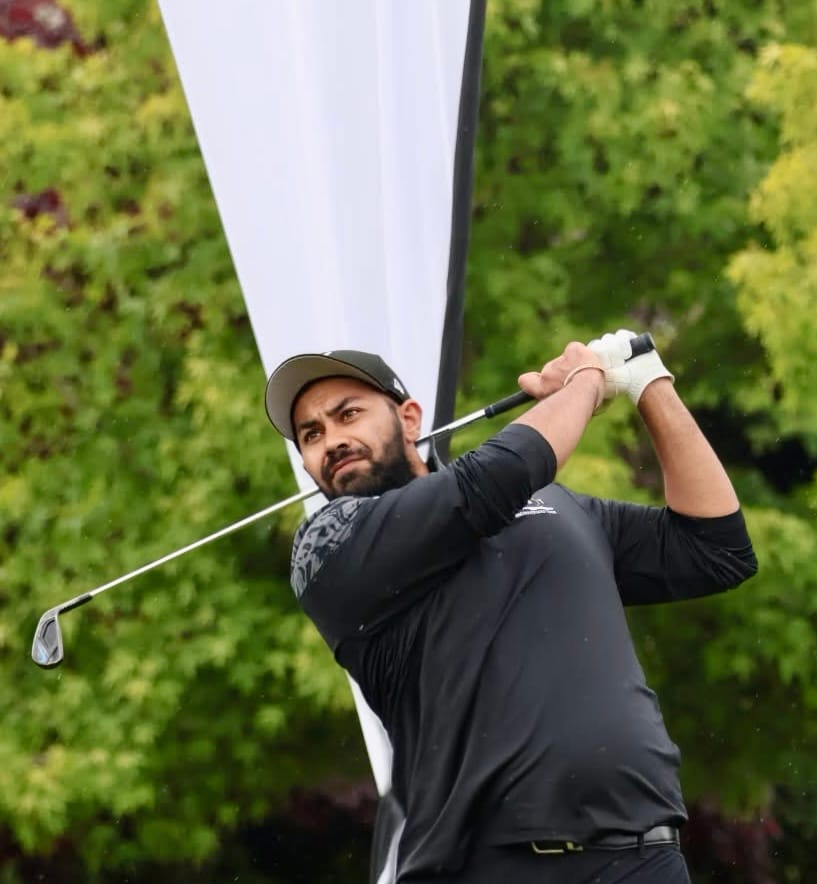
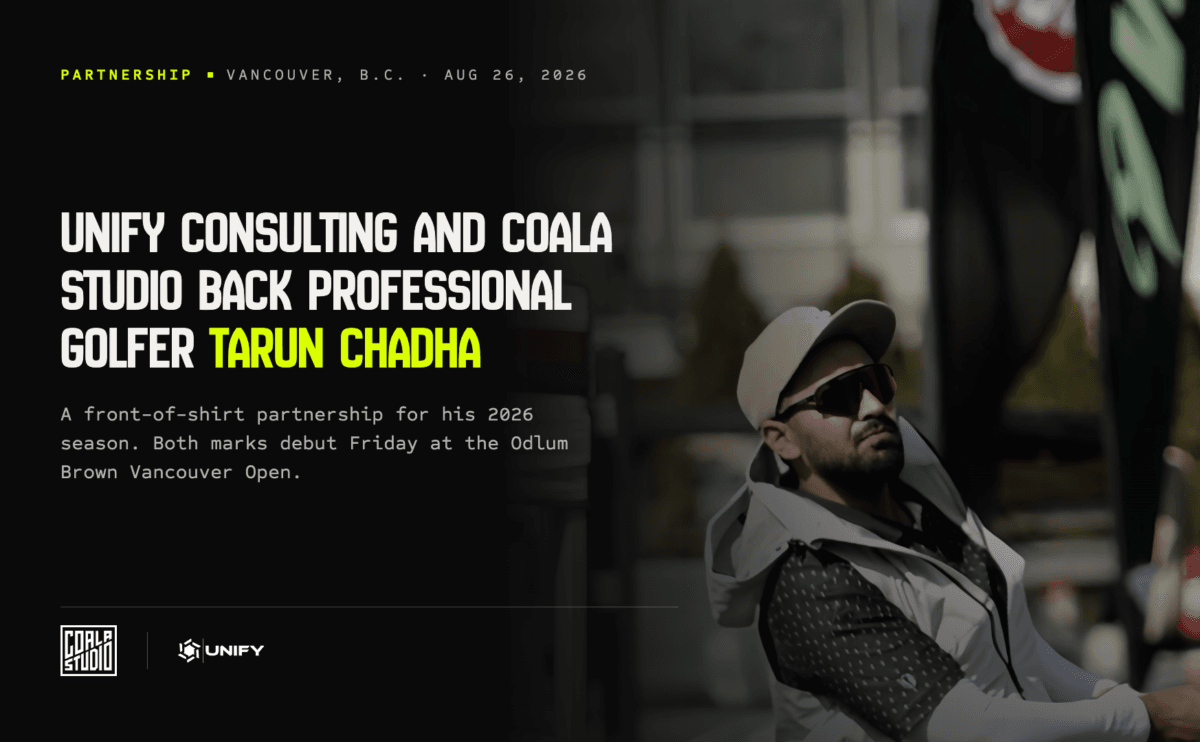
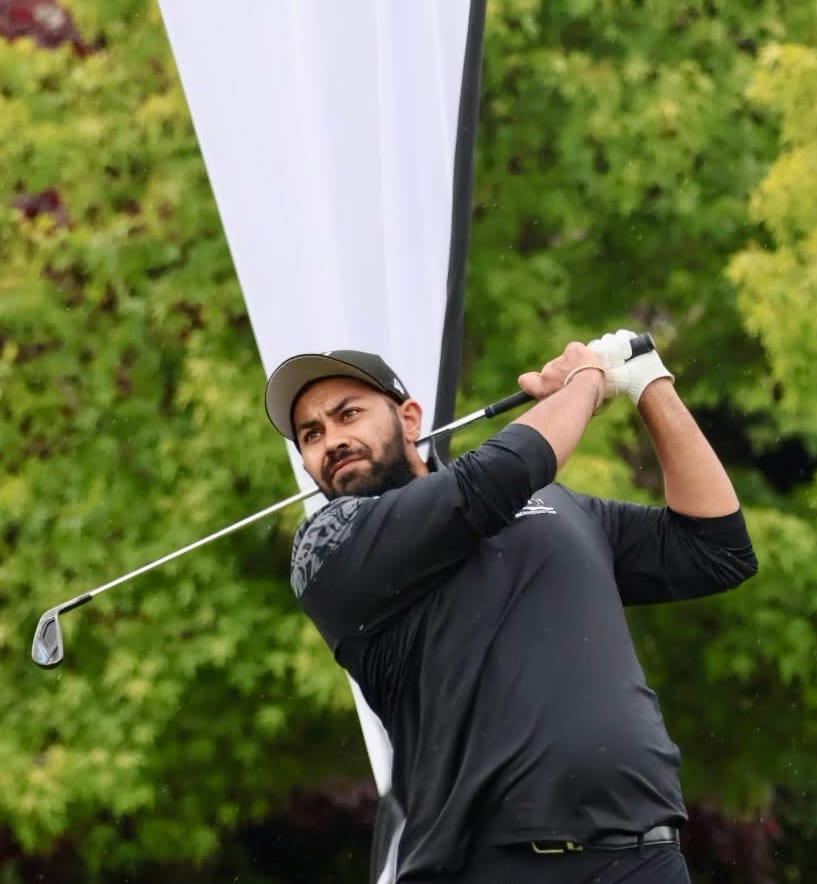
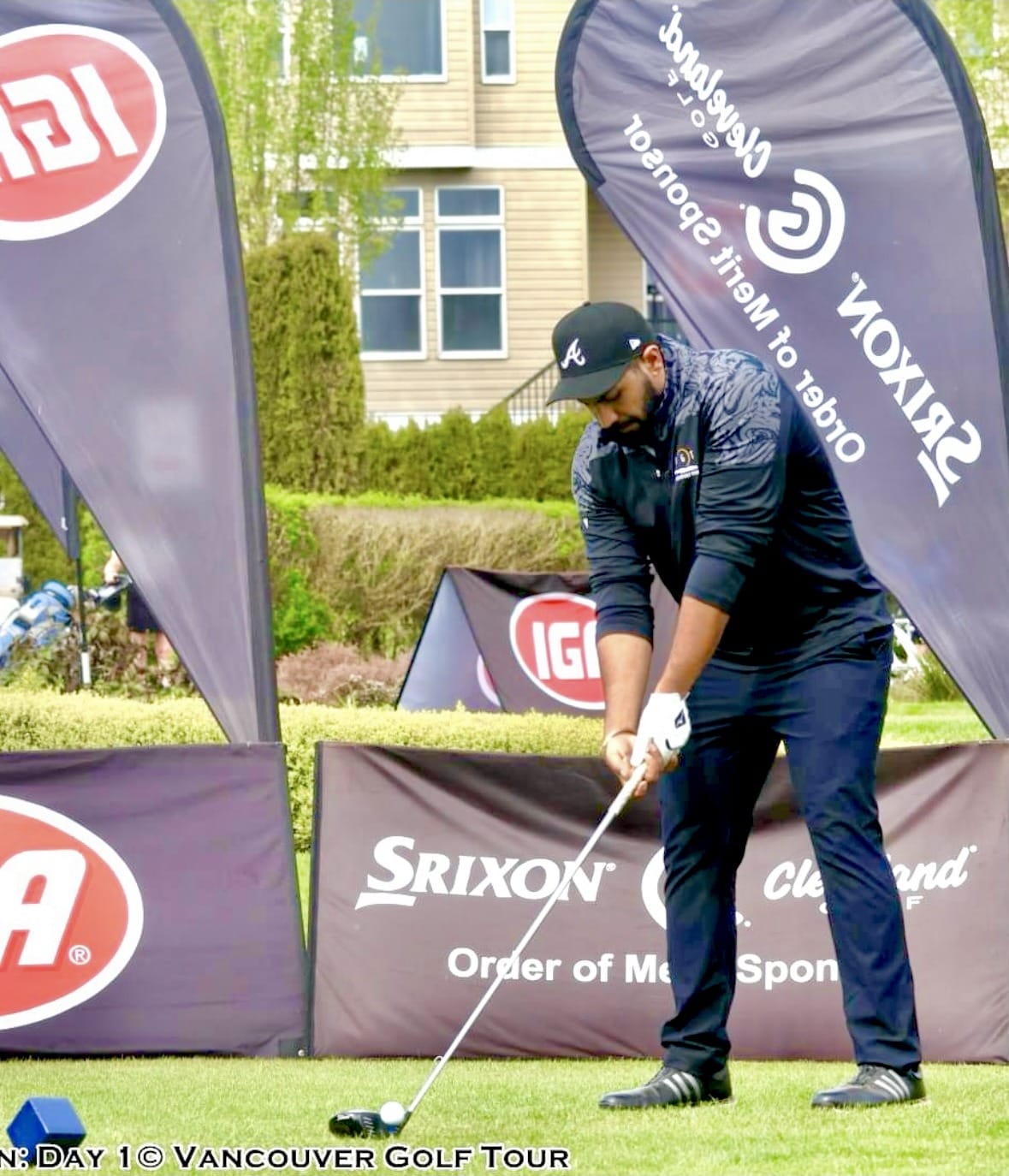
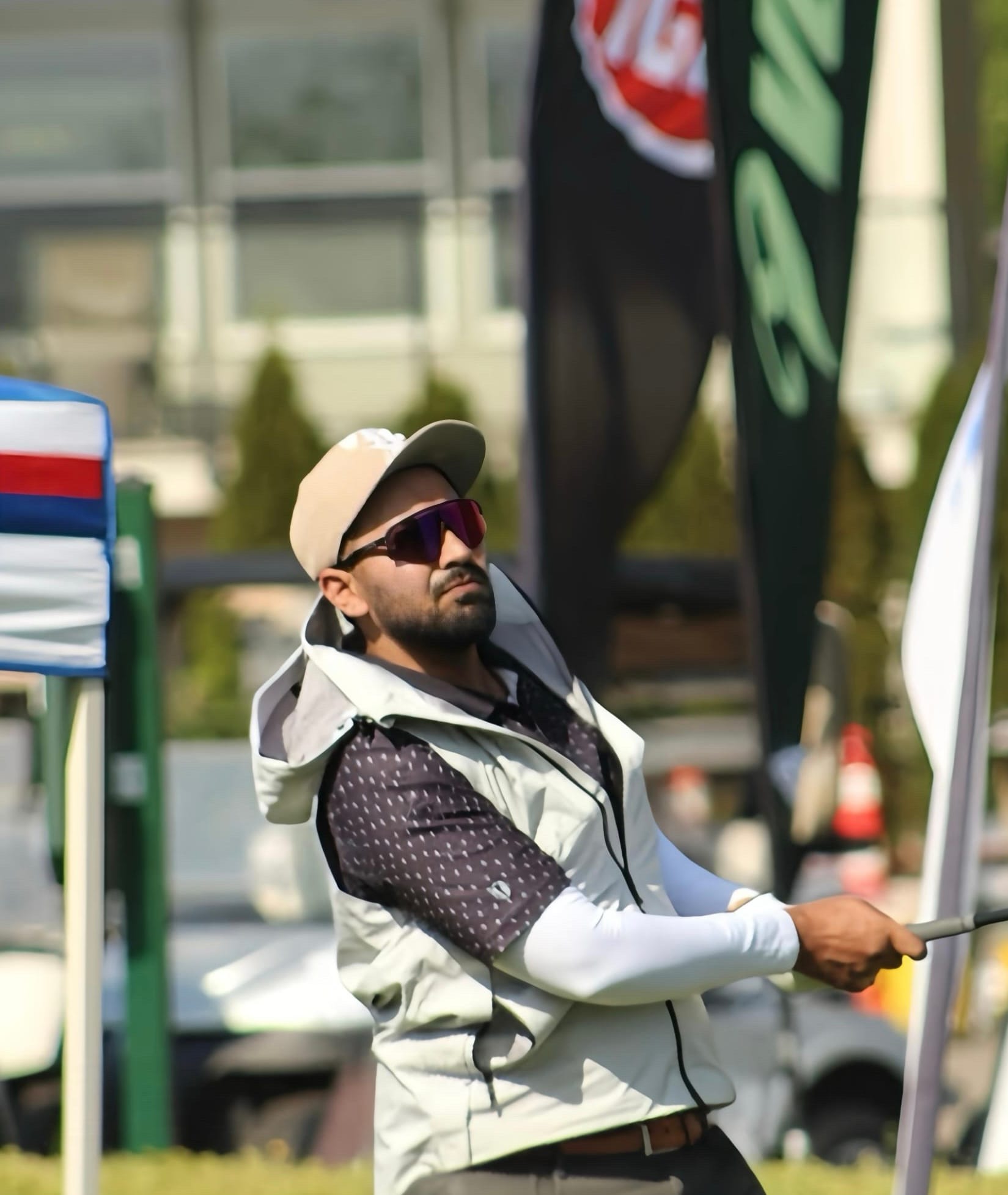
Tarun Chadha opened the Odlum Brown Vancouver Open with a one-under 70 at McCleery Public Golf Course on Friday, leaving him tied for 26th after the first of three rounds.
It was the first time he had worn the Coala Studio and Unify Consulting marks in competition, following the front-of-shirt partnership announced earlier this week.
The round was built on patience rather than fireworks. Chadha made 14 pars, three birdies and two bogeys, and never made worse than a bogey across 18 holes — the kind of scorecard that rarely gets talked about and almost always keeps a player in a tournament.
He turned in even-par 35, having given a shot back at the par-three third and picked it up again with a birdie at the ninth. The best stretch of his day came immediately after: birdies at the ninth, tenth and twelfth put him three-under through 12 and moved him up the board. A bogey at the 13th checked the run, and he closed with five consecutive pars to sign for 70.
"I played some good golf today and I feel pretty confident going into day two,” Chadha said. “A few putts could have gone my way. It was boring golf in a way — but I'm happy with the round."
Tarun Chadha
He turned professional in July after four seasons competing on the Vancouver Golf Tour as an amateur, and this is his second start as a pro following his debut at the Cultus Open.
For his backers, the first day delivered more than a number.
Watching Tarun play today was something else,” said Rounak Sardesai, founder of Coala Studio. “Seeing our name on a pro's shirt at a VGT event was an emotional moment for me. And for him to play the way he did on top of that — I couldn't have asked for more.
Jimmy Hansra, Principal Consultant at Unify Consulting and a former captain of Canada’s national cricket team, watched the round from the course.
Tarun's story is one I've been excited about from the start,” Hansra said. “Watching him hit some of the shots he did today made it clear the effort he puts in is paying off. He's in a competitive position going into the second round, and I wish him the very best
Jimmy Hansra
The championship continues Saturday, with the final round at Fraserview on Sunday.
At a Glance
- Athlete
- Tarun Chadha
- Sponsors
- Unify Consulting & Coala Studio
- Deal Type
- Front-of-shirt sponsorship
- Season
- 2026 Vancouver Golf Tour
- Debut Wearing Marks
- Aug 28, 2026 — Odlum Brown Vancouver Open
- Pro Debut
- July 2026, Cultus Open
Media Contact
For interviews, imagery, or additional comment on this partnership, reach the Coala Studio team directly.
info@coalastudio.ca
(236) 333-1693