Categories
Sports Marketing

Spring Hockey Marketing: How to Fill a Spring Program Before the Season Ends

/Sports marketing guide / Hockey

Spring Hockey Marketing: How to Fill a Spring Program Before the Season Ends
By Rounak SardesaiLast updated November 20265 min read
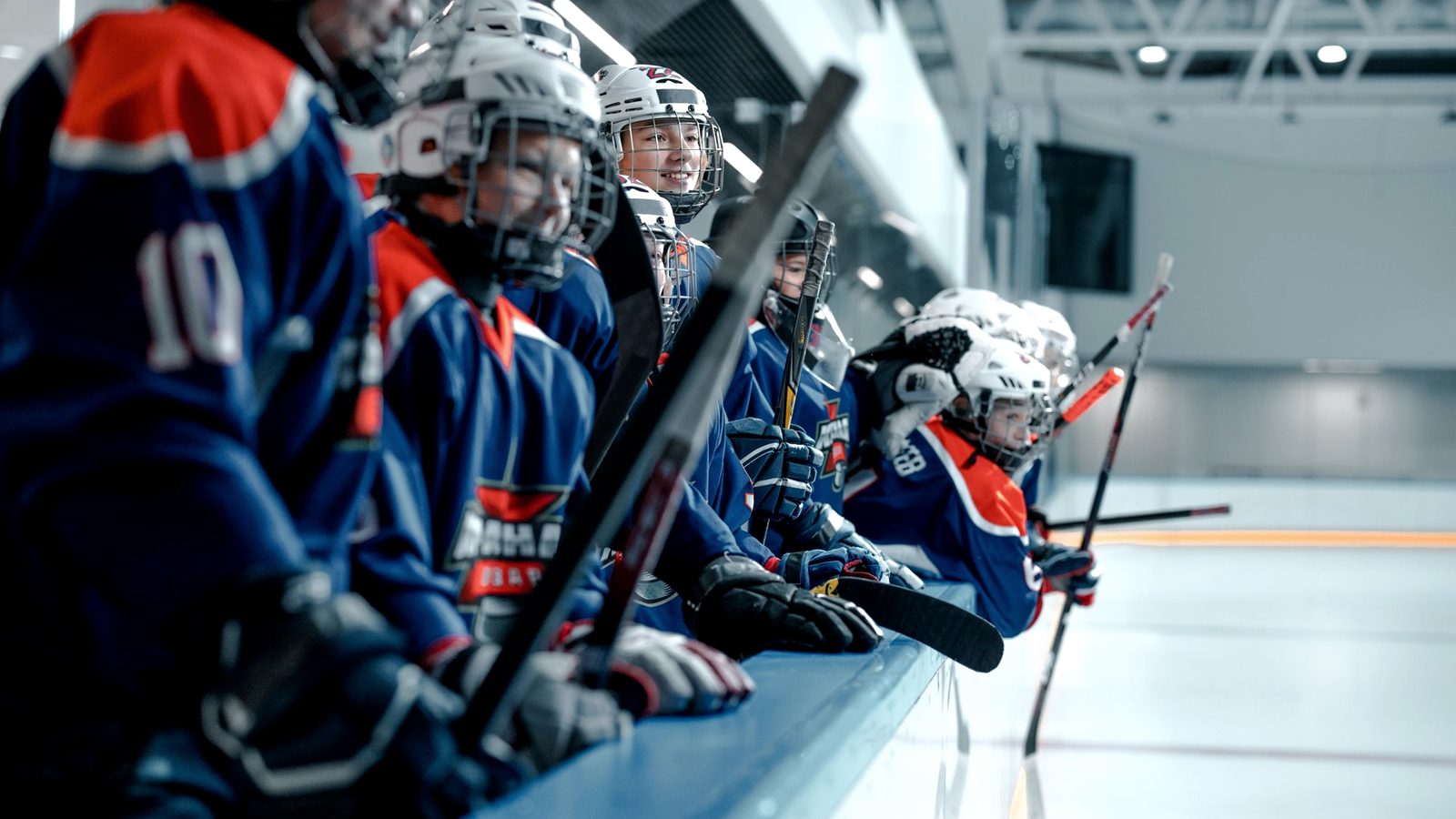
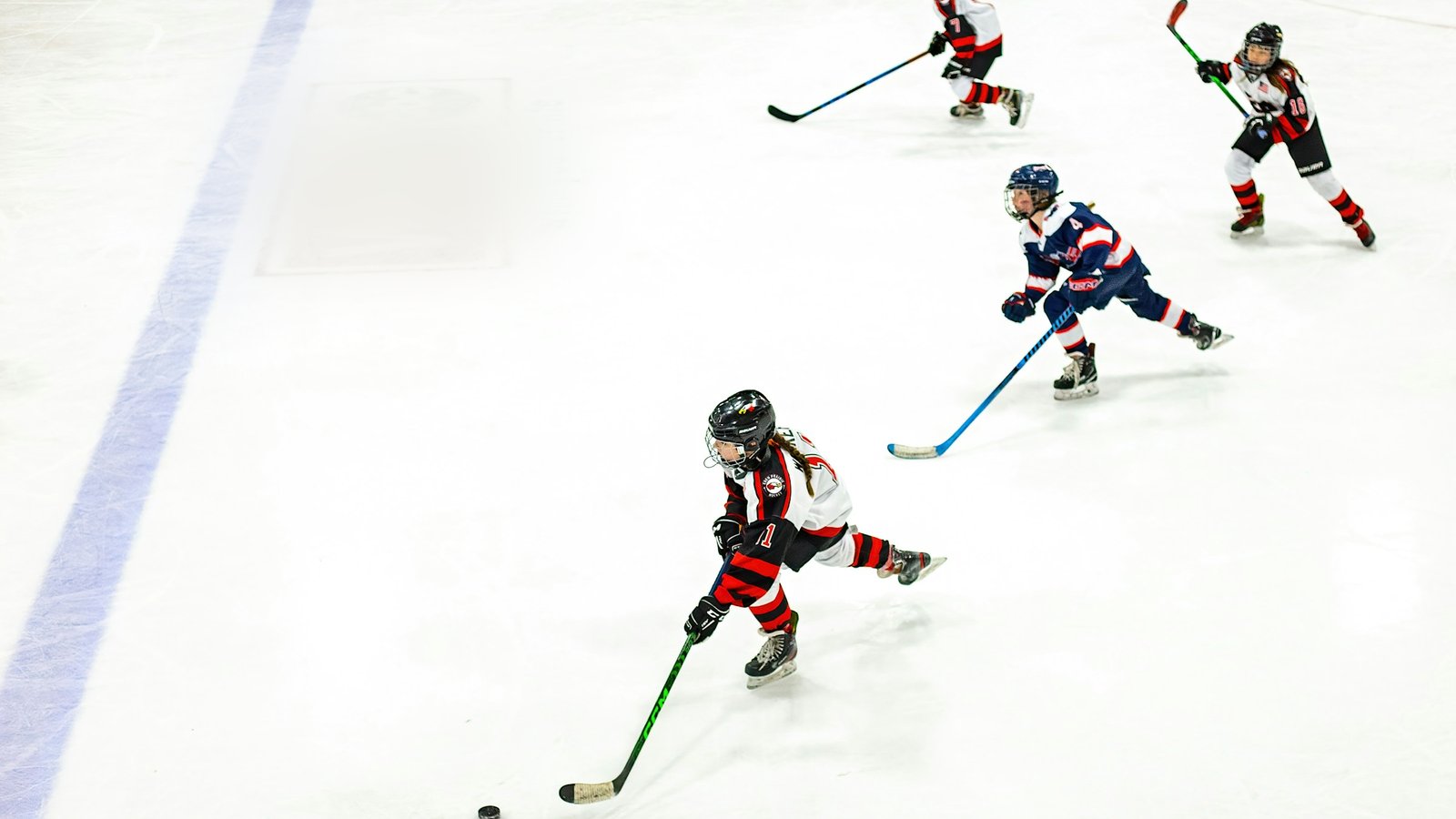
Youth hockey players skating during a spring practice
Spring hockey
The short answer

To fill a spring hockey program, start marketing in January, while families are still deep in the winter season. Collect interest first, run ID skates in February and March, and sell what the player gets out of spring: development, games and being seen. By April, the families who were going to sign up already have.

Rounak's take

I think a spring program should sell what the player gets seen by and gets better at, not the ice hours.

01

When does spring hockey season run?

In Western Canada, the alternate season runs from April 1 to July 15. Hockey Manitoba, BC Hockey, Hockey Alberta and Hockey Saskatchewan set those dates when they standardized spring programming in 2016. Many independent spring programs, like the BCSHL programs run by BCHL teams, play from mid April to the end of June.

That puts your selling window in the middle of the winter season. Minor hockey in Kelowna, for example, runs from September to March. So the families you want are at the rink four times a week with another team, thinking about playoffs, not about May.

What that means for your calendar:

WhenWhat to do
Early JanuaryOpen an interest list and post your spring dates
Late JanuaryAnnounce ID skate or tryout dates
February to MarchRun ID skates and make offers
MarchFinal call, then waitlist
April to JuneFilm everything for next year

/Sources: April 1 to July 15 · mid April to the end of June · September to March

02

What do families actually pay for in a spring program?

They pay for development and exposure. A spring program is a big extra cost on top of a winter season, so parents want to know exactly what their player gets. Show the hours, the games, the coaches and who'll be watching, in that order of importance to them, not yours.

Look at how the BCSHL programs describe themselves. The Langley Rivermen program lists 22 hours on ice, 22 hours of dryland and 12 full-length games, including showcase weekends, at $2,750 plus GST. Every one of those lines answers a parent's question before they ask it.

The cost matters too. Canadian families already pay a median $1,938 a year for hockey, according to the 2026 Jumpstart youth sport report. I've said before that hockey has priced itself out of a lot of Canadian families. Spring programs have to earn their place on top of that, so the value has to be obvious on the page.

/Sources: 22 hours on ice ... $2,750 plus GST · median $1,938

03

How do you market a spring hockey program?

Build a page that answers every parent question, collect interest in January, then use reels from the winter and last spring to sell the ID skate. Follow up with every family that registers interest within a day. Most spring programs don't lose families to a rival. They lose them to silence.

The plan I'd run:

  1. One page with everything on it. Dates, ages, cost, what's included, coaches, showcase dates, the ID skate and a registration button. No PDF to download.
  2. An interest list in January. A short form: player name, birth year, position, current team, parent email and phone.
  3. ID skate dates announced by late January. Give families three or four weeks of notice. They're juggling a full winter schedule.
  4. Reels of last spring. Game clips, a coach explaining one drill, a former player's next step.
  5. Paid ads to parents of the right birth years, within driving distance of the rink, from late January to mid March.
  6. Follow-up the same day. A text and an email after every interest form, then a reminder before the ID skate.
04

Who should you target with spring hockey ads?

Parents of players in the birth years you're running, within a sensible drive of your rink. Most of them follow their kids' team pages and local hockey accounts, so retarget anyone who watched your reels or visited the spring page. Keep the message about the player's next step, not about your facility.

Good targeting signals:

  • Parents who engaged with your reels or visited your spring page in the last 60 days.
  • Families from last year's spring and summer camps.
  • People who follow local minor hockey associations and junior teams.
  • A lookalike of your past registrations, if you have enough of them.
05

What content sells spring hockey?

Game footage and training footage, every time. Parents want to see the level of play, the coaching and the kids having a good time. Post clips from last spring's games and showcases, a coach breaking down one skill, and short interviews with players about what changed for them.

I've said it before: the number one thing clubs don't do is post their game and training footage. Even 100 kids under 14 is an audience, because their parents watch and share everything. A spring program is the easiest place to start, because it's short, intense and full of moments worth filming.

What to film this spring, for next year:

  • Every showcase game, from the stands and the bench.
  • One drill per week, explained by a coach in under a minute.
  • A player talking about what they worked on.
  • The last day: the team photo and the handshake line.

Hockey coach with a clipboard giving instructions to players kneeling on the ice
/Hockey coach with a clipboard giving instructions to players kneeling on the ice
06

How does a spring program help your winter season?

It feeds it. A spring program is often a family's first experience of your coaching, so treat every spring player as a lead for your fall academy or summer camp. Ask for permission to stay in touch, and send them your next intake dates before June ends.

That's the point I keep coming back to: don't sell leads one season at a time. Own the intake calendar. Spring, summer camp and fall tryouts are three windows in one year, and the same family can move through all three. Hockey Canada says retention for players aged 5 to 16 was above 90% in 2024-25, so families who stay in the game are worth planning for over years, not weeks.

/Sources: retention above 90%

07

What should a spring hockey registration page include?

Everything a parent needs to say yes without calling you. That's dates, birth years, cost and what's included, coaches, showcase dates, the ID skate details, the refund policy and a short FAQ. Put the register button at the top and the bottom.

A checklist for the page:

Checklist
  • Program dates and weekly schedule
  • Birth years and divisions
  • Cost, deposit and what's included
  • Coaches, with one line each
  • Showcases and who attends (only if confirmed)
  • ID skate date, time and price
  • Refund and deposit policy
  • A 30-second reel from last spring
  • Register button, top and bottom
FAQ

Questions people ask

When should I start marketing a spring hockey program?
In early January. Open an interest list, announce ID skate dates by late January, and run ID skates in February and March. Most families decide before the winter season ends.
When is spring hockey season?
In Western Canada, the alternate season runs from April 1 to July 15, as set by the four western branches of Hockey Canada in 2016. Many independent spring programs play from mid April to the end of June.
What should a spring hockey program include?
Families look for ice hours, dryland, games and coaching. One BCSHL program lists 22 hours on ice, 22 hours of dryland and 12 games for $2,750 plus GST.
How do you get more players for spring hockey?
Collect interest in January, show game and training footage from last spring, run paid ads to parents of the right birth years near your rink, and follow up with every family the same day.

Planning your spring and summer intake?

Categories
Sports Marketing

Spring Soccer Registration: How to Fill Your Club Before the Deadline

/Sports marketing guide / Soccer

Spring Soccer Registration: How to Fill Your Club Before the Deadline

By Rounak SardesaiLast updated November 20264 min read
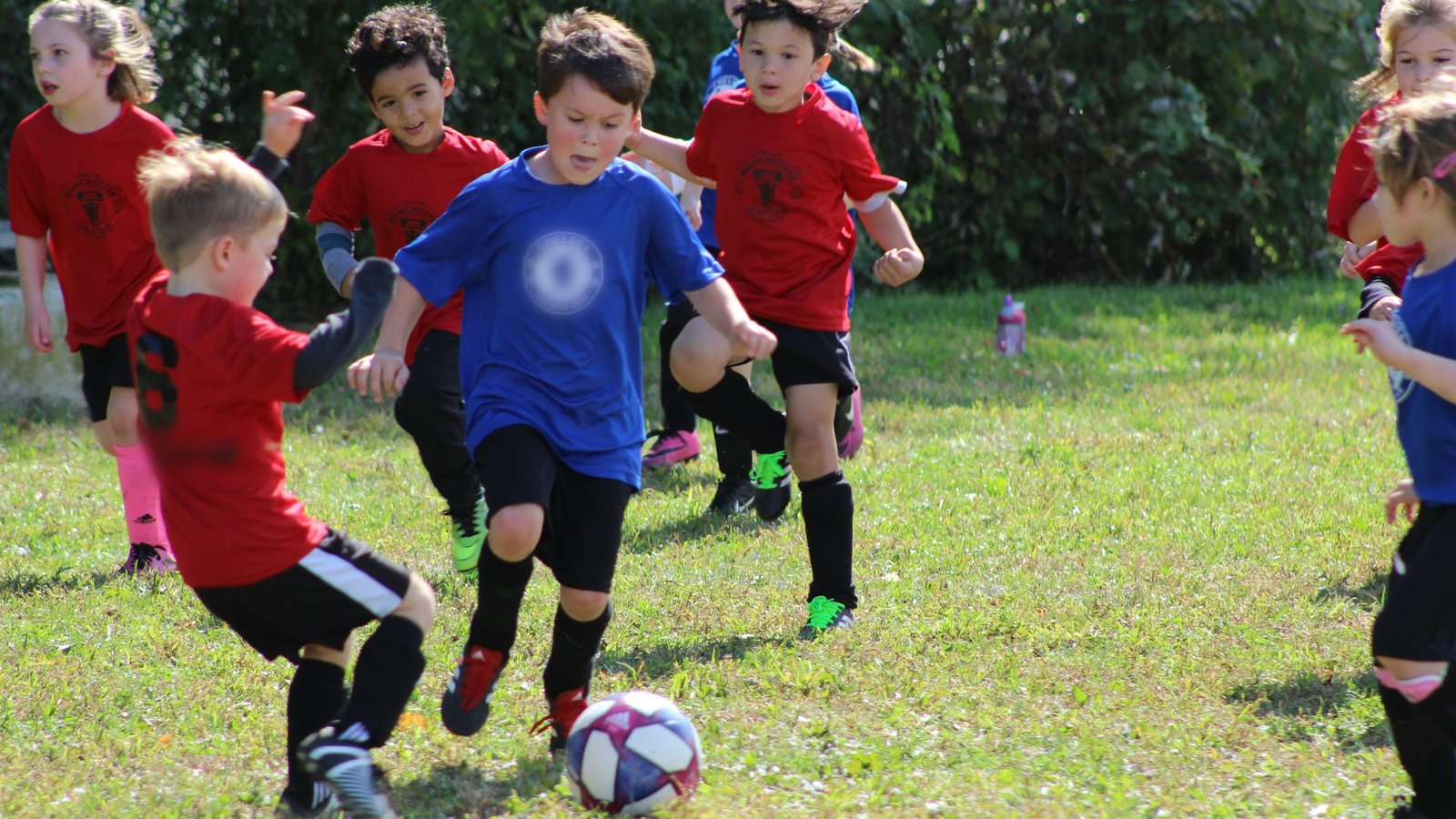
Young kids playing youth soccer on a sunny spring day
Soccer
The short answer

To fill spring soccer registration, open it in December, set a clear early-bird deadline, and make the registration page easy for a family who has never played with you. Then remind returning families before the deadline, run local ads to new parents in January and February, and answer every question the same day.

Rounak's take

I think the deadline does more work than the discount. Families need a date to act on.

01

When does spring soccer registration open?

For many clubs, in December. Surrey United in BC, for example, ran its 2026 spring early bird from December 1 to 31, with a registration deadline of March 1 and a season from April to June. If your registration opens in March, the families who plan ahead have already signed up somewhere else.

Fall soccer runs on a similar lead time. In Minnesota, for example, Hopkins-Minnetonka's fall youth soccer registration closed on July 12, 2025, with practices starting the week of August 18. Families decide about two months ahead.

A spring timeline that works:

WhenWhat to do
Late NovemberTell returning families the dates and early-bird deadline
December 1 to 31Early-bird registration
January to FebruaryAds to new families, reels, "spots left" by age group
By March 1Registration closes. Waitlist after that
April to JuneSeason. Film games and training for next year

/Sources: Surrey United · Hopkins-Minnetonka

02

Why is youth soccer registration growing?

Because it's the sport a lot of families can afford. The 2026 Jumpstart youth sport report put the median cost of soccer at $450 a year in Canada, against $1,938 for hockey, and found 50% of kids playing soccer compared with 22% in hockey. I think soccer wins the families hockey priced out.

That doesn't mean the families come to you on their own. In the US, the Aspen Institute found regular soccer participation among kids aged 6 to 12 fell 3% from 2019 to 2024, while flag football closed the gap. Families have choices. The club that's easiest to join wins.

/Sources: $450 ... $1,938 ... 50% ... 22% · fell 3%

03

Do early-bird discounts work for spring soccer?

The deadline works more than the discount does. A family needs a reason to register now instead of "sometime before spring." A clear early-bird date gives them one. Keep the offer simple, say the date everywhere, and send a reminder a few days before it ends.

How I'd run the early bird:

  1. One date, everywhere. On the page, in every email, in every post: "Early bird ends December 31."
  2. A reminder 7 days before and another 2 days before.
  3. A clear "after" price. Families should see what it costs after the deadline.
  4. No extensions. If you extend it once, nobody believes the next one.
04

What should a soccer registration page include?

Everything a new family needs to register without emailing you: age groups by birth year, season dates, practice nights and locations, game days, price and what it covers, uniform details, the refund policy and who coaches. Put the register button at the top and the bottom.

I'd bet a lot of club registration pages are written for families who already know the club. A new parent wants to know three things fast: which group my kid is in, which nights, and how much. Answer those in the first screen.

A checklist:

Checklist
  • Age groups with birth years
  • Season dates
  • Practice nights, times and fields
  • Game days and how far teams travel
  • Price, early-bird price and deadline
  • What's included (uniform, ball, insurance)
  • Refund and withdrawal policy
  • Coaches or how coaches are chosen
  • A 30-second reel of last season
  • Register button at the top and bottom
Parent and young child kicking a soccer ball at the park
/Parent and young child kicking a soccer ball at the park
05

How do you get new families to register for spring soccer?

Ask your current families to bring a friend, then run local ads to parents of the right ages in January and February, using real footage from your games and training. Send everyone to one page per age group or program. Then follow up the same day.

What works:

  • Referrals from current families. A simple "bring a friend" message before the early bird ends.
  • Local ads to parents within driving distance of your fields. Facebook is used by 80% of adults aged 30 to 49 in the US, according to Pew Research. That's the age of a lot of soccer parents.
  • Game and training footage. I've said it before: the number one thing clubs don't do is post it. Parents watch and share their kids' clips, and new parents see what the club is like.
  • Same-day follow-up. Leads come in and nobody follows up. That's usually the leak, not the ad budget.

/Sources: 80% of US adults aged 30 to 49

06

Who should you target with spring soccer ads?

Parents of kids in your age groups who live near your fields. Start with families who already know you, then widen. Spring soccer is a local decision, so a tight radius and the field names in the ad do more than a clever line.

Good targeting signals:

  • Current and past families, and their friends through a referral message.
  • People who visited your registration page or watched your reels in the last 60 days.
  • Parents within a short drive of your fields.
  • Families from your camps and clinics.

Say the age groups, the season dates and the early-bird deadline in the ad itself.

07

Should a club cap age groups or run a waitlist?

If your fields or coaches limit how many teams you can run, yes. Publish the number of spots per age group, update it when groups fill, and open a waitlist the moment one does. "Spots left" is honest, and it gives families a real reason to register before the deadline.

A waitlist is also a lead list. When a spot opens, or when you add a team, those families hear first.

08

How do you keep spring players for the fall?

Ask before the spring season ends. Tell families your fall dates, tryout or registration dates and early-bird deadline in May, while their kid is still loving it. A family that's already with you is the easiest registration you'll get all year.

That's what owning the intake calendar means. Spring, fall and any summer camp are separate windows, and the same family can move through all of them with you if you plan them together.

FAQ

Questions people ask

When does spring soccer registration open?
Many clubs open in December. Surrey United, for example, ran its 2026 spring early bird from December 1 to 31, closed registration on March 1 and played from April to June.
How do soccer clubs get more registrations?
Open early, set a clear early-bird deadline, build a registration page a new family can understand in one screen, ask current families to refer friends, run local ads with real footage and follow up the same day.
Do early-bird discounts work for youth soccer?
The deadline matters more than the size of the discount. Use one clear date everywhere, remind families before it ends and never extend it.
How much does youth soccer cost in Canada?
The 2026 Jumpstart youth sport report put the median at $450 a year for soccer, compared with $1,938 for hockey.

Filling registration for your club or academy?

Categories
Sports Marketing

How to Market Youth Sports Tryouts (and Fill Them)

/Sports marketing guide / Clubs And Academies

How to Market Youth Sports Tryouts (and Fill Them)

By Rounak SardesaiLast updated November 20264 min read
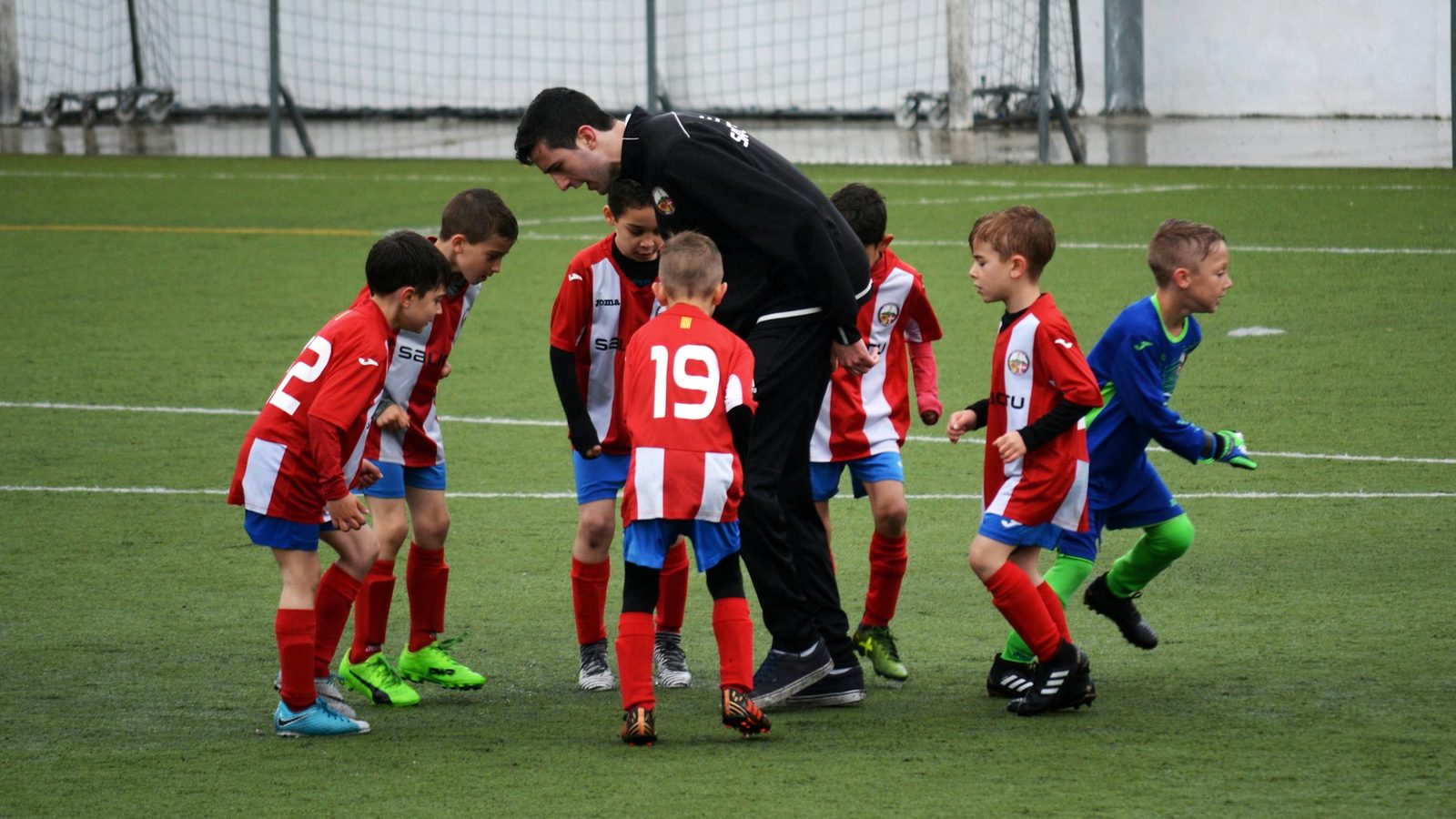
Soccer players in training pinnies waiting for a drill with their coach
Tryouts
The short answer

To fill youth sports tryouts, post the dates months ahead, give families one page that answers every question, and promote the tryout as a chance to see your coaching, not just a test. Then follow up with every player who attends, including the ones you don't select. They're next season's registrations.

Rounak's take

I think a tryout is the best marketing event a club runs all year. Treat it like an open house, not an exam.

01

When should a club announce tryout dates?

As early as your league's rules allow, and at least six to eight weeks before the first session. Families plan around school, other sports and holidays. In Kansas, for example, the state youth soccer association's 2026-27 rules let clubs advertise tryout dates from January 1, with tryouts starting June 5.

Every sport and region runs its own calendar:

ProgramTryout timing
Kansas youth soccer (KSYSA, 2026-27)Advertise from 1 Jan; tryouts from 5 Jun
Toronto FC Academy open tryouts20 to 23 Jul 2026, once a year
Kelowna Minor Hockey rep teamsEnd of August
BCSHL spring hockey (BCHL teams)Before an April start

Find your league's window, then work back from it. Announce the dates the first day you're allowed to.

/Sources: KSYSA · TFC Academy · Kelowna · BCSHL

02

What should a tryout page include?

Everything a parent needs to register without emailing you: dates, times, birth years, location, cost, what to bring, how selection works, when results come out and what the season costs if they're selected. The last two are the ones clubs leave out, and they're the ones parents worry about most.

Toronto FC's open tryout page is a good model. It lists the dates, the eligible birth years, the $50 fee, how to register and when the first releases are made. No guessing.

Checklist:

Checklist
  • Dates, times and location for each age group
  • Birth years or divisions
  • Tryout fee, if any
  • What to bring and what to wear
  • Who's evaluating, with one line each
  • How and when players hear back
  • Season cost and commitment if selected
  • A short reel of your teams playing
  • Register button, top and bottom
03

How do you get more players to come to tryouts?

Start with the families who already know you, then show new families what your club looks like. Email and text past players, camp families and your interest list first. Then post game and training footage, run ads to parents of the right birth years nearby, and give your current families a link to share.

The order I'd run it in:

  1. Your own players and camp families, by email and text, the day dates go live.
  2. A share link for current families. Their friends are your best prospects.
  3. Reels of your teams and coaches. Game clips, a drill, a player's progress.
  4. Paid ads to parents of the right birth years, within a sensible drive, for the four weeks before tryouts.
  5. A free ID clinic or open session a few weeks before, where your league's rules allow it. In Kansas, these have to be advertised publicly at least 14 days ahead.

The number one thing I see clubs not doing is posting their game and training footage. Parents want to see the level, the coaching and whether the kids are having fun. That footage is your tryout ad.

04

How do you make tryouts feel welcoming, not stressful?

Tell families exactly what will happen, then do it. Send a schedule the week before, have someone greet players at the door, explain how evaluation works and say when results come out. A family that has a good experience at your tryout talks about your club, whether their kid makes it or not.

Small things that make a big difference:

  • A welcome email 3 days before, with the schedule and parking.
  • Name tags or numbered pinnies ready at check-in.
  • A coach talking to parents for five minutes at the start.
  • Results on the day you said, by the method you said.
Coach giving instructions to a young player during a drill
/Coach giving instructions to a young player during a drill
05

What should you do after tryouts?

Follow up with every player within 48 hours, including the ones you cut. Selected players need their offer, the season cost and a deadline. Players you don't select need a kind message and a next step: a development group, a camp or a skills program. Most clubs send nothing to that second group.

Leads come in and nobody follows up. That's usually the leak, not ad spend. At tryouts, the leak is the players you didn't pick. Their families have already shown up, paid a fee and given you an evening. Offer them something.

A follow-up plan:

  1. Selected: an offer with the season cost, what's included and a deadline. A reminder before it expires.
  2. Not selected: a personal note, one thing to work on, and an invitation to your development program or next camp.
  3. No-shows who registered: a message with the next date or a make-up session.
  4. Everyone: add them to your intake calendar for the next season.

Some leagues give families time to change their minds. Kansas youth soccer gives players 72 hours to withdraw an acceptance without penalty, so keep in touch during that window.

06

How do you know if your tryout marketing worked?

Count registrations for the tryout, attendance on the day and signed players afterwards, by age group. Then compare with last year. If registrations were up but attendance was down, your reminders need work. If attendance was strong but signings were weak, look at your offer and follow-up.

MeasureWhat it tells you
Tryout registrations by age groupWhether your promotion reached the right families
Attendance rateWhether your reminders worked
Offers acceptedWhether your offer and price were clear
Non-selected players who joined another programWhether your follow-up is working
Cost per registration from adsWhether to spend more next time
FAQ

Questions people ask

When should a club announce tryout dates?
As early as your league allows and at least six to eight weeks before the first session. Some associations set a date: Kansas youth soccer let clubs advertise 2026-27 tryouts from January 1.
How do you get more kids to come to tryouts?
Invite past players and camp families first, give current families a link to share, post game and training footage, and run ads to parents of the right birth years nearby for the four weeks before.
What should a tryout page include?
Dates, times, birth years, location, fee, what to bring, who evaluates, when results come out, and the season cost if selected.
What should you do with players you don't select?
Send a personal note within 48 hours with one thing to work on, and invite them to a development group, camp or skills program. They're next season's registrations.

Want help filling tryouts, camps and registrations?

Categories
Sports Marketing

How to Market a Soccer Academy (and Fill Every Season)

Sports marketing guide · Soccer
The short answer

To market a soccer academy, plan around your registration windows, post match and training footage every week, give each program its own page, and follow up every parent the same day. Soccer is the most played youth sport in Canada, so the families are there. You win by being the academy they've been watching when registration opens.

I think soccer academies are about to win a lot of families hockey has priced out. The ones that market like it will take them.

Is soccer academy marketing worth it right now?

Yes. Soccer has the biggest youth audience in Canada and one of the lowest costs for families. The 2026 Jumpstart youth sport report found 50% of Canadian kids in organized sport play soccer, against 22% for hockey. The median annual cost was $450 for soccer and $1,938 for hockey.

That gap matters. Families are watching their budgets, and soccer is the easy yes. In BC, membership in provincial sport organizations grew from nearly 600,000 in 2020 to 718,000 in 2025, according to the provincial government.

The US is less simple. The Aspen Institute's State of Play 2025 report says regular soccer participation among kids 6 to 12 fell 3% between 2019 and 2024, while flag football closed the gap. So in the US, you're competing harder for each family.

When should a soccer academy market each season?

Start each campaign 6 to 10 weeks before registration opens, and treat the early bird as your launch. For more tips, see our guide to spring soccer registration. Most northern clubs run a spring season, a summer camp season and a fall season, with winter futsal or indoor training in between. Each one needs its own campaign.

Here's a real example. Surrey United's 2026 spring season ran an early bird from 1 to 31 December 2025, with a 1 March deadline and play from April to June. In Minnesota, the Hopkins-Minnetonka fall league closed registration on 12 July 2025 and started practices the week of 18 August. Fall registration is a summer job.

SeasonRegistration window (typical)Start the campaign
Spring (Apr to Jun)Dec to MarLate October
Summer campsJan to MayNovember
Fall (Sep to Nov)Apr to JulFebruary
Winter futsal or indoorSep to NovJuly

Your dates will differ. For the full month-by-month view across sports, see our youth sports registration calendar.

What content should a soccer academy post?

Match and training footage, every week. It's the number one thing I see clubs and academies not doing. Even if it's a hundred kids under 14, put their footage out there, because their parents are interested and their parents will share it. That's free reach into exactly the families you want.

Build a weekly rhythm:

  1. Match day: two or three goals or saves, posted the same day.
  2. Midweek: one drill from training, 20 to 30 seconds.
  3. Coach clip: one tip a parent can use in the backyard.
  4. Player spotlight: a short story about one player's progress.
  5. Program post: what's open now, the date and the link.

Tag families when you can and keep sponsors' logos visible. That footage is also what you show a sponsor.

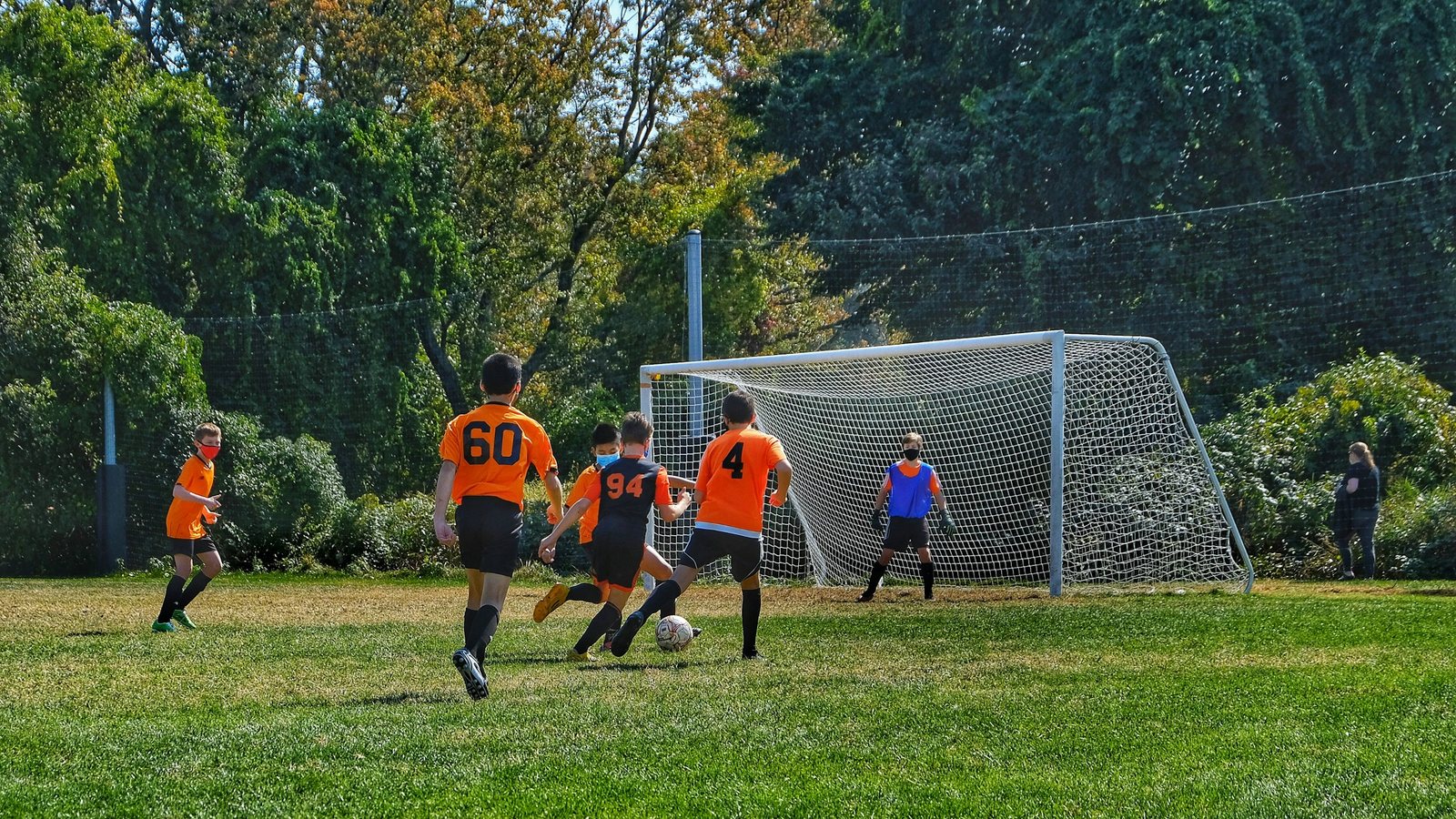
Young soccer players attacking the goal as the keeper waits on a sunny field

How do you get more registrations for a soccer academy?

Give every program its own page, run ads in the window, and make registering take two minutes. A parent who sees your reel and lands on your homepage has to hunt. A parent who lands on "U9 to U12 spring development, starts 6 April, register here" just registers.

Each program page needs:

  • The age group, dates, times and location.
  • The price and what's included.
  • Who coaches it, with a photo.
  • One short video of a session.
  • Two parent reviews.
  • One form or one registration link.

Then run Meta ads to parents within a sensible drive, and Google search ads for "soccer academy near me" and "[city] youth soccer". Retarget anyone who visited the page and didn't register.

How should a soccer academy follow up with parents?

The same day. Leads come in and nobody follows up, and that's usually the real leak, not the ad spend. A parent who asks a question on Monday and hears back on Friday has already registered somewhere else.

A simple sequence works:

  1. Within an hour: a personal reply that answers the question and gives the next date.
  2. Day 2: an invite to a free trial session or open training.
  3. After the trial: a call or text the same evening, with the registration link.
  4. Before the deadline: one reminder with the date.

Track every family in one place, even a shared spreadsheet, so nobody slips through when registration gets busy.

How do you keep soccer families coming back?

Make the next season easy to say yes to. Open re-registration for current families before the public, give them a short window and a small perk, and show them what their kid will work on next. Retention is cheaper than finding a new family.

A few things that help:

  • A progress note or short video for each player at the end of the season.
  • Early access to the next season's spots.
  • A sibling or bring-a-friend offer.
  • A season-end event families want to post about.

What results can a soccer academy expect from marketing?

It depends on your budget, your follow-up and your season. We report in registrations and revenue, not likes. As an example of what a full-season plan can do in youth sports, our work with BC Prep brought in 400 leads in 6 months at under $7 a lead, plus 175+ camp sign-ups.

The short version

Plan around your registration windows. Post match and training footage every week. Give each program its own page. Follow up the same day. And open re-registration early for the families you already have.

Sources
Coala Studio · Sports marketing

Want help with your next window?

We're a sports marketing agency that fills tryouts, camps and memberships around each club's season. On a 30-minute call we'll look at your next window and tell you what we'd build first. If it's something you can do yourselves, we'll say so.

30-minute call · free
See how we work
Questions

Questions, answered

How do I market a soccer academy?

Plan around your registration windows, post match and training footage every week, give each program its own page, run ads in the window and follow up every parent the same day.

When should a soccer academy start marketing spring registration?

In late October. Many clubs open spring early-bird registration in December, so your campaign needs to be running before then.

What should a soccer academy post on social media?

Match and training footage every week, plus coach tips, player spotlights and a clear post about what's open now.

How do I keep families registering every season?

Open re-registration for current families first, give them a short window and a small perk, and show each player's progress at the end of the season.

Categories
Sports Marketing

Marketing Automation for Sports Clubs: Follow Up Every Registration Lead

/Sports marketing guide / Follow-Up

Marketing Automation for Sports Clubs: Follow Up Every Registration Lead

By Rounak SardesaiLast updated November 20264 min read
Coach checking a message on his phone at the field with an athlete
Follow-up
The short answer

For a sports club, marketing automation means every parent who asks about a program gets a reply in minutes, a reminder before the deadline and a nudge if they go quiet, without a coach typing each message at 10pm. Automate the timing and the reminders. Keep the phone call and the welcome human.

Rounak's take

I think automation should make the first reply instant and the second one human.

01

What is marketing automation for a sports club?

It's a set of messages that go out on their own when a family does something: fills in a form, registers, misses a deadline or finishes a season. The point isn't to send more email. It's to make sure no inquiry sits unanswered and no family misses a date because nobody reminded them.

A club already has the moments that need a message. Automation just makes sure they're never missed:

  • Someone fills in an interest or tryout form.
  • An early-bird deadline is a week away.
  • A family registers.
  • A camp or season ends.
02

Why does fast follow-up matter so much?

Because interest fades fast. A Harvard Business Review audit of 2,241 US companies found only 37% replied to an online lead within an hour, the average reply took 42 hours, and 23% never replied at all. A separate study in the same article found firms that contacted leads within an hour were nearly seven times as likely to qualify them.

That research is about businesses in general, not clubs, and it's from 2011. But the idea holds for any parent filling in a form at night. I've said it many times: leads come in and nobody follows up. That, not the ad budget, is usually the leak.

/Sources: HBR, "The Short Life of Online Sales Leads" (Oldroyd, McElheran and Elkington, March 2011) · figures as reported by SmartCompany (30 Jun 2011)

03

What should a club automate first?

The reply to a new inquiry. When a parent fills in a form, they should get a text and an email within minutes with the dates, the price and a link to register. Then a reminder a few days later if they haven't registered, and one more before the deadline.

The five automations I'd set up, in this order:

  1. Instant reply to every form. Text plus email: thanks, the key details, the register link, and a name to contact.
  2. Reminder after 3 days if they haven't registered.
  3. Deadline reminders 7 days and 2 days before the early bird or registration closes.
  4. Welcome sequence after registration. What to bring, where to go, who the coach is.
  5. End-of-season message. Next season's dates and a priority link, sent before the last session.

That's it for most clubs. Five sequences cover the whole year.

04

What should the first automated reply say?

Everything a parent needs to take the next step, and a real name. Keep it short enough to read on a phone. Thank them, give the dates and price, link to the registration page, and tell them who will call if they have questions.

An example text, for a summer camp inquiry:

Hi Sarah, thanks for asking about our U11 summer camp. It runs July 6 to 10, 9am to 3pm, and the early-bird price ends March 1. Register here: [link]. Coach Daniel will call you this week if you have questions.

The email can carry more: the daily schedule, what to bring and a short reel from last year. Use the parent's and player's names, and send it from a person, not from "noreply."

05

Which forms should start an automation?

Every form a parent can fill in. That usually means the interest or inquiry form, the tryout or ID skate sign-up, the camp registration, and any "notify me" list for a program that isn't open yet. If a form doesn't trigger a reply, it's a form that loses families.

A quick audit:

  1. Fill in every form on your website yourself.
  2. Time how long the first reply takes.
  3. Check the reply has dates, price and a register link.
  4. Fix the slowest one first.
06

How many follow-up messages is too many?

For one program, three to five messages over a few weeks is plenty: the instant reply, a reminder after a few days, and one or two before the deadline. Stop when they register or say no. Every message should give the parent something new, like spots left or a clip from last year, not just "Did you see this?"

07

What should a club never automate?

The personal call. An automated text can confirm details, but I think a coach or director calling a family who's on the fence is what wins a hesitant registration. Use automation to tell you who to call, then make the call yourself.

Keep these human:

  • A phone call to anyone who asked a specific question about their kid.
  • The first conversation with a family after a tryout.
  • Any reply to a complaint or a refund request.
  • Thank-you messages from coaches at the end of a season.
Coach talking with a player on the field
/Coach talking with a player on the field
08

How does automation help fill camps and tryouts?

It stops warm families slipping through the cracks in a short window. Camps and tryouts have hard dates, so a family who meant to register and forgot is a lost spot. Automated reminders before each deadline, plus "spots left" messages, turn intent into registrations.

For BC Prep, our reels, ads and registration funnel brought in 400 leads in 6 months at under $7 a lead, and 175+ camp sign-ups.

09

How do you measure whether automation is working?

Count registrations, not opens. Track how fast you reply, how many inquiries become registrations, and how many families come back next season. If you can't count registrations, you can't count ROI. Those three numbers tell you if your follow-up is working.

The numbers to track each window:

MeasureWhat it tells you
Time to first replyWhether the instant reply is actually firing
Inquiries that registerWhether the reminders and calls convert
Families who returnWhether the end-of-season message works
FAQ

Questions people ask

What is marketing automation for sports clubs?
Messages that send themselves when a family takes an action, like filling in a form or nearing a deadline: an instant reply, reminders, a welcome sequence and an end-of-season message with next season's dates.
How fast should a club reply to a registration inquiry?
Within minutes, with an automated text and email. A Harvard Business Review study of online leads found firms that contacted leads within an hour were nearly seven times as likely to qualify them.
What should a sports club automate first?
The reply to every new inquiry, then a reminder after a few days, then reminders before registration deadlines.
What should a club not automate?
Personal calls to families with questions, conversations after tryouts, replies to complaints and refund requests, and coaches' thank-you messages.

Want every inquiry followed up the same day?

/Keep reading

Next up

More guides for club, academy and facility owners.
Categories
Sports Marketing

The Complete Marketing System for Sports Academies (2026)

Sports marketing guide · Academies
The short answer

A sports academy's marketing system has four layers: attract the right families, turn their interest into an inquiry, follow up until they register, and keep them season after season. Most academies work hard on one or two layers. The ones with full rosters connect all four and plan them around their intake calendar.

I think most academies don't need more channels. They need the four layers connected, and a calendar that tells each one when to fire.

Why do so many sports academies have up-and-down enrollment?

Because each piece works on its own and nothing connects. The ads run, but they land on a homepage. The inquiries come in, but nobody calls back for a week. The season ends, and nobody asks families to come back. The result is lumpy enrollment: a great month, then a quiet one.

The market itself is there. In BC alone, membership in provincial sport organizations grew from nearly 600,000 in 2020 to 718,000 in 2025, according to the provincial government. And families spend real money: the 2026 Jumpstart report put the median annual cost of hockey at $1,938 and soccer at $450. Families at those prices compare programs and expect a fast, clear answer.

What are the four layers of an academy marketing system?

Attract, convert, enroll and retain. Attract means the right families see you, with content and ads timed to your windows. Convert means a family who's interested can inquire in under a minute. Enroll means every inquiry gets a same-day reply and a clear next step. Retain means current families re-register before you ever advertise.

Teen distance runners rounding a track bend with hurdles and evergreen trees behind
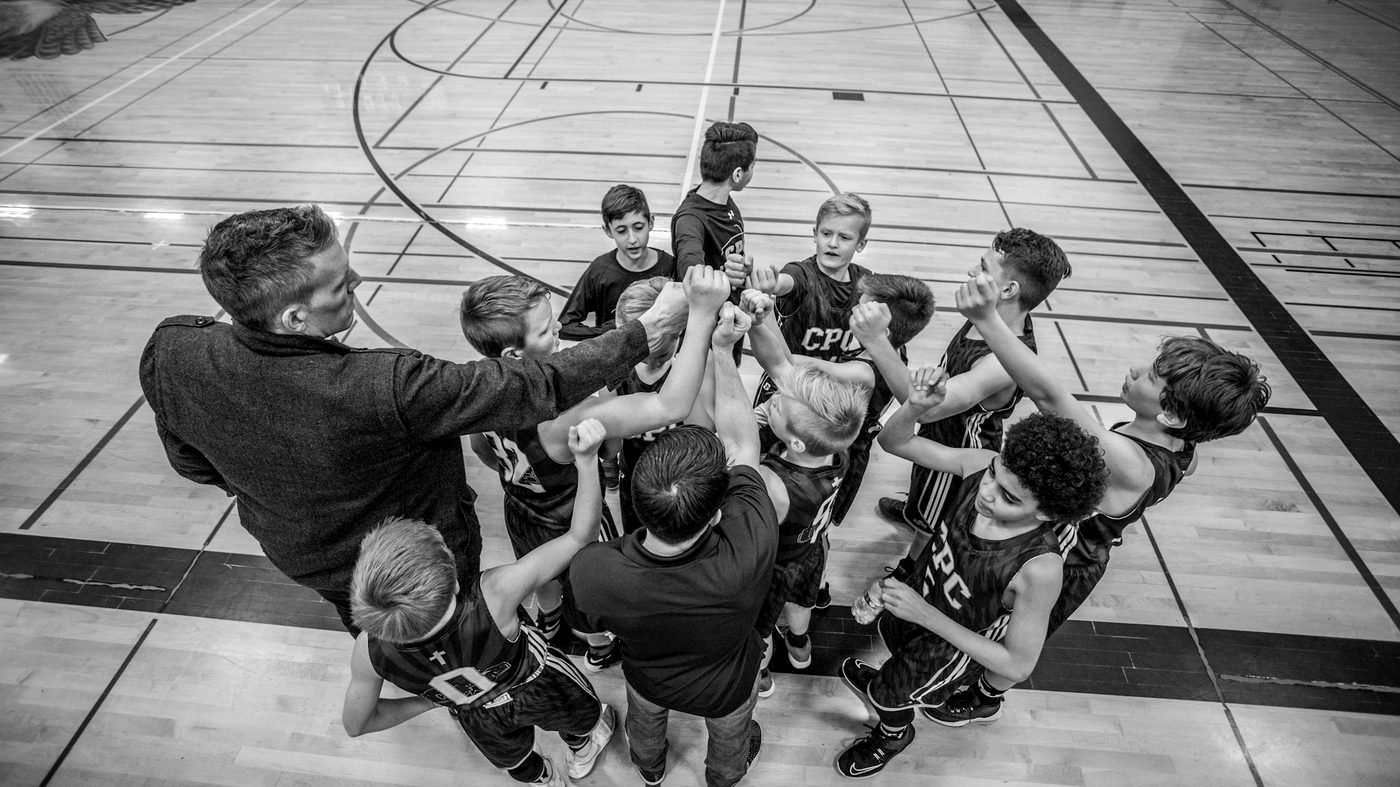
Youth basketball team gathered in a tight huddle in a school gym

Layer 1: How does an academy attract the right families?

With game and training footage, posted all season, and ads that run in your registration windows. Footage is the number one thing I see clubs and academies not doing. Even if it's a hundred kids under 14, put their footage out there, because their parents are interested and their parents will share it.

Then add paid ads when a window opens. Meta ads reach parents within a sensible drive. Google search ads catch families already looking for "[sport] academy near me". Run them 6 to 10 weeks before registration opens, not the week before.

And keep your Google Business Profile current. In BrightLocal's 2026 survey of US consumers, 97% said they read reviews for local businesses. Ask happy families for a review at the end of every season.

What about referrals? Referrals are great when they happen. But they aren't a strategy, they're luck you can't schedule. Build the system so it works without them, then treat every referral as a bonus.

Layer 2: How do you turn interest into inquiries?

Give every program its own page and make it easy to act. A parent who taps your ad should land on the exact program they saw, with the age group, dates, price, coach and one form. Not your homepage, and not a PDF.

Each program page needs:

  • What it is and who it's for, in one line.
  • Dates, times, location and price.
  • Who coaches it, with a photo.
  • A short video from a real session.
  • Two parent reviews.
  • One form, or one registration link.

Add a phone number and a text option. Some parents will always want to talk first.

Layer 3: How do you turn inquiries into registrations?

Reply the same day, every time. Leads come in and nobody follows up, and that's usually the real leak, not the ad spend. A family who asks on Monday and hears back on Friday has already registered somewhere else.

A simple sequence does most of the work:

  1. Within an hour: a personal reply that answers the question and gives the next step.
  2. Day 2: an invite to a trial session, tour or info night.
  3. After the trial: a call or text the same evening, with the registration link.
  4. Before the deadline: one reminder with the date.

Gym software data points the same way. Gymdesk, a gym software vendor, found that about two-thirds of trial conversions happened within 14 days, so the first two weeks matter most. That's mostly martial arts gyms, not academies, but I'd bet the pattern holds.

Track every family in one place, even a shared spreadsheet, so nobody falls through when the busy weeks hit.

Layer 4: How does an academy keep athletes coming back?

Make re-registration the easiest yes of the year. Open next season to current families first, with a short window and a small perk. Show each athlete's progress before you ask. A family who's just seen a clip of their kid improving says yes faster.

Retention is where the money is. The Health & Fitness Association's 2025 benchmark found fitness clubs kept about two-thirds of their members (gyms, 2024 data). Your academy is selling something families care about much more than a gym, so aim higher.

What helps:

  • An end-of-season progress note or video for each athlete.
  • Early access to next season's spots.
  • A sibling offer.
  • A season-end event families want to post about.

Why does an academy need a registration calendar?

Because every layer depends on timing. Content builds interest months ahead, ads run in the window, follow-up peaks at the deadline, and retention starts before the season ends. Don't sell leads, own the intake calendar. Plan 18 months of registration windows and build a campaign for each one.

For most academies that means tryouts, spring programs, summer camps, winter break camps and the fall season. Our youth sports registration calendar has the month-by-month view with real dates.

Where should an academy start? A 90-day plan

Month 1: fix the leaks.

  • Write down every registration window for the next 18 months.
  • Build one page for your next program.
  • Set up a same-day reply process and decide who owns it.
  • Update your Google Business Profile and ask five families for reviews.

Month 2: start attracting.

  • Post game or training footage every week.
  • Run ads for your next window, 6 to 10 weeks out.
  • Track every inquiry in one place.

Month 3: keep and repeat.

  • Open re-registration for current families first.
  • Send progress notes or clips before you ask.
  • Review what each window brought in: inquiries, registrations, cost per registration.

By the end, you'll know where your families come from and where you lose them. Then you fix the biggest leak first.

What results can an academy expect?

It depends on your season, budget and follow-up. We report in registrations and revenue, not likes. As one example, our work with BC Prep brought in 400 leads in 6 months at under $7 a lead, plus 175+ camp sign-ups.

Sources
Coala Studio · Sports marketing

Want help with your next window?

We're a sports marketing agency that fills tryouts, camps and memberships around each club's season. On a 30-minute call we'll look at your next window and tell you what we'd build first. If it's something you can do yourselves, we'll say so.

30-minute call · free
See how we work
Questions

Questions, answered

What is a sports academy marketing system?

Four connected layers: attract the right families, turn interest into inquiries, follow up until they register, and keep athletes season after season, all planned around your registration calendar.

What's the best way to market a sports academy?

Post game and training footage all season, run ads 6 to 10 weeks before each registration window, give each program its own page and reply to every inquiry the same day.

Do referrals work for sports academies?

They help when they happen, but you can't schedule them. Build your marketing so it works without referrals.

How do academies keep athletes from leaving?

Show each athlete's progress, open re-registration to current families first with a short window, and give them a reason to come back, like early access or a sibling offer.