Categories
Sports Marketing

Hockey Academy Recruiting Calendar: What to Post and When

Sports marketing guide · Hockey
The short answer

A hockey academy should recruit 12 to 18 months ahead: families decide on next season between January and April, after watching you all winter. So your content, ID camps and follow-up need to be running long before the application deadline.

I'd go further. Don't sell leads, own the intake calendar. Plan every window for the next 18 months and build a campaign for each one before it opens.

Why does a hockey academy need a recruiting calendar?

Because the decision happens months before the deposit. Parents watch your content, talk to other families and visit camps over a whole season, then commit in a short window. If you only market when spots are empty, you're too late. A calendar tells you what to post, when to run camps and when to follow up.

The pool is big but competitive. Hockey Canada reported more than 603,000 registered participants in 2024-25, up 2.4%, with more than 70,000 new players. But families are paying a lot. The 2026 Jumpstart youth sport report put the median annual cost of hockey at $1,938, against $450 for soccer. A family spending that much plans ahead and compares programs.

And you're not the only academy in the feed. The Canadian Sport School Hockey League lists 38 academies and programs on its site this season.

When do families decide on a hockey academy?

Most decide between January and April, once they've seen a full season and before spring hockey and summer camps lock in their plans. Before that they're watching. After that they're committed. Your job is to be the program they've been watching since September, then make it easy to apply when the window opens.

Some dates shape that window. In BC, Hockey Canada's Program of Excellence ID camps for U15 and U16 ran in March 2026, with registration closing on 9 March. The WHL Prospects Draft wrapped up on 7 May 2026. Minor hockey associations like Kelowna open registration in June and hold rep tryouts at the end of August. Each one is a moment when families are thinking about the next step.

What should a hockey academy post each month?

Post what families need to see at that point in their decision. Game footage and player stories in the fall, coaching and school life in the winter, ID camps and application reminders in the spring, and alumni and commitments in the summer. Here's the month-by-month plan I'd start from.

MonthWhat families are thinkingWhat you post and run
SepNew season. Watching teams play.Game footage every week. Meet the coaches. Season opener recap.
OctComparing programs.Player of the week. A day in the life (school plus ice). Open the application interest list.
NovWinter break plans.Winter break camp campaign. Alumni stories.
DecHolidays. Talking it over at home.Season highlights reel. "Applications open in January" message to your list.
JanDeciding season starts.Applications open. Info night (in person and online). Ads to families within driving range.
FebVisiting programs.Campus and rink tours. Parent testimonials. Showcase games.
MarID camps and spring break.Spring break ID camp. Application deadline reminders. Same-day follow-up on every inquiry.
AprCommitting.Offers out. Deposit deadline. Welcome posts for committed players.
MayDraft and showcase season.Celebrate player advancements. Summer camp push.
Jun to JulSummer hockey.Summer camp content. Off-ice training clips. Interest list for next year.
AugTryouts everywhere.Final spots. Pre-season testing. "Meet the new class" posts.

Your dates will differ. Start from this, then mark your own application, camp and deposit dates on it.
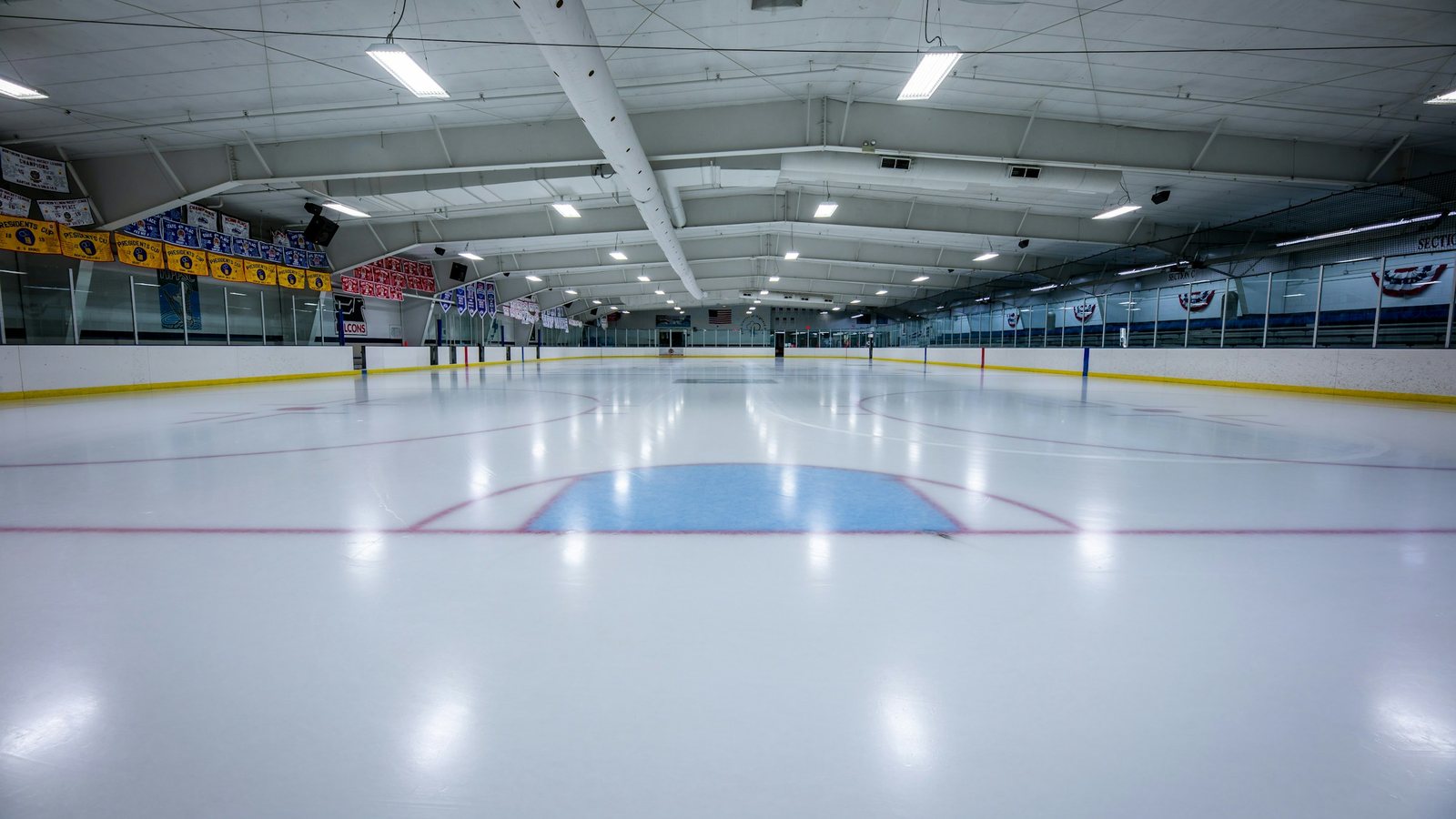
Empty indoor community ice rink with fresh ice and the lights on

How far ahead should a hockey academy start marketing?

At least 12 months for the next intake, and 18 months for your big windows. A family applying in January 2027 is watching you from September 2026. So the content that sells next year's class is the content you post this fall.

That's why I'd plan 18 months at a time. Mark every window: applications, ID camps, spring break, summer camps, deposit deadlines. Then build each campaign 6 to 10 weeks before it opens, with its own page, its own ads and its own follow-up.

What content works best for hockey academy recruiting?

Game and training footage, hands down. It's the number one thing I see clubs and academies not doing enough. Parents want to see the level of play, the coaching and what a day looks like. Players want to see themselves in it.

Mix in four other formats:

  1. Player stories. Where they came from, what changed, where they're going.
  2. Coach clips. One drill, one lesson, 30 seconds.
  3. School life. Classes, study hall, team meals. This is what parents worry about.
  4. Advancement posts. Commitments, draft picks, scholarships. Post them the day they happen.

Keep it real. Phones are fine. Consistency beats production.

How should a hockey academy follow up with families?

Same day, every time. Most leaks I see aren't in the ads, they're in the follow-up: an inquiry comes in and nobody calls back for a week. A family spending close to $2,000 a year on minor hockey, or a lot more on an academy, expects a real conversation.

Build a simple sequence:

  1. Within an hour: a personal reply with the next date (info night, camp or tour).
  2. Day 2: a short video from the head coach.
  3. Day 7: an invite to a game or practice.
  4. Before each deadline: a reminder with the date and the link.

Track every family in one place, so nobody falls through when the busy months hit.

The short version

Recruit 12 to 18 months ahead. Post game footage all season. Open applications in January, run ID camps in March, close in April. Follow up every inquiry the same day. If you want help building the calendar, that's exactly what our hockey academy marketing work starts with.

Sources
Coala Studio · Sports marketing

Want help with your next window?

We're a sports marketing agency that fills tryouts, camps and memberships around each club's season. On a 30-minute call we'll look at your next window and tell you what we'd build first. If it's something you can do yourselves, we'll say so.

30-minute call · free
See how we work
Questions

Questions, answered

When should a hockey academy open applications?

Most open in January and close by April, after families have watched a full season. Mark your own dates, then start the campaign 6 to 10 weeks before applications open.

What should a hockey academy post on social media?

Game and training footage every week, plus player stories, coach clips, school life and advancement posts. Families want to see the level of play and what a day looks like.

How far ahead should a hockey academy plan its marketing?

12 months for the next intake and 18 months for big windows like ID camps and summer camps.

How fast should an academy follow up with an inquiry?

The same day, ideally within an hour, with a personal reply and the next date to attend.
Categories
Sports Marketing

Golf Simulator Gift Cards: How to Sell More This Black Friday (and Turn Them Into Members)

Sports marketing guide · Indoor golf
The short answer

Golf simulator clubs sell the most gift cards between Black Friday (27 November 2026) and Christmas, so the page, the offer and the emails need to be ready by mid-November. The real money comes in January, when those cards come back as first visits you can turn into members.

I think a gift card is a first visit you haven't converted yet. So build the redeem-to-member offer before you sell a single card.

Why should an indoor golf club care about gift cards?

Because the holidays are when people buy experiences for golfers, and your club is an easy gift. The National Retail Federation forecast US holiday gift card spending at $29.1 billion for 2025, and 43% of holiday shoppers planned to buy at least one gift card. A bay hour with food and drink is an easy thing to give a golfer who already owns every gadget.

Then those cards get used fast. In a TSG and Bank of America survey of 1,002 US consumers, 87% of people who got holiday gift cards had used at least half of them by February 2026. That's a wave of first visits landing in your busiest months, when the courses are shut.

And a lot of those visitors aren't golfers yet. The National Golf Foundation found 51% of simulator users hadn't played a round on a golf course in the previous 12 months. The person holding the card might be a partner, a friend or a teammate. That's a new customer you didn't pay an ad platform for.

When should a golf simulator club start its gift card push?

Start in the first week of November and plan for four peaks: Black Friday weekend, the corporate gifting window in early December, the last shipping week, and last-minute digital cards right up to 24 December. Your page, your offer and your emails should all be live before 15 November.

Here's how I'd lay out the six weeks:

Dates (2026)What buyers are doingWhat you run
2 to 15 NovMaking lists. Booking holiday parties.Gift card page live. Email members a "gift a bay" preview. Corporate gifting outreach starts.
16 to 26 NovWatching for deals.Black Friday teaser to your list. Retarget site visitors.
27 to 30 NovBlack Friday to Cyber Monday.The bonus offer. Daily emails and stories. One clear end date.
1 to 14 DecOffice gifts and team parties.Corporate packs: 10 cards with a branded note. Push holiday bay buyouts.
15 to 24 DecLast-minute panic.Instant digital cards. "Print at home" message. Ads to golfers in your area.
Jan to FebRedeeming.The redeem-to-member offer (see below).

What gift card offer should an indoor golf club run?

Run bonus value, not a discount. Something like "buy $100, get $20 on top" keeps your hourly rate intact and still feels like a deal. A discount teaches people your bay is worth less. Bonus value gets them in the door and spending.

This is what the big chains do. Five Iron Golf's 2024 holiday release offered a $25 bonus on a $125 card, $65 on a $250 card and $150 on a $500 card, plus a $39 swing evaluation over the Black Friday weekend. Toronto's 6ix Iron sells prepaid credit all year with a bonus built in: $500 buys $600 and $1,000 buys $1,250.

Three rules for your offer:

  1. Tier the bonus. Bigger cards get a bigger bonus. It nudges the $100 buyer up to $150.
  2. Bundle a reason to come back. Add a lesson or a swing evaluation to the top tier. A lesson is a second visit.
  3. Set a hard end date. Black Friday to Cyber Monday (27 to 30 November). After that the bonus drops back.

How do you sell gift cards to companies?

Pitch office managers and HR leads in October and November with a corporate pack: a set number of cards, a bonus and a branded note. Then sell the holiday party itself. Challenger, Gray & Christmas found 64% of US companies planned holiday celebrations in 2024, so the party and the gift are often the same buyer.

Keep it simple. One page for corporate buyers, a price per 10 cards, and a form that books a call. Follow up every inquiry the same day. In my experience, leads come in and nobody follows up, and that's usually the real leak, not the ad spend.

Group of friends cheering as a woman bowls in a lounge-style venue

How do you turn gift card visits into members?

Treat every redemption as a membership lead. Capture the name and email at booking, give them a great first hour, and send a member offer within 48 hours. The offer should only work for gift card visitors and only for 30 days, so it feels like a reason to decide now.

Here's the sequence I'd build:

  1. At booking: ask for their email and whether they've played a simulator before.
  2. On the day: a staff member says hello by name, sets them up and mentions the member offer once.
  3. Within 48 hours: "Thanks for coming in. Here's your first month at member rates, valid for 30 days."
  4. Day 10: an invite to a league night or a beginner clinic.
  5. Day 25: last reminder before the offer ends.

Most of these visitors will play in January and February, your peak. That's when a member is worth the most, because they're booking the hours that would otherwise sit empty in a slow week.

And watch what the visit is worth. In an NGF survey of 354 golf facilities with simulators, operators reported about $55 per simulator session plus about $40 in food and drink per visit. Push the bar and the kitchen to card holders too.

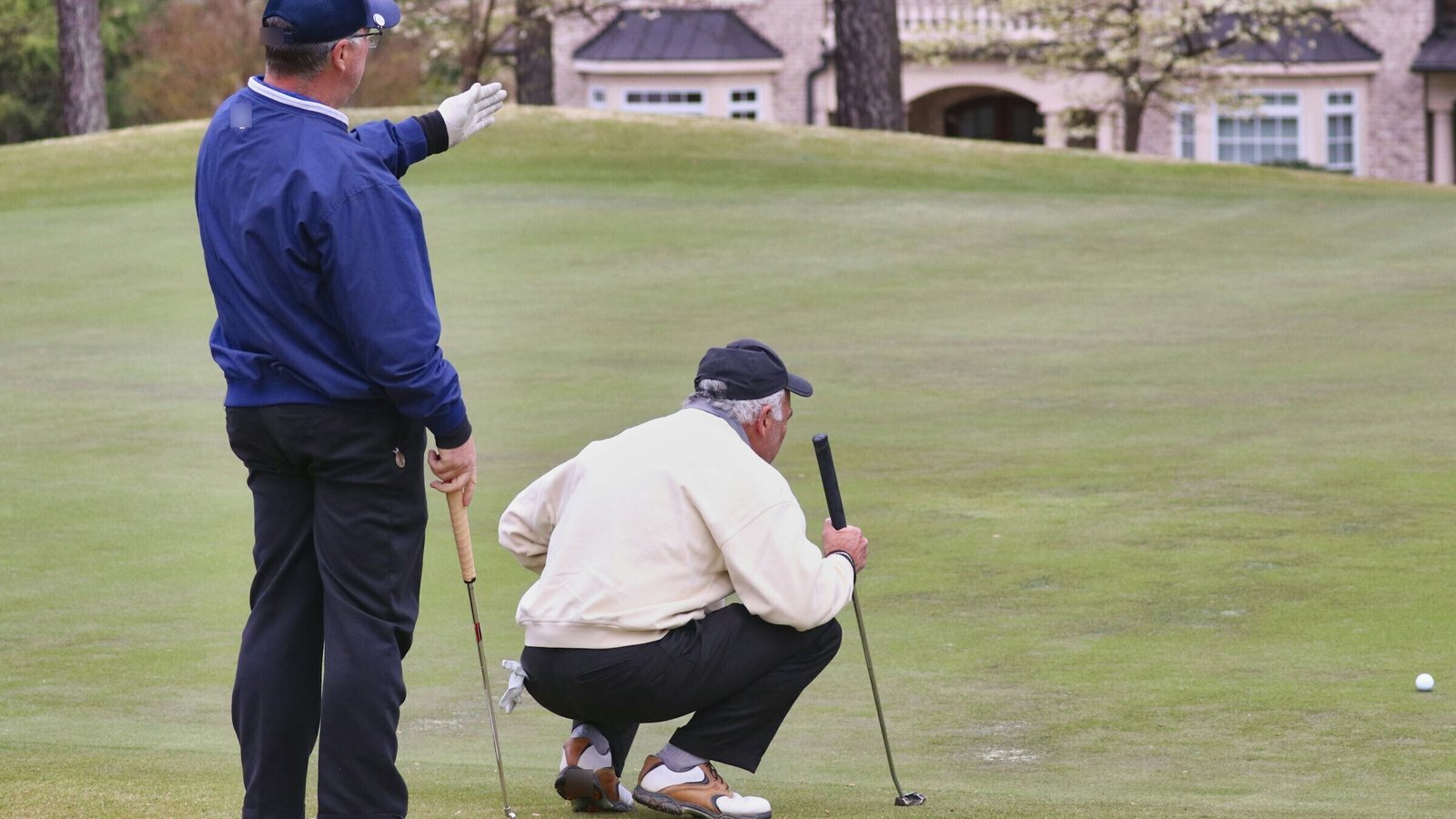
Woman putting on a green while two golfers stand by and watch

What should the gift card page include?

One page, one job. It should sell the card in under a minute and work on a phone.

  • A headline with the offer and the end date.
  • Three or four card amounts, with the bonus shown on each.
  • Instant digital delivery and a print-at-home option.
  • What the card buys: a bay hour, food and drink, a lesson.
  • A short line for corporate buyers, linking to the corporate pack.
  • Your Google rating and two short reviews.
  • A FAQ: expiry, how to book, how many people per bay.

If you're running ads, send them here, not to your homepage.

The short version

Get the page and the bonus offer live by mid-November. Run Black Friday to Cyber Monday with a hard end date. Sell corporate packs in early December. Then treat January as membership season, because every card that comes back is a warm lead.

If you want the full winter plan, our free playbook covers the 12-month club calendar, membership pricing from 26 real clubs, and how to keep members through the summer.

Sources
Coala Studio · Sports marketing

How to fill your indoor golf club

Free, and every chapter ends with something to do on Monday. Real pricing from real clubs, a 12-month calendar and the plays that turn first visits into members.

Questions

Questions, answered

When should a golf simulator club start selling holiday gift cards?

In the first week of November. Have the page, the bonus offer and your emails live by 15 November, so you're ready for Black Friday on 27 November and the corporate gifting window in early December.

Should I discount gift cards on Black Friday?

I'd add bonus value instead, like "buy $100, get $20 on top". It keeps your hourly rate intact and still feels like a deal.

How do I turn gift card visitors into members?

Capture their email at booking, give them a great first hour, and send a member offer within 48 hours that only works for 30 days.

Who buys golf simulator gift cards?

Partners, family, friends and companies buying for staff or clients. Many people who redeem them aren't regular golfers, so your first visit has to work for beginners.

Categories
Sports Marketing

How to Choose a Sports Marketing Agency (An Honest Comparison)

Sports marketing guide · Agencies
The short answer

Choose a sports marketing agency that plans around your registration calendar, makes content from your real training days, owns follow-up on every inquiry, and reports on registrations, not likes. If an agency can't tell you what it would build for your next tryout or camp on the first call, keep looking.

I run a sports marketing agency, so read this with that in mind. I've tried to make it useful even if you never hire us.

How do you choose a sports marketing agency for a club or academy?

Start with your calendar, not the agency's portfolio. Write down your next registration window, tryout and camp, then ask each agency what it would build for each one and how it would report on registrations. The right agency talks about your dates and your intake numbers within the first ten minutes.

Then check three things:

  1. Do they know how your season works? Tryouts, camps, intake deadlines, and the fact that parents sign the cheque.
  2. Who does the work? The person on the call, or someone you'll never meet.
  3. What do they report on? Registrations, sign-ups and revenue. If the report leads with reach and impressions, that's the tell.

Should you hire in-house or use an agency?

I think that's the wrong question. The marketing unicorn doesn't exist: one person who plans strategy, films, edits, writes, buys Meta and Google ads, builds landing pages and follows up leads. You're choosing between one hire who'll be strong at two or three of those, or a team that covers all of them.

For reference, Job Bank puts the median wage for a marketing coordinator in British Columbia at $33.65 an hour (2023 to 2024 data). In the US, the Bureau of Labor Statistics puts the median for market research analysts and marketing specialists at $78,760 a year (May 2025). That's before software, ad spend, camera gear and the time it takes to manage them.

A hire can make sense when you have enough steady work for a full-time person and someone senior to direct them. Plenty of clubs do best with both: a coordinator inside who knows the families, and an agency for strategy, creative and ads.

Small team working together around a wooden table with laptops

What are the four ways to get sports marketing done?

There are four common options: an in-house hire, a freelancer, a lead-generation shop, or a full-service sports agency. Each one is good at something. The question is which gaps you can live with. Here's how I'd compare them honestly, including the weak spots of the option we sell.

The comparison

OptionGood atWatch out forBest for
In-house hireKnows your families, always around, posts dailyOne person can't do everything; needs someone to direct themClubs with steady year-round work and a senior lead
FreelancerOne skill done well (video, design, ads)You become the project manager; gaps between freelancersA single job, like a camp video or a new logo
Lead-gen shopFast volume of form fills for one campaignSells leads, not registrations; often stops at the formA one-off push when you already have strong follow-up
Full-service sports agencyStrategy, content, ads, pages and follow-up in one planCosts more than a freelancer; needs your input on approvalsPrograms with several registration windows a year

My take: most lead-gen offers fill one tryout. What a club needs is a plan for the February registration open, the March camp launch and the fall recruiting cycle. Those are different products.

What should a sports marketing agency actually deliver?

A good sports marketing agency delivers registrations, sign-ups and members, built on a calendar. That means a plan for every window on your calendar, content made from your own training and games, landing pages with one clear form, ads that run in the weeks before each deadline, and a follow-up system so every inquiry gets an answer fast.

The piece most agencies skip is follow-up. Leads come in and nobody follows up, and in my view that's usually the leak, not the ad spend. Ask any agency who owns the first reply to a parent. If the answer is "your staff", ask what they'll set up to make that easy: automatic emails and texts, a simple script, and a weekly count of inquiries against registrations.

We work this way at Coala. Our sports marketing page shows what's in a retainer, and our retainers start at $1,750 CAD a month, and the BC Prep results (400 leads in 6 months at under $7 a lead, 175+ camp sign-ups) are the kind of numbers we report on.

What questions should you ask on the first call?

Ask questions that force specifics: what they'd build for your next window, who does the work, how they report, and what happens to an inquiry after the form. A good agency answers with your dates and your numbers. A weak one answers with its process deck. These ten are the ones I'd ask.

  1. What would you build for our next registration window, and when would you start?
  2. Who will actually plan, film, edit and run the ads?
  3. Have you worked with a program like ours? What were the registrations, not the views?
  4. What happens to an inquiry in the first 24 hours?
  5. What do you need from us each week, and how fast do approvals need to be?
  6. What will the first monthly report show?
  7. How do you split our money between ad spend and your fee?
  8. Who owns the ad accounts, pages and footage if we leave?
  9. What's the minimum commitment, and why?
  10. What would you tell us to do ourselves?

That last one matters. An agency that says "you can do this part yourselves" is usually one you can trust with the rest.

What are the red flags?

The biggest red flags are reports built on reach and likes, promises of guaranteed numbers, a team you never meet, and nobody owning follow-up. Also watch for agencies that keep your ad accounts and footage in their name. Any one of these on its own is a reason to ask more questions before you sign.

The list I'd check:

  1. Guaranteed results. Nobody can promise registrations. Good agencies set targets with you and report against them.
  2. Vanity reporting. Impressions and engagement first, registrations nowhere.
  3. No calendar. They want to "start posting" before asking about your tryout dates.
  4. Account ownership. Your ad accounts, pixel and footage should be yours.
  5. Hand-offs. The senior person sells, then disappears.
  6. Generic creative. Stock footage instead of your athletes, your coaches and your gym.

Referrals are lovely, but referrals aren't a strategy, they're luck you can't schedule. The same goes for picking an agency on a friend's say-so. Use the scorecard below anyway.

How do you score an agency before you sign?

Score each agency out of 10 on the ten questions below and add it up. Anything under 70 out of 100 is a no for me. Score your own marketing the same way: if you're at a 6 out of 10, that's fine for a club at your stage, and the right partner should show you a credible path to a 9.

The scorecard

#QuestionScore /10
1Did they ask about our calendar before pitching?
2Did they say what they'd build for our next window?
3Do they report on registrations and sign-ups?
4Do we know exactly who does the work?
5Do they have a plan for follow-up on every inquiry?
6Will they film our real athletes and coaches?
7Do we own the ad accounts, pages and footage?
8Did they show real results from a similar program?
9Is the commitment clear and fair?
10Did they tell us what we could do ourselves?
Total/100

Do this for two or three agencies and compare the totals. If you're a hockey academy, our page on hockey academy marketing shows how we'd plan your intake year. If you'd like to know who we are first, read about Coala Studio.

Sources
Coala Studio · Sports marketing

Want to score us too?

Bring this scorecard to a 30-minute call. We'll look at your next registration window and tell you what we'd build first. If it's something you can do yourselves, we'll say so.

30-minute call · free
Book a call
Questions

Questions, answered

What does a sports marketing agency do for a club?

It fills programs. For clubs and academies that means planning campaigns around registration windows, making content from real training and games, running Meta and Google ads, and building the landing pages and follow-up that turn interest into registrations.

Is it cheaper to hire a marketing coordinator than an agency?

Sometimes. Job Bank puts the median marketing coordinator wage in BC at $33.65 an hour (2023 to 2024 data). One hire rarely covers strategy, video, ads and pages, so compare the full cost of the skills you need, not one salary.

How much does a sports marketing agency cost?

It depends on scope: how many programs, how much content and whether ads are included. Ask every agency to separate its fee from ad spend so you can compare like with like. At Coala, retainers start at $1,750 CAD a month, and we'll tell you on the first call what your scope would cost.

What should I ask a sports marketing agency before hiring?

Ask what they'd build for your next registration window, who does the work, how they report on registrations, what happens to an inquiry in the first 24 hours, and who owns the ad accounts and footage.

What are red flags when hiring a marketing agency?

Guaranteed results, reports built on reach and likes, no questions about your calendar, a team you never meet, nobody owning follow-up, and ad accounts kept in the agency's name.

Categories
Sports Marketing

Sports Marketing Agency in Vancouver and BC

Sports marketing guide · Vancouver and BC
The short answer

Coala Studio is a sports marketing agency based in Surrey, BC, working with academies, clubs, sports facilities and sports brands across the Vancouver region, Canada and the US. We fill tryouts, camps and memberships with reels, ads and registration funnels, planned around your season.

Here's what that looks like for a BC club, and the BC dates we plan around.

What does a sports marketing agency in Vancouver do?

A sports marketing agency fills your programs. For a BC academy or club that means planning campaigns around your registration and tryout windows, filming real training and game days, running Meta and Google ads to parents and players, and building the landing pages and follow-up that turn an inquiry into a registration. The payoff is sign-ups, not likes.

In practice, our work for a club comes in four parts:

  1. The calendar. Every registration window, tryout, camp and deposit deadline for the next 12 to 18 months, on one page.
  2. The footage. Reels from your actual gym, rink or field. Parents want to see your coaches, not stock photos.
  3. The ads. Meta and Google, aimed at families within a realistic drive, live weeks before each window opens.
  4. The funnel. One landing page per program, one form, and a follow-up process so no inquiry sits for days.

When do BC clubs and academies need to start marketing?

Earlier than most do. BC's money moments come months before the season: spring soccer registration opens in December in some clubs, BC Hockey's provincial identification camps register in early March, and winter break camps are booked in October and November. If your campaign starts when registration opens, you're already late.

The BC sports calendar

These are real published BC dates. Check your own club and district before you plan.

WindowWhat happensPublished example
December to MarchSpring soccer registrationSurrey United: early bird 1 to 31 Dec 2025, deadline 1 Mar 2026, season April to June
Early MarchProvincial hockey identification campsBC Hockey Program of Excellence U15/U16 camps: registration closed 9 Mar 2026, camps 20 to 29 Mar in Langley, Delta, Kelowna and more
15 to 19 MarchSpring break campsSurrey Schools spring break 2027
JuneMinor hockey registration opensKelowna Minor Hockey: registration opens in June, season September to March
Late AugustRep hockey tryoutsKelowna Minor Hockey: rep tryouts at the end of August
October to NovemberWinter break camps soldSurrey Schools winter break: 21 Dec 2026 to 1 Jan 2027

The pattern: each window is sold six to ten weeks before it opens. Spring is decided in winter, and winter is decided in the fall.

For the winter break window specifically, we wrote a week-by-week winter break camp plan with this year's dates.

Kids playing shinny hockey on an outdoor community rink at dusk

Why does a BC club need a local sports marketing agency?

Because the calendar is local. A BC agency knows when Surrey United opens spring registration, when BC Hockey runs its identification camps and when Lower Mainland schools break. A local team can also be on your floor for a shoot day without flights. You still need sports experience first. Local is the tiebreaker, not the reason.

There's more competition for families than people think. BC's provincial government says membership in designated sport organizations grew from nearly 600,000 to 718,000 between 2020 and 2025. More programs, more clubs, more choice for parents.

So the club that's visible first, with a clear page and a fast reply, usually fills first. That's the job.

What should a BC hockey academy market, and when?

Market the season around your intake, not the hockey season itself. A BC academy's key windows are spring evaluations and camps, summer development programs and fall intake. Plan each one 6 to 10 weeks out, film real ice time, and give every program its own page. Families are comparing academies on cost and value, so show both.

The cost question is real. The Jumpstart 2026 national youth sport report found hockey's median annual cost was $1,938, against $450 for soccer, and hockey participation sat at 22% against soccer's 50%. I think hockey has priced itself out of a lot of Canadian families, so an academy has to show exactly what a family gets for the money.

Hockey Canada's own numbers show the families who do commit tend to stay: retention for ages 5 to 16 was above 90% in 2024-25, with 603,000+ registered players.

We cover this in detail in how to market a hockey academy, and our hockey academy marketing page explains what we build.

How do BC soccer and multi-sport clubs fill spring and fall programs?

Start before the early bird. If spring registration opens in December, your returning-family email, your landing page and your ads should be ready in late November. Then push hardest in the last three weeks before the deadline. Fall programs work the same way, with summer as the selling window.

A simple plan for a BC soccer or multi-sport club:

  1. Late November: returning families get first access and a short highlight video of their kid's season.
  2. December: early bird opens. Ads to parents within a realistic drive of your fields.
  3. January and February: reels from winter training, coach intros, and "spots left" posts if that's true.
  4. Last three weeks before the deadline: heaviest spend, deadline in every ad and email.
  5. After the deadline: a waitlist and first access to camps.

Camps follow their own rhythm. Our guide on how to fill a youth sports camp has the full camp calendar.

What results should you expect from a sports marketing agency?

Expect to be measured on registrations, sign-ups and members, with targets agreed before launch. No honest agency guarantees a number, but it should tell you what it'll report on and when. If an agency's case studies only talk about views and followers, ask what those views turned into.

Our own sports results: BC Prep got 400 leads in 6 months at under $7 a lead and 175+ camp sign-ups, and its reels, posts and ads passed 600,000 views. We built Mosaic Sports' brand and athlete management platform from scratch. Urumi Athletics grew to 11.2K followers.

What I'd look for in any agency's results:

  1. A named client you can check.
  2. A number tied to registrations or leads, with a time period.
  3. A clear line between what the agency did and what the club did.
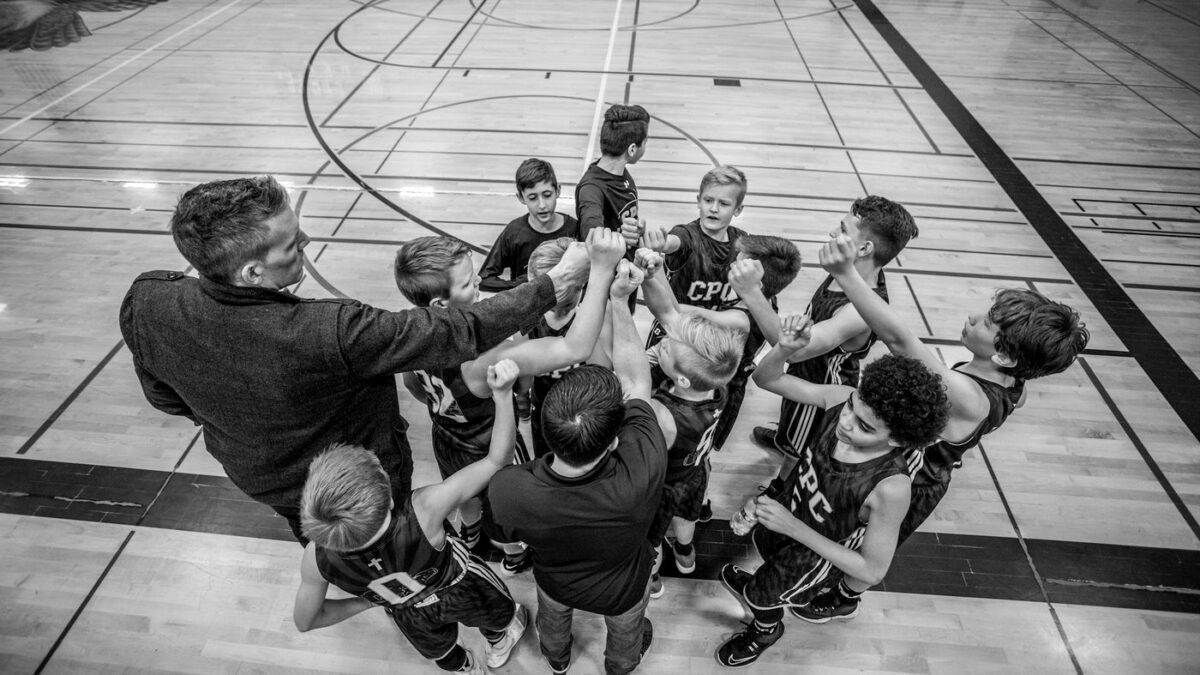
Youth soccer team in a tight huddle, arms around each other, on a grass field

How do you choose a sports marketing agency in Vancouver?

Ask three questions. Do they work only in sport? Can they show you your own registration calendar back to you in the first call? And who actually does the work: the person on the call, or someone you'll never meet? The right agency answers all three without a slide deck.

Questions worth asking on the first call:

  1. "What would you build for our next registration window, and when would you start?"
  2. "Who films our footage, and how often?"
  3. "How fast do you think we should reply to a parent inquiry?"
  4. "What will you report on every month?"
  5. "What would you tell us to do ourselves?"

If they can't name your next window, they'll sell you leads. I'd rather you own the calendar.

Where is Coala Studio, and who do we work with?

We're based at 10318 Whalley Blvd in Surrey, BC, and work with academies, clubs, sports facilities and sports brands across the Vancouver region, Canada and the US. Most of our work is retainer-based and planned season by season, with shoot days on your floor.

Areas we work with: Surrey and the Vancouver region in person, and clubs across Canada and the US remotely with planned shoot days.

More about the team on our About page, and everything we do for clubs is on our sports marketing page.

Sources
Coala Studio · Sports marketing

Running a club or academy in BC?

We're a sports marketing agency in Surrey. On a 30-minute call we'll map your next registration window and tell you what we'd build first. If it's something you can do yourselves, we'll say so.

30-minute call · free
Map my next season
Questions

Questions, answered

Is Coala Studio based in Vancouver?

We're based in Surrey, BC, in the Vancouver region, at 10318 Whalley Blvd. We work in person with clubs across the Lower Mainland and remotely with clubs across Canada and the US.

When should a BC soccer club start marketing spring registration?

Before the early bird opens. Some BC clubs open spring registration in December, so have your landing page, returning-family email and ads ready by late November.

When do BC hockey identification camps happen?

BC Hockey's Program of Excellence U15 and U16 identification camps ran 20 to 29 March 2026, with registration closing 9 March. Check BC Hockey for next year's dates.

What does a sports marketing agency cost in BC?

It depends on scope. Most of our work is a monthly retainer planned around your season, starting at $1,750 CAD a month. On a first call we'll tell you what we'd build and whether you need us at all.

Do you only work with BC clubs?

No. We work across Canada and the US. BC is our home base, which makes in-person shoot days easy for Lower Mainland clubs.

Categories
Sports Marketing

BC Prep Case Study: 400 Leads in 6 Months at Under $7 a Lead

Case study · Youth sports
The short answer

BC Prep got 400 leads in 6 months at under $7 a lead while working with Coala Studio, plus 175+ camp sign-ups. Its reels, posts and ads, paid and organic, passed 600,000 views along the way.

Those are the numbers. Here's what they mean, what kind of program BC Prep runs, and how we run campaigns like this for academies and camps.

What results did BC Prep get?

BC Prep got 400 leads in 6 months, at under $7 a lead, and more than 175 camp sign-ups. Across its reels, posts and ads, paid and organic, the content passed 600,000 views. We count a lead as a parent or athlete who filled in a form to ask about a program, and a sign-up as a registered camper.

ResultNumber
Leads400 in 6 months
Cost per leadUnder $7
Camp sign-ups175+
Views across reels, posts and ads600,000+

I put the views last on purpose. 600,000 views is nice. 175 kids in a camp is what the director needed.

What kind of program is BC Prep?

BC Prep is a youth sports program. On our sports marketing page it sits under three of the program types we work with: basketball training centres, multi-sport facilities, and skills camps and clinics. Parents are the buyers, and the calendar decides everything.

That last part matters. A camp has a start date. If it isn't full by then, the empty spots are gone. So every lead has a shelf life, and the marketing has to work in the window before the deadline, not after it.

Why does under $7 a lead matter?

Because it means the content did the heavy lifting. When reels and posts already have families watching, the ads are reaching people who know you, and each lead costs less. Under $7 a lead gave BC Prep room to spend on the follow-up and the camp itself instead of buying attention.

I think a lot of sports marketing gets judged on the wrong number. Views are easy to show in a report. They don't pay coaches. The numbers a director runs on are leads, cost per lead and registrations, and that's what we report.

How did the campaign work?

We used reels, organic posts and paid ads together, so the same content worked twice: once to build an audience, once to bring in leads. The ads pointed at program pages with a date, a price and one form. Here's how we run a camp and program campaign:

  1. Calendar first. We map every camp, tryout and registration date for the next 12 to 18 months, so campaigns start before each window opens.
  2. Real footage. We film the real coaches and the real gym. Parents want to picture their kid there, not a stock photo.
  3. Organic and paid together. Reels and posts build the audience. Ads put the best of that content in front of nearby parents, with a deadline.
  4. One page per program. Dates, ages, price, what's included and one form.
  5. Fast follow-up. Every inquiry gets an answer the same day.

Our youth sports camp guide has the booking calendar we work from, and the winter break camp countdown shows the same approach on real 2026 dates.

Kids playing pickup basketball on an outdoor court, one dribbling past defenders

Why do leads turn into sign-ups for some programs and not others?

Mostly because of what happens after the form. Leads come in and nobody follows up, and in my view that's usually the real leak, not the ad spend. A parent comparing three camps tends to book the one that answers first. Speed and a clear next step turn a lead into a registration.

Parents also plan early. The American Camp Association's CEO has told families to start planning summer camp as early as December, and some camps fill within minutes of opening. If the follow-up is slow, the spot goes to someone else.

What a working follow-up looks like:

  1. Instantly: an automatic email and text with the camp details and the registration link.
  2. Same day: a real person answers the parent's question.
  3. Day 2: a short "any questions?" text.
  4. Before the deadline: a reminder with the date.
  5. When it fills: a waitlist, and first access to the next camp.

What can your academy take from this?

Plan the year, use your own footage, run organic and paid together, give every program its own page, and answer every inquiry the same day. None of that needs a huge budget. It needs a calendar and someone who owns follow-up. Then judge the work on leads, cost per lead and registrations.

Three things I'd do this month:

  1. Write down your next three dates: your next camp, your next tryout and your next registration deadline.
  2. Film one training session this week. Ten short clips is plenty to start.
  3. Check your inquiry inbox. Count how many inquiries from the last month got a reply the same day.

If you run a hockey program, our hockey academy marketing page covers that side. You can read more about Coala Studio and how we work.

Sources
Coala Studio · Sports marketing

Want numbers like these for your next camp or intake?

We're a sports marketing agency that fills tryouts, camps and memberships around each club's season. On a 30-minute call we'll look at your next window and tell you what we'd build first. If it's something you can do yourselves, we'll say so.

30-minute call · free
Map my next season
Questions

Questions, answered

What results did BC Prep get with Coala Studio?

BC Prep got 400 leads in 6 months at under $7 a lead and 175+ camp sign-ups, and its reels, posts and ads passed 600,000 views, paid and organic.

What kind of program is BC Prep?

A youth sports program running basketball training, multi-sport training and skills camps and clinics. Parents are the buyers, so its marketing is planned around camp and program dates.

How did BC Prep keep its cost per lead under $7?

By running reels, organic posts and paid ads together, so the ads reached families who already knew the program, and by sending every ad to a program page with one form.

What's the difference between a lead and a sign-up?

A lead is a parent or athlete who asks about a program, usually through a form. A sign-up is a registration. We report both and judge the work on sign-ups.

Can a small academy get results like these?

I think so, if it plans around its calendar, films its own sessions and answers every inquiry fast. Results depend on the program, the price and the market, so we don't promise numbers.

Categories
Sports Marketing

How to Fill Off-Peak Golf Simulator Bays

Sports marketing guide · Indoor golf
The short answer

You fill off-peak golf simulator bays by selling those hours as their own products: a daytime league, a weekday membership, coaching blocks and corporate lunch bookings. A plain discount rarely works on its own, because the people who are free at 10am on a Tuesday want a reason to come, not just a cheaper bay.

Here's how I'd build each one.

How do you fill off-peak golf simulator bays?

Build a product for each empty block, then market it to the people who are free at that time. Daytime hours suit retirees, shift workers, juniors after school and companies at lunch. Give each group a fixed slot, a reason to come back weekly, and a price that only works in that window. Then protect your evening and weekend rates.

The plan in five parts:

  1. List your empty blocks by day and hour.
  2. Match each block to a group that's free then.
  3. Build one product per block: league, membership tier, clinic or corporate package.
  4. Sell it with its own page, its own ads and a start date.
  5. Keep peak hours at full rate.

When are golf simulator bays usually empty?

Weekday daytime, late night and summer. The evening and weekend bays sell themselves in winter. Daytime is where the gap is, and the pricing pages prove operators know it: in Coala's survey of 26 indoor golf venues (Oct 2026), the median off-peak discount on published public rates was 20% at Canadian venues (n=7).

The same survey found many clubs build membership tiers around the clock. Of the 17 venues we surveyed with more than one paid tier, 7 restrict some tiers to certain days or times. A few examples from their own pricing pages:

VenueWhat they sell for quiet hours
6ix Iron, TorontoAn unlimited off-peak membership, plus 25% off peak time
Golfology, St. Petersburg FLAn "Early Birdie" unlimited tier, 10am to 5pm only
Joy House Golf, WinnipegA winter member rate for weekdays before 5pm
Clubhouse 24/7, Nova ScotiaCheaper hourly rates on weekday mornings and overnight

Summer is its own problem. We cover the full season in how to market a golf simulator business.

Should you discount off-peak golf simulator time?

Not on its own. A discount tells people the hour is worth less, and it rewards golfers who'd have come anyway. Use price to shape a product instead: a daytime membership that only works before 4pm, or a league with a fixed weekly slot. The product gives people a reason to come. The price keeps it in the quiet hours.

I think off-peak is a product problem, not a price problem. A 20% discount on a Tuesday morning nobody wants is still a Tuesday morning nobody wants.

One more reason to be careful: a permanent discount trains your best customers to wait. If peak and off-peak are the same golfers, you've just cut your own rate.

Who books a golf simulator on a weekday morning?

People whose time is free when everyone else's isn't: retirees and older golfers, shift workers, parents during school hours, juniors after school, and companies at lunch. Each group needs a different offer and a different message. Older golfers are a real and growing audience for simulators, so treat them as a segment, not an afterthought.

NGF's November 2025 research found simulator participation among golfers aged 50 and over rose 184% over four years. That's from a small base, so I wouldn't build the whole club around it. But it's a clear sign that weekday-daytime golfers are out there.

Who I'd target, by block:

  1. Weekday mornings: 50+ golfers and retirees. A weekly league or practice group.
  2. Late morning: parents during school hours. Lessons and short practice sessions.
  3. Lunch: local companies. Team bookings with food.
  4. After school: juniors. Clinics and coaching blocks.
  5. Late night (if you're 24/7): shift workers and keen golfers. Members-only access.
Two older golfers reading a putt together on a green

How do you run a daytime golf simulator league?

Give it a fixed weekly slot, a set number of weeks and a reason to show up: standings, handicaps, a prize. A daytime league turns an empty Tuesday morning into a booking that repeats for eight or ten weeks. The social side matters as much as the golf, because people come back for the group.

Golfzon's advice, as reported by Golf Digest in May 2026, is to run a venue like a bowling alley: weekday leagues, weekend walk-ins. That's the right frame for daytime too.

How I'd set one up:

  1. Pick the slot: for example Tuesday and Thursday, 10am to noon.
  2. Set the length: 8 weeks plus a finals week.
  3. Format: teams of 2 or 4, handicapped, 9 holes a week.
  4. Prize: a lunch, a lesson or a free month. Something that brings them back.
  5. Launch: sell it 4 to 6 weeks before week 1, to members first.

Then start selling the next session before this one ends.

How do you sell corporate lunch and team bookings?

Package it so an office manager can book it in one email: a 90-minute bay block, a short coached challenge and food, at a fixed price per head. Sell it to companies within a short drive, at lunch on weekdays when your bays are empty. Put it on its own page with a simple inquiry form.

Holiday parties are part of this window too. Challenger, Gray & Christmas found 64% of US companies planned holiday celebrations in 2024 (a survey of 173 HR leaders). Not every one is a sim booking, but the ones that are need a package ready to send in November.

What the package should include:

  1. Bay time for the group, with a set start and end.
  2. A closest-to-the-pin or long-drive challenge, with a host.
  3. Food and drinks, or a clear catering option.
  4. One price per person.
  5. Photos they can share internally.

How should a daytime membership work?

Make it clearly cheaper than a full membership, and clearly limited to the hours you need filled. Add guardrails so members can't hoard bays. Then use it as the entry point: a daytime member who loves the club is your easiest upgrade to a full membership in the evenings.

Guardrails I'd copy from published pricing pages:

  1. Hours: valid only in a defined window, like weekdays before 4pm.
  2. Daily cap: 6ix Iron caps members at 2 hours a day.
  3. One active booking: 6ix Iron also allows one active booking at a time.
  4. Booking window: a shorter window than full members (the median entry tier in our survey books 7 days out, against 14 for top tiers).
  5. Members-only hours: an Indoor Golf Club in New Jersey keeps hours after 9pm for members only, per Golf Digest (May 2026).

Five Iron Golf, for example, says its membership includes daily golf during weekday daytime "Member Benefit Hours." The principle is the same at any size: members fill the quiet hours, the public pays full rate at peak.

Close view of a golfer's feet and putter over a ball on an indoor mat

How do you market off-peak time without hurting peak prices?

Market each off-peak product to its own audience, on its own page, with its own ads. Don't put "cheap Tuesday mornings" on your homepage. Run Meta ads for the daytime league to 50+ golfers nearby, a corporate page for office managers, and a clinic page for parents. Your peak price stays the headline.

A simple off-peak marketing plan:

  1. One landing page per product, with the time window in the headline.
  2. Member email first, before public ads.
  3. Meta ads by audience: 50+ golfers near you, local businesses, parents.
  4. Google search: "golf simulator league [city]," "corporate golf event [city]."
  5. Film it: a 30-second reel of the daytime league having fun beats any discount banner.

Judge it on bookings in those hours, week by week. If Tuesday 10am isn't filling, change the product before you change the price. For more numbers on the market, see our golf simulator statistics, and for what we build for sim clubs, see golf simulator marketing.

Sources
Coala Studio · Sports marketing

Got empty bays on weekday mornings?

We're a sports marketing agency that fills memberships, leagues and bookings around your season. On a 30-minute call we'll look at your quiet hours and tell you what we'd build first. If it's something you can do yourselves, we'll say so.

30-minute call · free
Fill my quiet hours
Questions

Questions, answered

What counts as off-peak for a golf simulator?

Usually weekday daytime, late night and summer. Many clubs publish lower rates or daytime-only membership tiers for those hours. In Coala's Oct 2026 survey, the median off-peak discount on published Canadian public rates was 20% (7 venues).

Should I discount off-peak golf simulator time?

Not on its own. Build products for those hours instead: a daytime league, a weekday membership, coaching blocks or corporate lunches. Use price to keep each product in the quiet window.

How do I start a daytime golf simulator league?

Pick a fixed weekly slot, run 8 weeks plus a finals week, use handicaps and a prize, and sell it to members 4 to 6 weeks before it starts.

Who plays golf simulators during the day?

Retirees and older golfers, shift workers, parents during school hours, juniors after school and companies at lunch. NGF found simulator participation among golfers aged 50 and over rose 184% over four years, from a small base.

How do I stop daytime members taking peak bays?

Limit the tier to set hours, cap daily play, allow one active booking at a time and give it a shorter booking window than full members.

Categories
Sports Marketing

Youth Sports Registration Calendar: When to Market Each Season

Sports marketing guide · Youth sports
The short answer

Market each season 6 to 10 weeks before registration opens, not on the day it opens. For most clubs in Canada and the northern US, that means fall programs are sold in spring and early summer, summer camps in winter, and spring programs in December.

I think the clubs that grow aren't better at selling leads. They own their intake calendar. Here's the calendar, month by month, and how I'd plan 18 months of it.

When should a youth sports club market each season?

Before registration opens. Parents decide early, and clubs often open registration months before a season starts. Spring soccer in Surrey opened with an early bird in December and closed on 1 March. Summer camp planning starts as early as December. So the marketing for each season starts one season earlier than most clubs think.

A simple rule I'd use:

  1. Registration opens: your marketing should already be running.
  2. Early-bird deadline: your biggest push.
  3. Season starts: you're already selling the next one.

If you only market when the form goes live, you're competing for whoever's left.

What does a youth sports registration calendar look like month by month?

It's a grid of your programs against the months, showing when each one is sold, when it registers and when it runs. Below is a typical calendar for a club or academy in Canada or the northern US. Swap in your own dates, then copy it into a spreadsheet. That's your template.

The 12-month registration calendar

MonthFall league / seasonWinter house and repSpring seasonSummer campsTryouts and evaluations
JanuarySeason runningRegistration open (closes ~1 Mar)Early bird for returning familiesSpring tryouts announced for top tiers
FebruarySeason runningFinal push before deadlineMain push starts
MarchPlayoffs, wind-downDeadline, then waitlistMain push. Some camps open registration 1 MarchSpring tryouts (some top tiers)
AprilStart marketingSeason endsSeason startsKeep pushingAnnounce summer and fall tryout dates
MayMarketing runningStart marketing next seasonSeason runningFinal weeks for most familiesBook tryout ice, fields and gyms
JuneRegistration openRegistration often opensSeason endsCamps start late June
JulyRegistration closes for many rec leaguesRegistration openCamps running. Film everything
AugustPractices start mid-AugustRegistration closesLast camps, pre-season clinicsLate-August tryouts for many rep teams
SeptemberSeason startsSeason starts, evaluationsThank-you and video to camp familiesEvaluations for younger age groups
OctoberSeason runningSeason runningWinter break camp marketing starts
NovemberSeason ends (US fall)Season runningWinter break camp push
DecemberSeason running, winter break campsEarly bird opensSummer planning starts

Most rows are the typical pattern, not a rule. The dated examples come from real clubs and districts:

  1. Hockey: Kelowna Minor Hockey opens registration in June, runs its season September to March, and holds most rep tryouts at the end of August, with top-tier U13 tryouts in spring and mid-August.
  2. Spring soccer: Surrey United ran its early bird 1 to 31 December 2025, closed registration on 1 March 2026, and played April to June.
  3. US fall rec soccer: Hopkins-Minnetonka Recreation opened fall registration around 1 July 2025, closed it on 12 July, and started practices the week of 18 August.
  4. School holidays 2026-27: Surrey and Toronto winter break is 21 December to 1 January, and spring break is 15 to 19 March 2027.

Why plan 18 months ahead instead of one season?

Because every season sells the next one. Your summer camp is where you film the footage that sells fall registration. Your fall season is where you meet families for winter camp. Plan one window at a time and you miss what the current one creates. Eighteen months lets you see one full cycle plus the next intake.

Young hockey player in a caged helmet looking up the ice
Plan the next 18 months of windows, not just this season

What 18 months gives you:

  1. Budget you can plan. You know which months need ad spend and which need email.
  2. Content with a purpose. You film camp in July because you know it sells fall in August.
  3. No gaps between seasons. Registration for the next session opens before the current one ends.
  4. Facility bookings in time. Tryout ice and summer field time get booked early.

I'd review it every quarter. Dates move, but the shape of the year doesn't change much.

When should you open registration for fall and winter programs?

Late spring to early summer, with marketing starting in April. Hockey associations like Kelowna's open registration in June for a September start, and US rec soccer can open and close in two weeks in July. If your fall marketing starts in August, a lot of families have already committed somewhere else.

How I'd run it:

  1. April: announce dates and prices. Push returning families first.
  2. May: ads on, aimed at parents near your facility, with an early-bird deadline.
  3. June: registration opens. Follow up every inquiry the same day.
  4. July: last call for anyone still deciding. Use summer camp footage in every post.

Price matters more in some sports than others. The 2026 Jumpstart report found the median annual cost of youth hockey in Canada is $1,938, against $450 for soccer. Families making a $2,000 decision want to see the coaching before they commit. Show it.

When should you market spring and summer programs?

In winter. Spring programs register from December to early March, and many families start planning summer camp in December or January. The American Camp Association's CEO has told parents to start planning as early as December, and some camps open registration on a fixed date and fill within minutes, according to Scripps News.

What that means for you:

  1. December: spring early bird, and a "summer dates are coming" email to camp families.
  2. January: summer camp early bird for returning families.
  3. February to May: main summer camp push, one landing page per camp.
  4. March break: run a camp if you can. It's a chance to meet new families before summer. In Surrey and Toronto it's 15 to 19 March 2027.

The full camp plan is in how to fill a youth sports camp.

When should you run tryouts and evaluations?

Announce them at least 6 weeks before, and run them before families have committed elsewhere. For many rep programs that means late August, with top tiers sometimes holding spring tryouts too. Younger age groups often evaluate in September. The announcement is marketing: it's your best chance to reach families outside your club.

What I'd do:

  1. Publish dates in April for summer and August tryouts.
  2. Give the tryout its own page with dates, ages, location, cost and one form.
  3. Run ads to it for 4 to 6 weeks, to parents of players in the right age band.
  4. Follow up after. Players who don't make the top team are your next house league or development registrations. Tell them that kindly, and offer a spot.

If you run a hockey program, our guide on how to market a hockey academy goes deeper on tryouts and intakes.

How do you get returning families to register first?

Open registration to them before anyone else, and ask while the season's still running. Returning families are your cheapest registrations, and in hockey most players come back: Hockey Canada says retention for ages 5 to 16 is above 90%. I'd bet a short early window and a reminder before it closes fills a good share of your spots.

The steps:

  1. End of season: send a thank-you and a highlight video.
  2. Two weeks later: next season's dates, and a 7 to 10 day returning-family window.
  3. Reminder: 3 days before the window closes.
  4. Sibling or friend offer: at the same time.

Referrals are great when they happen, but referrals aren't a strategy, they're luck you can't schedule. The returning-family window is the strategy.

How do you turn this calendar into a marketing plan?

Give every window a page, a deadline, an ad budget and a follow-up process, all dated on one calendar. Then check every Monday how many inquiries came in and how many registered. The calendar tells you when. The follow-up decides how many of those inquiries turn into registrations.

A plan that works on one page:

  1. List every program for the next 18 months with registration open, deadline and start dates.
  2. Work back 6 to 10 weeks from each opening. That's when marketing starts.
  3. Give each window one landing page with one form.
  4. Set ad spend by month, heaviest in the 3 weeks before each deadline.
  5. Write the follow-up: instant email, same-day reply, day-2 text, deadline reminder.
  6. Film every season to sell the next one.

This is how we work with academy clients.BC Prep has had 400 leads in 6 months at under $7 a lead and 175+ camp sign-ups with us. For the bigger picture, read the complete marketing system for sports academies.

Sources
Coala Studio · Sports marketing

Want your next 18 months of registration windows mapped?

We're a sports marketing agency that fills tryouts, camps and memberships around each club's season. On a 30-minute call we'll sketch your intake calendar and tell you which window to work on first. If it's something you can do yourselves, we'll say so.

30-minute call · free
Map my registration calendar
Questions

Registration calendar FAQ

When should a youth sports club open registration?

For fall and winter programs, typically in late spring or June, with marketing starting in April. For spring programs, typically in December with a deadline around 1 March. For summer camps, early bird in January.

How far ahead should I market a youth sports season?

Start 6 to 10 weeks before registration opens, and push hardest in the 3 weeks before your early-bird deadline. I'd plan 18 months of windows at once so each season sells the next.

When should rep tryouts be held?

Many rep programs hold tryouts in late August, with top tiers sometimes testing in spring. Announce dates at least 6 weeks ahead and give the tryout its own page.

How do I increase youth sports registrations?

Own your intake calendar, market before registration opens, give returning families a first window, and follow up every inquiry the same day.

Is there a template for a youth sports registration calendar?

Yes, the calendar table on this page. Copy it into a spreadsheet, replace the typical months with your own dates, and add one row per program.

Categories
Sports Marketing

Pickleball Facility Statistics 2026

Industry statistics · Pickleball
The short answer

24.3 million Americans played pickleball in 2025, up from 4.2 million in 2020, according to the Sports & Fitness Industry Association (SFIA). But only 7.5 million played 8 or more times, and that gap is where clubs win or lose.

Every number here was opened and checked in October 2026 for our pickleball and padel club research. Each one has its source and date. Where a number is ours, from our survey of 27 clubs, we say so.

Key stats

24.3 million
Americans played pickleball in 2025, up from 4.2 million in 2020.
SFIA
7.5 million
were core players (8+ times a year) in 2025, up from 1.4 million in 2020.
SFIA
16.8 million
were casual players (1 to 7 times a year) in 2025, up 23.9%.
SFIA Topline, as reported
22.8%
Participation grew 22.8% in 2025 and 171.8% over three years.
SFIA
42.9%
of US players are women, up from 38.6% in 2020.
SFIA
1.8 million
Canadians play pickleball, up from 1.54 million a year earlier.
Pickleball Canada 2026 survey
55%
Dedicated pickleball facilities grew 55% in a year.
SFIA/Pickleheads, 2024 report
68,458
known US pickleball courts at the start of 2025, including 18,455 added in 2024.
USA Pickleball/Pickleheads
44.4%
of avid players say courts are overcrowded; 39.2% struggle to find opponents at their level.
SFIA/DUPR 2025, n=1,102 avid DUPR players
$913 a year
Avid players spend an average of $913 a year on facility fees, their biggest single cost.
SFIA/DUPR, among those reporting the expense
$149
Median core monthly membership at the US pickleball clubs we surveyed: $149.
Coala survey of published prices, Oct 2026, n=8
17 of 22
clubs that publish booking windows vary them by tier. The median top-tier window is 14 days.
Coala survey of published prices, Oct 2026
1.07 million
About 1.07 million Americans played padel in 2025, its first SFIA measurement.
SFIA/USPA
1,000 padel courts
The US passed 1,000 padel courts in April 2026.
USPA

How many people play pickleball in 2026?

SFIA counted 24.3 million US pickleball players in 2025, up from 4.2 million in 2020 and 22.8% more than in 2024. Only 7.5 million were core players, meaning 8 or more times a year. In Canada, Pickleball Canada's 2026 survey counts 1.8 million players, up from 1.54 million a year earlier.

YearUS players (played at least once)Annual growth
20193.46M
20204.20M
20214.82M
20228.95M85.7%
202313.58M51.8%
202419.81M45.8%
202524.3M22.8%

Source: SFIA participation series, as reported by The Dink (Aug 2025), and SFIA's 2026 release.

Growth is slowing, but it isn't reversing. The 2025 jump still added millions of players.

Canada by province, from the same Pickleball Canada survey: Ontario has about 702,000 players, Quebec about 432,000 and BC about 306,000. Pickleball Canada had 93,888 paid members in 2025.

What it means for your club: there are plenty of players. The job is turning them into regulars.

Who plays pickleball?

Mostly casual players. Of SFIA's 24.3 million US players in 2025, about 16.8 million played 1 to 7 times and 7.5 million played 8 or more. That's roughly two in three players who are casual (our calculation from SFIA). Women are 42.9% of US players, up from 38.6% in 2020.

GroupFigureSource
Core players (8+ times a year), 20257.5 millionSFIA
Casual players (1 to 7 times a year), 202516.8 millionSFIA Topline, as reported
Share of US players who are women, 202542.9% (38.6% in 2020)SFIA
Fitness facility members who play pickleball, 20257.6 million, up 21.3%Health & Fitness Association
Core players' average days played31 in 2023, down from 40 in 2022SFIA

SFIA puts the drop in days played down to a wave of newer core players, not to people quitting.

I think pickleball is more inclusive than golf. More women play in pickleball tournaments than in golf ones. The numbers lean the same way: 42.9% of US pickleball players are women (SFIA), while NGF puts women at about 28% of on-course golfers. They're different surveys, so treat that as a rough comparison.

What it means for your club: your biggest audience plays a few times a year. Build programs for them, not just for your 4.5s.

How many pickleball courts and facilities are there?

USA Pickleball and Pickleheads counted 68,458 known US courts at the start of 2025, including 18,455 added in 2024. Dedicated pickleball facilities grew 55% in a year, according to SFIA and Pickleheads. Even so, SFIA says demand still outstrips supply, with $855 million of court construction needed over the next 5 to 7 years.

MeasureFigureSource
Known US pickleball courts, start of 202568,458USA Pickleball/Pickleheads
Courts added in 202418,455USA Pickleball/Pickleheads
Growth in dedicated pickleball facilities55% in a yearSFIA/Pickleheads, 2024 report
Growth in total courts23% in a yearSFIA/Pickleheads, 2024 report
Court construction needed$855 million over 5 to 7 yearsSFIA/Pickleheads, 2024 report
Canadians who cite a shortage of facilities as a barrier15%Pickleball Canada 2026 survey

Most courts are outdoor. In the same report, 67% of courts were outdoor, and outdoor courts grew faster (28%) than indoor ones (14%). So a good indoor club in a cold market is still scarce.

What it means for your club: there's room for more clubs, but new clubs nearby can copy your courts. Your programs and community are harder to copy.

What do pickleball club memberships cost?

At the US pickleball clubs we surveyed, the median core monthly membership is $149 (n=8, range $59 to $219.99). Canadian clubs sit at about C$140 a month (n=8). Most clubs separate tiers by booking window: the median top tier books 14 days ahead, while free or non-member windows are mostly 5 to 7 days.

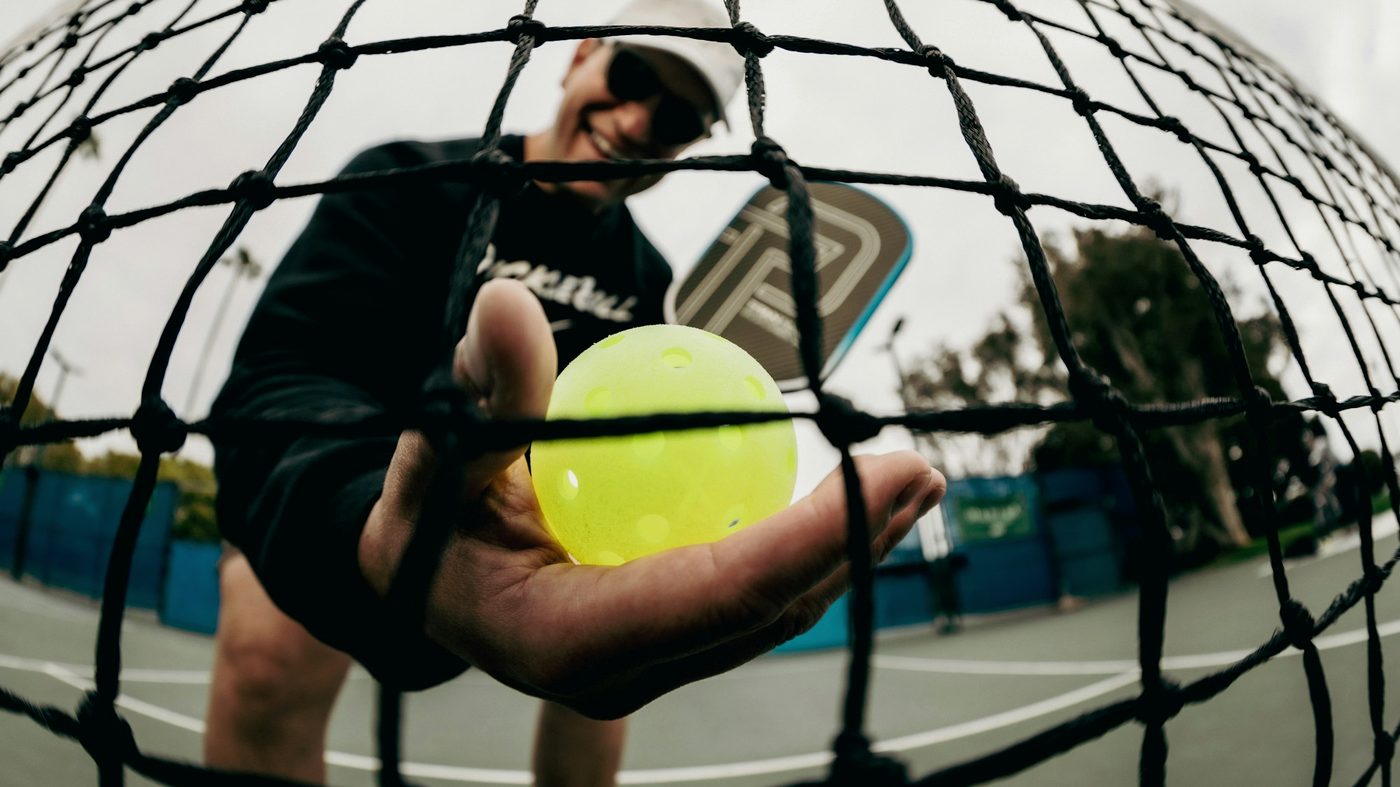
Pickleball player holding a ball up to the net
Booking windows are the most common membership lever
Measure (Coala survey of published prices, Oct 2026)Figure
Median core monthly membership, US pickleball$149 (n=8, range $59 to $219.99)
Median core monthly membership, Canada pickleballabout C$140 (n=8)
Median cheapest paid tier$79.50 US (n=8); C$49.50 Canada (n=8)
Median core monthly membership, US padel-led clubs$199 (n=5)
Clubs that vary booking window by tier17 of 22 that publish windows
Median top-tier booking window14 days (n=21)
Clubs that price by time of day (peak rates or daytime tiers)14 of 27; off-peak discounts 11% to 40%
Daytime-only tier vs full tiermedian 66% of the full price (n=6, including one Fairgrounds location outside the 27)
Clubs with an annual or prepaid option15 of 27; savings about 6.5% to 22%
Couple plan vs two singlesmedian 93% (n=6)
Clubs with free guest passes10 of 27, commonly 4 a month
Clubs including free clinic or league entry in a tier11 of 27
Clubs running founding-member offers6 of 27, capped at 50 to 100 spots
Clubs publishing a trial5 of 27

One example of a ladder: The Picklr's Seattle (Fremont) location runs from a $30, 15-day trial to a $369 family plan. Its tiers are priced mainly on booking window, 14 days at the top versus 7 below.

What it means for your club: price on access, not on hours. A longer booking window is the cheapest perk you can sell.

Why do pickleball players play less or stop?

Crowded courts and not finding a good match. In SFIA and DUPR's 2025 survey of 1,102 avid DUPR players, 44.4% said courts are overcrowded, 39.2% struggle to find opponents at their level and 31.9% have scheduling conflicts. 48% want to play more often. About 3.4 million players stopped playing in 2023.

Barrier (avid players)Share
Overcrowded courts44.4%
Hard to find opponents at their level39.2%
Scheduling conflicts31.9%
Want to play more often48%

Source: SFIA/DUPR 2025 Pickleball Market Playbook, n=1,102 avid DUPR players.

The churn number needs care. About 3.4 million players stopped playing in 2023, according to SFIA data as reported by The Kitchen. That's a count, not a rate, and there's no published figure for later years.

Avid players do spend money once they're in. Among those reporting each cost, the average was $913 a year on facility fees, $688 on lessons, $517 on tournaments and $402 on league fees (SFIA/DUPR). And 60% of avid players are in a league (Sports Destination Management, reporting the same study).

What it means for your club: leveled play and fair booking rules aren't nice extras. They're your retention plan.

When do pickleball players join and leave a club?

In cold markets, players join in fall and January and drift away in summer. Gym data is the best public guide: US gym visits jumped about 21% from December 2024 to January 2025, per Placer.ai. Gymdesk, a gym software vendor, found about two-thirds of trial conversions happen within 14 days.

Retention signalFigureSource
Jump in US gym visits, Dec 2024 to Jan 2025about 21%Placer.ai (gym foot traffic, vendor)
Trial conversions within 14 daysabout two-thirdsGymdesk (vendor, mostly martial-arts gyms)
Members visiting less than every 2 weeks who cancelled within 2 years44.2%, vs 23.2% of members visiting 3+ times a weekGymdesk (vendor)
US fitness operators' member retention, 2024 operationsabout two-thirdsHealth & Fitness Association
Gym members who made a friend in the last 3 months40% less likely to cancel (gym research, 2017)Hillsdon and Bedford

These are gym numbers, not pickleball numbers. Gym research suggests the same thing every club owner sees: people who play at a fixed time with friends stay.

What it means for your club: follow up every trial inside two weeks, put new members in a weekly league or ladder, and have a summer offer ready before May.

How big is padel in North America?

Small, but growing fast. SFIA measured padel for the first time in 2025 and found about 1.07 million US players, about 238,000 of them playing 8 or more times. The US passed 1,000 padel courts in April 2026, according to the USPA. Where one club prices both sports, padel costs about 1.3 to 2 times as much.

MeasureFigureSource
US padel players, 2025about 1.07 millionSFIA/USPA
US core padel players (8+ times), 2025about 238,000SFIA/USPA
US padel courtsjust over 1,000 (April 2026)USPA
USPA individual members, 20252,915USPA
USPA member clubs, 2025108USPA
Padel price vs pickleball at the same clubabout 1.3 to 2x (3 clubs)Coala survey of published prices, Oct 2026

What it means for your club: if you add padel, you're selling a premium sport to people who've mostly never played. Intro sessions come first.

What do the numbers mean for a club owner?

The market is big, mostly casual and still growing. Players want more court time and better matches, and they pay for leagues, lessons and facilities. Most clubs sell memberships priced on booking access. So the plan is to turn casual players into members, then keep them with leveled, scheduled play.

If I ran a 6 to 12 court club, here's what I'd take from this page:

  1. Build for the casual majority. Two in three players are casual.
  2. Tier on booking window. 17 of 22 clubs that publish windows already do.
  3. Fix matching before you buy ads. It's a top barrier for avid players.
  4. Get new members into a league in month one. Routine is what keeps people.
  5. Plan around the cold. Sell fall and January hard, and have a summer offer.

The full plan is in our pickleball club marketing guide. For the complete pricing survey, the calendar and seven plays, get the free Full Courts playbook.

How we compiled these numbers

Every figure was opened at its source on 8 October 2026 for our Full Courts playbook research, then checked a second time. Participation, court and barrier figures come from SFIA, USA Pickleball, Pickleheads, Pickleball Canada, the USPA and the Health & Fitness Association. Vendor figures (Placer.ai, Gymdesk) are labelled as vendor data.

Pricing figures come from our own survey of 27 pickleball and padel clubs (15 US, 12 Canada). We read each club's own website or booking page on 8 October 2026. Prices are as published: USD for US clubs and CAD for Canadian ones, before tax. We didn't use any "average membership cost" articles. Where a sample is small, we show n.

Sources
Coala Studio · Sports marketing

Want more members on your courts, not just more bookings?

We're a sports marketing agency that fills memberships, leagues and clinics around your season. On a 30-minute call we'll look at your club and tell you what we'd build first. If it's something you can do yourselves, we'll say so.

30-minute call · free
Map my next season
Questions

Pickleball statistics FAQ

How many people play pickleball in the US?

SFIA counted 24.3 million US players in 2025, up from 4.2 million in 2020. About 7.5 million were core players who played 8 or more times in the year.

How many people play pickleball in Canada?

Pickleball Canada's 2026 survey counts about 1.8 million Canadian players, up from 1.54 million a year earlier. Ontario, Quebec and BC have the most players.

How much does a pickleball club membership cost?

In our October 2026 survey of published prices, the median core monthly membership at US pickleball clubs was $149 (n=8). Canadian clubs were about C$140 a month (n=8).

How many pickleball courts are there in the US?

USA Pickleball and Pickleheads counted 68,458 known US courts at the start of 2025, including 18,455 added during 2024.

Why do pickleball players stop playing?

Among avid players in SFIA and DUPR's 2025 survey, the top barriers were overcrowded courts (44.4%), finding opponents at their level (39.2%) and scheduling conflicts (31.9%).

Categories
Sports Marketing

Golf Simulator Business Statistics 2026

Industry statistics · Golf simulators
The short answer

US simulator and screen-golf users more than doubled, from 3.8 million in 2015 to 8.1 million in 2024, according to the National Golf Foundation (NGF). NGF now counts at least 1,500 commercial golf simulator businesses in the US.

Every number on this page was opened and checked in October 2026 for our indoor golf research. Each one has its source and date. Where a number is ours, from our own survey of 26 venues, we say so.

Key stats

48.1 million
Americans age 6+ played golf on or off the course in 2025, a record.
NGF
19 million
Americans played golf only off the course in 2025: ranges, simulators and entertainment venues.
NGF
About 38 million
Americans played golf away from a course in 2025.
NGF
3.8 million
US simulator and screen-golf users went from 3.8 million in 2015 to 8.1 million in 2024.
NGF, 2025
51%
of simulator users hadn't played a round on a golf course in the previous 12 months.
NGF, 2025
at least 1,500
NGF counts at least 1,500 commercial golf simulator businesses in the US, nearly three times its 2022 count.
NGF, Nov 2025
28 million
More than 28 million non-golfers say they're very interested in trying entertainment or simulator golf.
NGF, Apr 2026
41%
Golf Canada says about 41% of Canadian golfers have played simulator golf, up from about 23% in 2022.
Golf Canada
$55
Golf facilities report about $55 per simulator session, plus about $40 in food and drink per visit.
NGF operator survey of 354 facilities, 2025
22 of 26
indoor golf venues we surveyed sell a membership.
Coala survey of published prices, Oct 2026, n=26
$149
Median entry-level monthly membership at the US venues we surveyed: $149.
Coala survey of published prices, Oct 2026, n=14
18 of 26
venues we surveyed offer 24/7 access.
Coala survey of published prices, Oct 2026, n=26
91%
In December 2025, outdoor rounds fell 91% in Pittsburgh and 87% in Cleveland year over year.
Golf Datatech / NGF
1 in 4
Only about 1 in 4 beginners becomes a committed golfer.
NGF

How big is the golf simulator market in 2026?

The off-course side of golf is now huge. NGF says 48.1 million Americans played golf in 2025, on or off a course. About 38 million played away from a course, and 19 million played only off it. Simulator users more than doubled in a decade, from 3.8 million in 2015 to 8.1 million in 2024.

MeasureFigureSource
Americans who played golf (on or off course), 202548.1 million (a record)NGF
Played on a golf course, 202529.1 millionNGF
Played away from a course, 2025about 38 millionNGF year-end letter, Dec 2025
Played only off the course, 202519 millionNGF
US simulator and screen-golf users3.8M (2015) to 8.1M (2024)NGF white paper, Apr 2025
Non-golfers very interested in trying sim or entertainment golf28 million+NGF, Apr 2026

That last number is stated interest, not demand. Still, it tells you the pool of people who might try a bay is bigger than the pool of people who already golf.

In Canada, the R&A counts 7.1 million adults playing golf in some form and 5.8 million playing 9 or 18 holes. Golf Canada says about 41% of Canadian golfers have played simulator golf, up from about 23% in 2022. Golf Canada doesn't name the survey behind that figure, so treat it as a direction, not a census.

What it means for your club: the market isn't the problem. Turning a one-off visitor into a member is.

Who uses golf simulators?

Half of them aren't regular course golfers. NGF's 2025 white paper found 51% of simulator users hadn't played a round on a golf course in the previous 12 months, up from 42% a decade earlier. Weather is the top reason people use simulators (59%), followed by practice (43%) and swing analytics (34%).

Why people use simulatorsShare
Play regardless of weather59%
Practice43%
Analytics and data34%
Extended hours23%
Play virtual courses22%

Source: NGF, The Golf Simulator Opportunity, Apr 2025.

Two more things about who's playing. Simulator participation among golfers 50 and over grew 184% over four years, from a small base, and under-50s added more than 3 million participants (NGF, Nov 2025). And roughly two-thirds of new green-grass golfers had played off the course first (NGF, Feb 2026).

I think golf attracts successful people when it's marketed right, and a sim club is a great place to meet them. But your offer has to work for the half who don't think of themselves as golfers yet. Lead with fun, leagues and getting better. Don't lead with handicaps.

What it means for your club: market to two audiences, the winter golfer and the social non-golfer, with different ads and different first offers.

How many golf simulator businesses are there?

NGF counts at least 1,500 commercial golf simulator businesses in the US, nearly three times its 2022 count. NGF says the count isn't exhaustive, and part of the jump comes from better counting, not only new openings. On golf courses, about 6.5% of facilities had simulators in NGF's 2025 survey.

Simulators are more common at golf facilities in cold regions:

RegionShare of golf facilities with simulators
Midwest8.4%
North7.9%
South4%

Source: NGF, The Golf Simulator Opportunity, Apr 2025. These are shares of golf facilities, not of golfers.

The brands are growing too, though these are company claims. Five Iron Golf says it has 50+ locations in 20+ states and 7 countries (Sept 2026). X-Golf says it has 100+ locations. Meanwhile, big entertainment venues are softening: Topgolf's same-venue sales fell 6% in Q2 2025, according to a company filing.

What it means for your club: more competitors are opening nearby, so your edge is the community and the membership, not the hardware.

What do golf simulator memberships cost?

At the US venues we surveyed, the median entry-level membership with play included is $149 a month (n=14), and the median top individual tier is $269 (n=13). 22 of 26 venues sell some kind of membership. Most tiers are separated by how far ahead members can book, not by price per hour.

Friends laughing together over drinks on a night out
Food and drink adds about $40 to a $55 session at facilities with sims
Measure (Coala survey of published prices, Oct 2026)Figure
Venues that sell a membership22 of 26 (all 16 US, 6 of 10 Canadian)
Median entry-level monthly membership, US$149 (n=14)
Median top individual monthly tier, US$269 (n=13)
Canadian play-included tiers start aroundC$179 to C$185 (only 2 publish one)
Most common tier leverBooking window (10 of 17 multi-tier venues)
Median booking window, entry vs top tier7 days vs 14 days (n=13)
Median annual prepay savingabout 25% (8 venues, mixed comparisons)
Venues publishing an initiation fee0 of 26
Published founder memberships4 Swing 365 sites, median $6,500 plus $299 a year

No venue we surveyed publishes a standard initiation fee, though the four founder memberships work much like one.

Here's my opinion. I'd sell memberships over hourly bays every time. A member pays you in July. An hourly customer doesn't. And a longer booking window costs you nothing to give.

What it means for your club: price tiers on access (booking window, hours, guests), not on discounts, and sell the membership in the first visit.

What do indoor golf venues charge per hour?

At the Canadian venues we surveyed, the median non-member bay rate is about C$41 to C$44 at peak (n=10) and C$35 off-peak (n=7). The median US rate is $60 an hour (n=5), though most US membership clubs don't publish a public rate at all. Rates are per bay, not per person.

Measure (Coala survey of published prices, Oct 2026)Figure
Median non-member peak rate, Canadaabout C$41 to C$44 (n=10)
Median non-member off-peak rate, CanadaC$35 (n=7)
Median off-peak discount, Canadaabout 20% (n=7)
Median non-member rate, US$60 (n=5)

Food and drink matter too. At golf facilities with simulators, NGF's operator survey of 354 facilities found an average session of about $55, plus about $40 in food and drink per visit. That's an extra 73% on top of the bay.

What it means for your club: the bay is only part of the visit. Leagues and events that keep people in the building after their tee time lift revenue per visit.

When is golf simulator demand highest?

Demand follows the cold. When outdoor courses close, indoor bookings take over. In February 2025, outdoor rounds fell 70 to 90% year over year in Pennsylvania, Illinois, Ohio and Michigan. In December 2025, rounds fell 91% in Pittsburgh and 87% in Cleveland. Northern sim clubs sell their year between September and March.

Month or windowWhat drives demandSource
Feb 2025Outdoor rounds down 70 to 90% YoY in PA, IL, OH, MINGF / Golf Datatech
Dec 2025Rounds down 91% in Pittsburgh, 87% in Cleveland (Chicago down 22.5%)NGF / Golf Datatech
Black Friday, 27 Nov 202643% of US holiday shoppers planned to buy a gift card in 2025; spend forecast at $29.1BNRF
Holiday party season64% of US companies planned holiday celebrations in 2024Challenger, Gray & Christmas
2027 Masters, 8 to 11 AprilContent and event hook as courses reopenPGA Tour

Not every northern market drops the same. Chicago fell only 22.5% in December 2025. So check your own city's weather before you plan your calendar.

Summer is the hard part. Of the 26 venues we surveyed, none publishes a summer freeze or pause. Five sell a winter or season pass instead, and another five change their prices by season. One Canadian club's month-to-month adult rate runs C$450 from January to April and C$185 from June to September.

What it means for your club: sell winter in August and September, sell gift cards before Black Friday, and have a summer offer ready before April.

How well do golf simulator clubs keep members?

Nobody publishes good churn data for sim clubs, so use golf and fitness as the guide. NGF says only about one in four beginners becomes a committed golfer. Fitness clubs across 27 countries kept about 66.4% of their members in 2024 (HFA). Members who make friends at the club are far less likely to leave.

Retention signalFigureSource
Beginners who become committed golfersabout 1 in 4NGF
Played on a course in 2025 but not 20246 million+, yet on-course golf grew only about 1 millionNGF
Core golfers who say staff don't know their nameabout 1 in 3NGF, Mar 2025
Fitness clubs' average member retention, 202466.4% (HFA, 27 countries)Health & Fitness Association
UK gym members who made a friend at their club40% less likely to cancel (2013 data, gyms not golf)Hillsdon / TRP study

The friend effect is from gyms, not golf. Still, I think a league is the closest thing a sim club has to it. A fixed night with the same group is a reason to keep paying.

What it means for your club: know every member's name, get them into a league in the first month, and call anyone who hasn't booked in 30 days.

What do the numbers mean for a sim club owner?

The market is big and still growing, and half of simulator users aren't regular course golfers. Most venues sell memberships, priced on access. Demand is seasonal, and food, drink and leagues lift each visit. So the winning plan is simple: sign members in winter and give them a reason to stay in summer.

If I ran a sim club, here's what I'd take from this page:

  1. Sell memberships, not hours. 22 of 26 venues already do.
  2. Tier on booking window. It's the most common lever, and it's free.
  3. Plan the year backwards from November. Winter is sold in the fall.
  4. Have a summer offer before April. Nobody we surveyed publishes a pause.
  5. Build leagues early. It's the best retention tool you've got.

We wrote the full plan in how to market a golf simulator business, including the Black Friday gift card push.

How we compiled these numbers

Every figure was opened at its source between 8 and 9 October 2026 for our indoor golf playbook research, then checked a second time. Market and seasonality figures come from NGF, Golf Datatech, Golf Canada, the R&A, NRF and Challenger, Gray & Christmas. Company location counts are company claims, and we say so.

Pricing figures come from our own survey of 26 indoor golf venues (16 US, 10 Canada). We read each venue's own website or booking page on 9 October 2026. Prices are as published: USD for US venues and CAD for Canadian ones, before tax. We didn't use any "average cost" articles. The sample leans toward venues that publish their prices, so treat the medians as a guide, not a census. Where a sample is small, we show n.

Sources
Coala Studio · Sports marketing

Want more members, not just more bookings?

We're a sports marketing agency that fills memberships, leagues and events around your season. On a 30-minute call we'll look at your winter plan and tell you what we'd build first. If it's something you can do yourselves, we'll say so.

30-minute call · free
Plan my winter season
Questions

Golf simulator statistics FAQ

How many people use golf simulators in the US?

NGF counted 8.1 million US simulator and screen-golf users in 2024, up from 3.8 million in 2015. In 2025, 19 million Americans played golf only off the course, at ranges, simulators and entertainment venues.

How many golf simulator businesses are there in the US?

NGF counts at least 1,500 commercial golf simulator businesses, nearly three times its 2022 count. NGF says the count isn't exhaustive, and some of the growth comes from better counting.

How much does a golf simulator membership cost?

At the US venues we surveyed in October 2026, the median entry-level membership with play included was $149 a month (n=14), and the median top individual tier was $269 (n=13).

How much do indoor golf venues charge per hour?

In our October 2026 survey, the median non-member peak rate at Canadian venues was about C$41 to C$44 per bay (n=10), and the median US rate was $60 (n=5). Rates are per bay, not per person.

When is the busiest season for golf simulators?

In northern markets, it's when courses close, roughly November to March. NGF data shows outdoor rounds fell 87 to 91% year over year in Cleveland and Pittsburgh in December 2025.

Categories
Sports Marketing

Winter Break Camp Marketing: An 8-Week Countdown to December 2026

Sports marketing guide · Camps
The short answer

Winter break camp marketing works when you start in late October, sell each week of the break separately, and close registration about 10 days before camp starts. For most schools in Surrey, Toronto and Seattle, winter break 2026 runs Monday 21 December to Friday 1 January, so your selling window is roughly now to Friday 11 December.

That's eight weeks. Here's what I'd do in each one.

If you want the general camp plan first, read how to fill a youth sports camp. This article is the dated version for this December.

When is winter break 2026, and when should you start marketing?

In the three districts I checked, winter break 2026 runs 21 December to 1 January, and Toronto students go back on Monday 4 January. Parents are booking December childcare now. Start marketing in the last week of October, and plan to close registration around 11 December so you can staff the camp properly.

Winter break 2026 dates

DistrictWinter breakBack to schoolSource
Surrey Schools (BC)Mon 21 Dec 2026 to Fri 1 Jan 2027Not stated on the district page; check your schoolSurrey Schools district calendar, Aug 2026
Toronto District School Board (ON)Mon 21 Dec 2026 to Fri 1 Jan 2027Mon 4 Jan 2027TDSB key dates
Seattle Public Schools (WA)21 Dec 2026 to 1 Jan 2027After 1 Jan 2027SPS 2026-27 calendar

Check your own district before you print anything. Private schools often break earlier.

One thing worth noticing: 25 December and 1 January are both weekdays this year. So the break gives you at most eight weekday camp days: 21 to 24 December and 28 to 31 December. Fewer if you close on Christmas Eve or New Year's Eve.

Should you sell winter break as one camp or two?

Sell it as two. I think a "Holiday Week 1" (21 to 24 Dec) and a "Holiday Week 2" (28 to 31 Dec) fill better than one two-week block. Plenty of families are away for one of those weeks. Two short camps give every family a week that fits, and a two-week discount still rewards families who want both.

Coach and young basketball players with their hands together in a huddle
Two short weeks fill better than one long block

How I'd set it up:

  1. Two landing pages, or one page with two clear buttons. Each week gets its own dates, price and spots left.
  2. Full-day and half-day options. Working parents need full days. Half-days are an easy yes for families who are home.
  3. A small two-week discount. It rewards families who book both, and it fills your quieter week.
  4. A cap per week. Publish it. A real number of spots makes the deadline believable.

I'd expect one of the two weeks to be harder to fill. Your registrations will tell you which by mid-November. That's where the two-week offer and your returning families do the work.

What should you do this week, before ads go live?

Get the page live and tell last year's families first. Before you spend a dollar on ads, you need dates, hours, ages, price and one registration button on a page that works on a phone. Then give returning families a short head start. They're your cheapest registrations and they'll fill your first spots.

Your checklist for the week of 26 October:

  1. Lock dates and staff. Coaches, rink or gym time, and the cap for each week.
  2. Build the page. Headline with sport, ages and dates. Daily schedule, price, what to bring, coach names, one form.
  3. Set the early-bird deadline. I'd use Sunday 22 November, before Black Friday week.
  4. Email and text returning families. Give them 7 days before the public launch.
  5. Film something. Even 30 seconds of a regular practice. You'll need it for ads next week.

If your page isn't sure whether it's a website or a booking page, our take on landing pages vs websites will help.

What happens week by week from November to camp?

From November, you run ads to parents near your facility, post the camp twice a week, and push hard in the last three weeks before registration closes. The early-bird deadline sits in the middle and pulls undecided parents forward. Every inquiry gets a reply the same day, because that's usually where camps lose registrations.

The countdown

Week ofWhat to do
Mon 26 OctPage live. Returning families get first access. Film footage.
Mon 2 NovPublic launch. Meta ads on, to parents within a realistic drive. Google search ads on "[sport] camp [city]" and "winter break camp [city]".
Mon 9 NovFirst two camp posts on social. Reply to every inquiry the same day. Check: inquiries in vs registrations.
Mon 16 NovEarly-bird reminder email and ad. "Ends Sunday."
Mon 23 NovEarly-bird has ended. Switch messaging to "gift a camp week". Black Friday is Friday 27 Nov.
Mon 30 NovRetarget everyone who visited the page and didn't book. Post spots left, if that's true.
Mon 7 DecLast call. Registration closes Friday 11 Dec. Daily posts and a final email.
Mon 14 DecConfirmation email to every family: drop-off, pick-up, what to bring. Waitlist for anyone you turned away.
Mon 21 DecCamp starts. Film it. You're selling March break with this footage.

I'd put more budget into the last three weeks before the deadline. That's when undecided parents make up their minds.

If your ads get clicks and no registrations, the problem is usually the page or the follow-up, not the ad. More on that in why Meta ads get clicks but not leads.

How do you use Black Friday to sell a winter camp?

Sell the camp week as a gift. From the week of 23 November, frame it as "give your kid a week of hockey (or soccer, or skating) over the holidays." Black Friday is 27 November this year. Grandparents and parents are already buying gifts that weekend, and a camp week is one they can buy from you.

What I'd do:

  1. Add a gift option to the registration form, with a printable card.
  2. Keep the price the same. The gift angle is the offer. A Black Friday discount only trains families to wait.
  3. Send one email on Friday 27 November and one on Monday 30 November.
  4. Run one ad set with the gift message to the same parent audience.

This is a guess, but a sensible one: a gift card for a camp week is an easier buy for a grandparent than a pair of skates in the wrong size.

What do you do if the camp isn't filling by early December?

Look at your inquiries before you cut your price. If parents are asking and not booking, fix the follow-up first. If nobody is asking, widen the ad audience and push the deadline harder. Cutting the price in the last week rewards the families who waited and annoys the ones who paid early.

Work through this in order:

  1. Count inquiries vs registrations. If 20 parents asked and 5 booked, call the other 15 today.
  2. Check reply time. Every inquiry should get a real answer the same day.
  3. Merge or drop the weak week. If week 2 has 4 kids, offer those families week 1 or a half-day option.
  4. Ask your current players. A "bring a friend" spot for anyone already registered.
  5. Then, and only then, consider a last-minute offer. Make it an extra (a free half-day add-on), not a discount.

In my experience, leads come in and nobody follows up. That's usually the leak, not the ad spend.

How do you turn December campers into March break registrations?

Ask them before the camp ends. Families who come in December are your easiest March break registrations, because they already trust your coaches and their kids already want to come back. Send the March break dates with the end-of-camp video, and give them first pick before you announce publicly in January.

In Surrey and Toronto, the 2027 spring break is 15 to 19 March, so families start deciding in January. What I'd send:

  1. Last day of camp: a short highlight video and a thank-you.
  2. Same email: "March break camp is 15 to 19 March. Want first pick?"
  3. First week of January: returning-family registration opens, 7 days before the public.
  4. Ask for a Google review by text the week camp ends, while it's fresh.

That's how one camp sells the next. It's also how a camp program grows. One of our clients, BC Prep, has had 175+ camp sign-ups with us and 400 leads in 6 months at under $7 a lead. Every camp you run is footage and families for the next one.

Sources
Coala Studio · Sports marketing

Want your winter break camp full before 11 December?

We're a sports marketing agency that fills camps, tryouts and memberships around your season. On a 30-minute call we'll look at your December camp and tell you what we'd do this week. If it's something you can do yourselves, we'll say so.

30-minute call · free
Map my winter camp
Questions

Winter break camp FAQ

When is winter break 2026?

In Surrey Schools, the Toronto District School Board and Seattle Public Schools, winter break runs Monday 21 December 2026 to Friday 1 January 2027. Toronto students go back on Monday 4 January. Check your own district, since private schools and other districts vary.

When should I start marketing a winter break camp?

In the last week of October. Get the page live and give returning families first access that week, then launch ads to the public in the first week of November.

When should winter break camp registration close?

I'd close it around Friday 11 December for a camp starting 21 December. That gives you a week to confirm staff and send families their drop-off details.

Should I offer a Black Friday discount on camp?

I wouldn't. Sell the camp week as a gift that weekend at the normal price. Discounts late in the window reward families who waited.

How many camp days are there over winter break 2026?

Up to eight weekdays: 21 to 24 December and 28 to 31 December. Christmas Day and New Year's Day both fall on weekdays this year.