Categories
Sports Marketing

Padel Club Marketing: How to Sell a Sport Most People Haven’t Played

Sports marketing guide · Padel
The short answer

To market a padel club, sell the first game before you sell the membership. Run intro sessions, show first-timers how the game works in short videos, pre-sell founding memberships before you open, and get new players into leagues fast so they keep coming back.

I think padel clubs have to sell the first game, not the membership. Almost nobody has played it yet.

How big is padel in North America?

Small but growing fast. SFIA measured US padel for the first time in 2025 and counted about 1.07 million players, of whom about 238,000 played 8 or more times. The US Padel Association says the country passed 1,000 padel courts in April 2026. Most Americans still haven't tried it, which is the opportunity and the challenge.

Compare that with pickleball's 24.3 million US players in 2025. Padel is where pickleball was a few years ago: people are curious, but they need a reason to book the first court.

Why is padel harder to market than pickleball?

Because people don't know what it is. Pickleball has public courts in most towns, so new players have often tried it before they walk into a club. Padel mostly lives in private clubs, so your marketing has to explain the game, make the first session feel easy and give people a reason to come back. That's three jobs before you ever sell a membership.

It also costs more. In our survey of 27 pickleball and padel clubs, where one club priced both sports, padel cost about 1.3 to 2 times as much as pickleball. People will pay that, but only once they know they like it.

How do you get people to try padel?

Make the first session cheap, social and coached. A 60 to 90 minute intro with a coach, rackets and balls included, and other beginners in the room, removes every excuse. Then film it. A 30-second reel of four first-timers laughing through their first rally sells the next session better than any explainer.

What works as a first step:

  1. Intro clinics for complete beginners, with gear included.
  2. Bring-a-friend nights where members bring someone new.
  3. Pickleball and tennis crossovers. Offer existing racquet players a "try padel" session.
  4. Corporate team sessions, which bring four new players at once.

Padel racket and yellow balls on a blue court, seen from above

Should a new padel club sell founding memberships?

Yes, if you can. A capped founding membership with a locked rate gives you cash and a committed core before you open. Padel + Pickle near St. Louis sold founding memberships before opening, held a private Founder's Weekend that about 70 people attended, and drew 400 to 500 people to its open house, the founder told The Padel State in March 2024.

How I'd run it:

  • Cap it (50 to 100 spots is common in our survey) and show how many are left.
  • Lock the rate for as long as they stay.
  • Give founders something only they get: a private preview, early booking or a name on the wall.

How do you keep padel players coming back?

Get them into a league or a regular group in their first month. Padel is played in pairs, so a player who has a partner and a weekly slot has two reasons to show up. Interclub leagues are starting too: the National Padel League had nearly 2,000 players in its first season, according to the US Padel Association.

The retention plan:

  1. Week 1: a follow-up message after the intro, with the next beginner session.
  2. Week 2 to 4: a level-matched social mixer or a beginner league.
  3. Day 30: a member offer for anyone who's played three times.
  4. Every season: a club tournament people can film and share.

What content should a padel club post?

Content that teaches and shows the fun. Most of your audience has never played, so short videos explaining the walls, the serve and the scoring work alongside rallies, member stories and league nights. Real players on your courts beat stock footage every time.

A weekly mix:

  • One "how padel works" clip (the walls, the serve, scoring).
  • One rally or highlight from members.
  • One first-timer story.
  • One post about what's on this week: intro sessions, leagues, socials.

How should a padel club price memberships?

Price on access, not just hours. Booking windows, included sessions and priority for leagues are what regular players pay for. In our survey, padel memberships were more often sold as passes or credits (a set number of games) than as unlimited plans, which suits a sport where people are still deciding how often they'll play.

The full pricing breakdown, including real padel ladders, is in our free club playbook.

Sources
Coala Studio · Sports marketing

How to fill your pickleball and padel club

Free, and every chapter ends with something to do on Monday. Real pricing from real clubs, a 12-month calendar and the plays that turn first visits into members.

Questions

Questions, answered

How do you market a padel club?

Sell the first game before the membership. Run coached intro sessions, film first-timers, pre-sell founding memberships before you open, and get new players into leagues in their first month.

How many people play padel in the US?

About 1.07 million Americans played padel in 2025, SFIA's first measurement, and about 238,000 played 8 or more times. The US passed 1,000 padel courts in April 2026.

Should a padel club sell founding memberships?

If you can. A capped founding membership with a locked rate builds a committed core and cash before opening. Caps of 50 to 100 spots are common.

How do you keep new padel players?

Get them a partner and a weekly slot in their first month, through beginner leagues or level-matched socials, and follow up after every intro session.


Categories
Sports Marketing

How to Run a Golf Simulator League That Fills Your Bays All Winter

Sports marketing guide · Indoor golf
The short answer

A golf simulator league is a fixed weekly slot, a set number of weeks, a handicap system and a prize. Run it for 7 to 10 weeks with a playoff, sell it 4 to 6 weeks before week one, and use it to turn one-off visitors into regulars and members.

I think a fixed weekly slot with the same group is one of the strongest things keeping someone in a club. A league is how you build one.

Why should an indoor golf club run a league?

Because a league turns one booking into eight or ten. The same people come back on the same night every week, they bring friends to watch, and they buy food and drink while they're there. It also fills the nights that are hardest to sell. Golfzon's advice, as reported by Golf Digest in May 2026, is to run a venue like a bowling alley: weekday leagues, weekend walk-ins.

There's a retention case too. A UK study of 10,000 gym members (2013 data) found members who made a friend at their club were 40% less likely to cancel. That's gyms, not golf, but a league is the easiest way to give a new member a regular group.

What format should a golf simulator league use?

Keep it simple: teams of two or four, nine holes a week, handicapped, with standings and a playoff. Most clubs run a set number of weeks plus a finals night. The format matters less than the habit. A night people can plan their week around is what keeps them coming.

Real formats clubs publish:

Club or toolFormat
Five Iron Golf (2019)7 weeks plus a week-8 playoff, teams of 4, Monday or Tuesday nights, winning team gets an open bar for up to 30
X-Golf Solon, OhioHandicap from each player's last 8 nine-hole rounds, top teams make the playoffs, pre-play allowed up to a week ahead
Pinecrest Golf Course (Virginia) winter Trackman leagueFour 9-hole rounds from January to April, three-week window per course, best score counts, $40 league fee

How long should a golf simulator league run?

Seven to ten weeks plus a playoff works for most clubs. It's long enough to build a habit and short enough that people commit. Run two sessions through the winter, January to early March and March to April, so there's no gap where players drift away.

Allow pre-play. X-Golf's Solon location lets teams play their round up to a week early. A missed week is the most common reason a player drops out, so make it easy to catch up.

How do you handle handicaps?

Use the simulator's own scoring and a simple rule everyone understands. X-Golf's Solon location sets each player's handicap from their last 8 nine-hole rounds, and offers 50% off a bay hour booked to set it. That discount doubles as a way to get new players in before the league starts.

The software has caught up too. Trackman launched a Leagues feature in October 2025 that runs individual or team leagues with a central leaderboard, and Golfzon named Golf Genius its tournament management partner in January 2026. Check what your system offers before building spreadsheets.

What should the league cost and include?

Price the league so it's clearly better value than booking the same hours one at a time, and include something members can't get otherwise: standings, a finals night, a prize. Many clubs make the league an add-on to a membership, or include it in the top tier. A league entry is also the easiest upsell for a gift card or first-time visitor.

A simple way to package it:

  1. League fee per player or team, covering the season's bay time.
  2. Member price below the public price, so the league sells the membership.
  3. A prize people want: a bar tab, a lesson, a free month.
  4. A finals night with food, photos and next season's sign-up open on the spot.
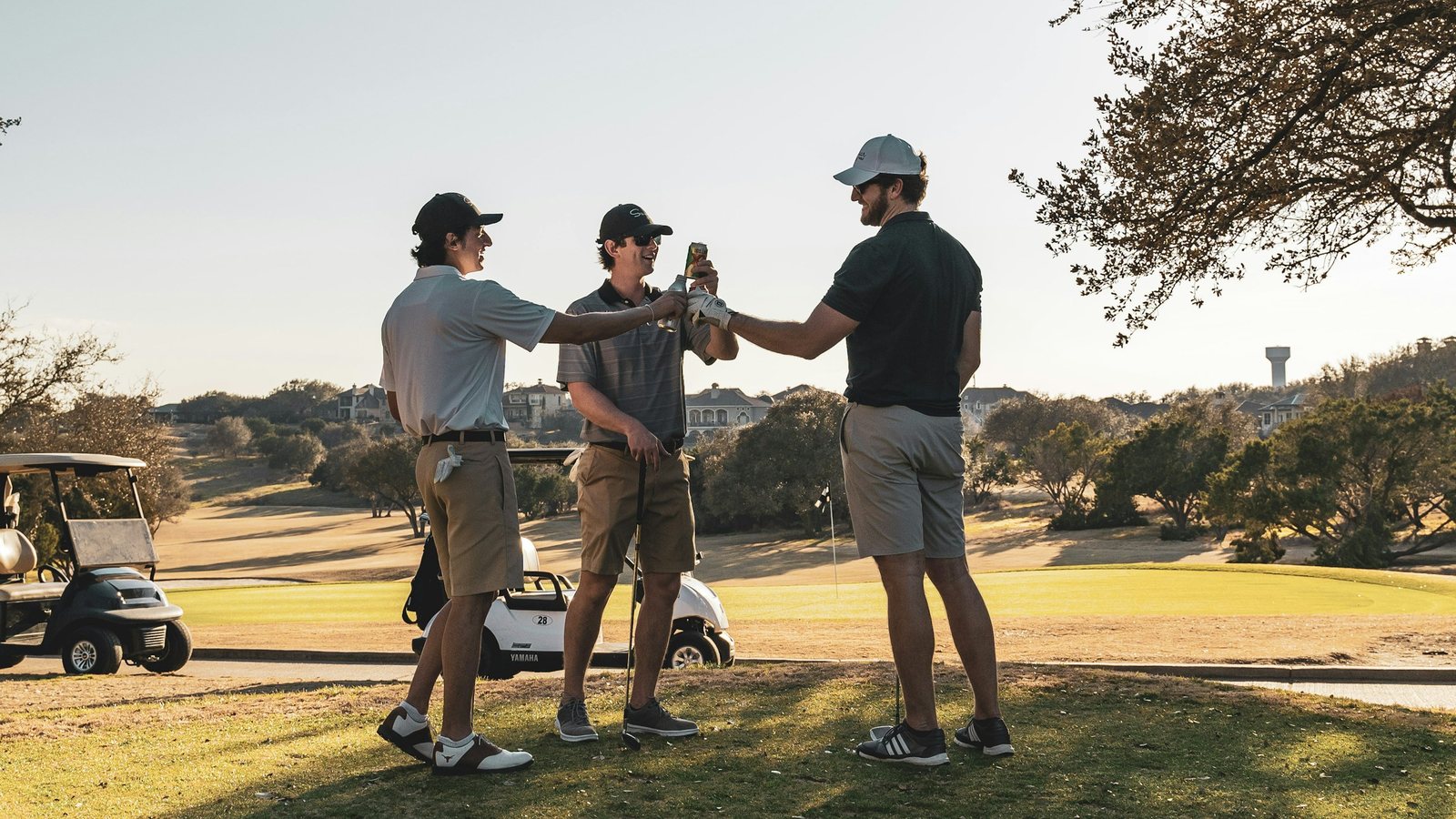
Three golfers toasting with drinks on a sunny course

How do you market a golf simulator league?

Give it a name, a night, a start date and one page, then start selling 4 to 6 weeks out. Members and last season's players hear first. Then post footage from the last finals night, run ads to golfers nearby and push corporate teams, who bring four players at a time.

The league marketing plan I'd run:

  1. Week minus 6: league page live, members get first access.
  2. Week minus 5: email past league players and gift card holders.
  3. Week minus 4 to minus 1: Meta ads to golfers within a sensible drive, a reel from last season, a "find a team" option for solo players.
  4. Corporate push: email local offices with a four-person team price.
  5. Last week: "spots left" only if it's true, and a hard registration close.

Then start selling the next session two weeks before this one ends.

When should a club start its winter league?

Start the first session in early January and sell it from mid-November. That catches the new-year energy, lines up with gift card redemptions and fills the post-holiday weeks. A second session from March keeps players coming until the courses open.

Sources
Coala Studio · Sports marketing

Want help filling your winter league?

We're a sports marketing agency that fills tryouts, camps and memberships around each club's season. On a 30-minute call we'll look at your next window and tell you what we'd build first. If it's something you can do yourselves, we'll say so.

30-minute call · free
See how we work
Questions

Questions, answered

How do you start a golf simulator league?

Pick a fixed weekly night, set 7 to 10 weeks plus a playoff, use teams of two or four with handicaps, add a prize, and sell it 4 to 6 weeks before week one, members first.

How long should a golf simulator league be?

Seven to ten weeks plus a playoff. Run two sessions through the winter so there's no gap between them.

How do handicaps work in a simulator league?

Use the simulator's scoring and a simple rule. One X-Golf location sets each player's handicap from their last 8 nine-hole rounds.

When should an indoor golf club start its winter league?

In early January, with sales starting in mid-November, then a second session from March.

Categories
Sports Marketing

Pickleball League and Clinic Marketing: How to Fill Every Session

Sports marketing guide · Pickleball and padel
The short answer

To fill a pickleball league, sell it by level, give it a fixed weekly slot and a hard start date, and market it 4 to 6 weeks before it starts. Clinics work the same way, and they're how you move beginners up to league play. Both are the best route from a casual drop-in to a paying member.

I think the league is the best membership tool a pickleball club has. Sell the league, and the membership sells itself.

Why do leagues matter so much for a pickleball club?

Because most players are casual, and a league is what makes them regulars. SFIA counted 24.3 million US pickleball players in 2025, but only 7.5 million played 8 or more times a year. Roughly two in three are casual (our calculation from SFIA figures). A league turns "sometimes" into "every Tuesday".

Avid players already want it. In the 2025 SFIA and DUPR survey of 1,102 avid players, 60% were in a league, and 48% said they want to play more often. They also said what gets in the way: 44.4% said courts are overcrowded and 39.2% struggle to find opponents at their level. A league fixes both. It books the court and it matches the level.

How long should a pickleball league run?

Six to eight weeks for a recreational league, and 8 to 12 for a competitive one, with one session a week. That's the guidance in Pickleball.com's organizer guide, and it fits a club calendar well: two or three league seasons through the winter, with no gap between them.

The gap is where you lose people. Open registration for the next season two weeks before the current one ends, and give current players first dibs.

How do you market a pickleball league?

Give it a name, a level, a night, a start date and a price, then put it on one page. "Tuesday 3.0 to 3.5 doubles league, 8 weeks, starts 12 January" sells. "Leagues available" doesn't. Start marketing 4 to 6 weeks out, and push hardest in the final 10 days.

The playbook I'd run:

  1. One page per league. Level, night, dates, format, price, what's included, and one sign-up button.
  2. Email your players first. Current members and drop-ins get a 48-hour head start.
  3. Post footage from the last season. Rallies, the finals night, the winners' photo.
  4. Ads to players within a sensible drive. Meta to people interested in pickleball, retargeting to anyone who visited the league page.
  5. A "find a partner" option. Let solo players sign up and you pair them. This removes the biggest excuse.
  6. A countdown. "6 spots left" is only worth saying when it's true.

How do you fill pickleball clinics?

Sell clinics as a ladder, not a list: intro, beginner, intermediate, then league-ready. Each clinic ends by pointing to the next step. Most rated players are still developing, and DUPR data reported by The Dink showed about 60% of active rated doubles players sit below 3.5, so beginner and intermediate clinics serve most of your market.

Make each clinic easy to buy:

  • A clear level and outcome ("Dinking and the third shot drop, 3.0 players").
  • A fixed small group size.
  • Four weeks, same night, same coach.
  • A direct offer at the end: "Join the 3.0 league starting 12 January."
Two blue pickleball paddles and yellow balls resting against a net

Should leagues be included in the membership?

Some clubs include them and some discount them, and both work. In our survey of 27 pickleball and padel clubs, 11 included free clinic or league entry in at least one tier, and most of the rest gave 10 to 25% off. The Picklr, for example, includes leagues on its unlimited tiers and gives half-price leagues on its entry tier.

What matters is that the league shows up in the membership pitch. A player who's in a league has a reason to pay monthly. Gym research suggests the social side keeps people too: a UK study of 10,000 gym members (2013 data) found members who made a friend at the club were 40% less likely to cancel. That's gyms, not pickleball, but I'd bet a league partner works the same way.

How do you keep league players coming back?

Treat finals night as an event and the next season as the obvious next step. Film it, post it, celebrate the winners, and open the next season that night. Events are content, and content is what the next round of players watches.

Follow up with everyone who didn't re-register within a week. A short personal message ("We kept your Tuesday spot, want it?") works better than another ad. Leads come in and nobody follows up, and that's usually the real leak.

When should a pickleball club run its winter leagues?

Run the first winter league from early January and pre-sell it in December. January is when people come back with new-year energy, and Placer.ai's foot-traffic data showed US gym visits in January 2025 were about 21% higher than in December. A league that starts that week catches it. Then roll straight into a spring league in March.

The short version

Sell leagues by level, night and start date, one page each. Market 4 to 6 weeks out. Build a clinic ladder that ends in a league. Put the league in your membership pitch. And open the next season on finals night.

For the full plan, including pricing from 27 real clubs and a 12-month calendar, grab our free pickleball and padel club playbook.

Sources
Coala Studio · Sports marketing

How to fill your pickleball and padel club

Free, and every chapter ends with something to do on Monday. Real pricing from real clubs, a 12-month calendar and the plays that turn first visits into members.

Questions

Questions, answered

How long should a pickleball league be?

Six to eight weeks for a recreational league and 8 to 12 weeks for a competitive league, with one session a week.

How far ahead should I market a pickleball league?

Start 4 to 6 weeks before it begins, give current players a 48-hour head start, and push hardest in the final 10 days.

How do I fill pickleball clinics?

Sell them as a ladder by level, keep the group small and the night fixed, and end each clinic with a direct offer to join the next clinic or a league.

Should pickleball leagues be included in a membership?

Many clubs include them or discount them. In our survey of 27 clubs, 11 included free clinic or league entry in at least one tier.

Categories
Sports Marketing

Golf Simulator Gift Cards: How to Sell More This Black Friday (and Turn Them Into Members)

Sports marketing guide · Indoor golf
The short answer

Golf simulator clubs sell the most gift cards between Black Friday (27 November 2026) and Christmas, so the page, the offer and the emails need to be ready by mid-November. The real money comes in January, when those cards come back as first visits you can turn into members.

I think a gift card is a first visit you haven't converted yet. So build the redeem-to-member offer before you sell a single card.

Why should an indoor golf club care about gift cards?

Because the holidays are when people buy experiences for golfers, and your club is an easy gift. The National Retail Federation forecast US holiday gift card spending at $29.1 billion for 2025, and 43% of holiday shoppers planned to buy at least one gift card. A bay hour with food and drink is an easy thing to give a golfer who already owns every gadget.

Then those cards get used fast. In a TSG and Bank of America survey of 1,002 US consumers, 87% of people who got holiday gift cards had used at least half of them by February 2026. That's a wave of first visits landing in your busiest months, when the courses are shut.

And a lot of those visitors aren't golfers yet. The National Golf Foundation found 51% of simulator users hadn't played a round on a golf course in the previous 12 months. The person holding the card might be a partner, a friend or a teammate. That's a new customer you didn't pay an ad platform for.

When should a golf simulator club start its gift card push?

Start in the first week of November and plan for four peaks: Black Friday weekend, the corporate gifting window in early December, the last shipping week, and last-minute digital cards right up to 24 December. Your page, your offer and your emails should all be live before 15 November.

Here's how I'd lay out the six weeks:

Dates (2026)What buyers are doingWhat you run
2 to 15 NovMaking lists. Booking holiday parties.Gift card page live. Email members a "gift a bay" preview. Corporate gifting outreach starts.
16 to 26 NovWatching for deals.Black Friday teaser to your list. Retarget site visitors.
27 to 30 NovBlack Friday to Cyber Monday.The bonus offer. Daily emails and stories. One clear end date.
1 to 14 DecOffice gifts and team parties.Corporate packs: 10 cards with a branded note. Push holiday bay buyouts.
15 to 24 DecLast-minute panic.Instant digital cards. "Print at home" message. Ads to golfers in your area.
Jan to FebRedeeming.The redeem-to-member offer (see below).

What gift card offer should an indoor golf club run?

Run bonus value, not a discount. Something like "buy $100, get $20 on top" keeps your hourly rate intact and still feels like a deal. A discount teaches people your bay is worth less. Bonus value gets them in the door and spending.

This is what the big chains do. Five Iron Golf's 2024 holiday release offered a $25 bonus on a $125 card, $65 on a $250 card and $150 on a $500 card, plus a $39 swing evaluation over the Black Friday weekend. Toronto's 6ix Iron sells prepaid credit all year with a bonus built in: $500 buys $600 and $1,000 buys $1,250.

Three rules for your offer:

  1. Tier the bonus. Bigger cards get a bigger bonus. It nudges the $100 buyer up to $150.
  2. Bundle a reason to come back. Add a lesson or a swing evaluation to the top tier. A lesson is a second visit.
  3. Set a hard end date. Black Friday to Cyber Monday (27 to 30 November). After that the bonus drops back.

How do you sell gift cards to companies?

Pitch office managers and HR leads in October and November with a corporate pack: a set number of cards, a bonus and a branded note. Then sell the holiday party itself. Challenger, Gray & Christmas found 64% of US companies planned holiday celebrations in 2024, so the party and the gift are often the same buyer.

Keep it simple. One page for corporate buyers, a price per 10 cards, and a form that books a call. Follow up every inquiry the same day. In my experience, leads come in and nobody follows up, and that's usually the real leak, not the ad spend.

Group of friends cheering as a woman bowls in a lounge-style venue

How do you turn gift card visits into members?

Treat every redemption as a membership lead. Capture the name and email at booking, give them a great first hour, and send a member offer within 48 hours. The offer should only work for gift card visitors and only for 30 days, so it feels like a reason to decide now.

Here's the sequence I'd build:

  1. At booking: ask for their email and whether they've played a simulator before.
  2. On the day: a staff member says hello by name, sets them up and mentions the member offer once.
  3. Within 48 hours: "Thanks for coming in. Here's your first month at member rates, valid for 30 days."
  4. Day 10: an invite to a league night or a beginner clinic.
  5. Day 25: last reminder before the offer ends.

Most of these visitors will play in January and February, your peak. That's when a member is worth the most, because they're booking the hours that would otherwise sit empty in a slow week.

And watch what the visit is worth. In an NGF survey of 354 golf facilities with simulators, operators reported about $55 per simulator session plus about $40 in food and drink per visit. Push the bar and the kitchen to card holders too.

Woman putting on a green while two golfers stand by and watch

What should the gift card page include?

One page, one job. It should sell the card in under a minute and work on a phone.

  • A headline with the offer and the end date.
  • Three or four card amounts, with the bonus shown on each.
  • Instant digital delivery and a print-at-home option.
  • What the card buys: a bay hour, food and drink, a lesson.
  • A short line for corporate buyers, linking to the corporate pack.
  • Your Google rating and two short reviews.
  • A FAQ: expiry, how to book, how many people per bay.

If you're running ads, send them here, not to your homepage.

The short version

Get the page and the bonus offer live by mid-November. Run Black Friday to Cyber Monday with a hard end date. Sell corporate packs in early December. Then treat January as membership season, because every card that comes back is a warm lead.

If you want the full winter plan, our free playbook covers the 12-month club calendar, membership pricing from 26 real clubs, and how to keep members through the summer.

Sources
Coala Studio · Sports marketing

How to fill your indoor golf club

Free, and every chapter ends with something to do on Monday. Real pricing from real clubs, a 12-month calendar and the plays that turn first visits into members.

Questions

Questions, answered

When should a golf simulator club start selling holiday gift cards?

In the first week of November. Have the page, the bonus offer and your emails live by 15 November, so you're ready for Black Friday on 27 November and the corporate gifting window in early December.

Should I discount gift cards on Black Friday?

I'd add bonus value instead, like "buy $100, get $20 on top". It keeps your hourly rate intact and still feels like a deal.

How do I turn gift card visitors into members?

Capture their email at booking, give them a great first hour, and send a member offer within 48 hours that only works for 30 days.

Who buys golf simulator gift cards?

Partners, family, friends and companies buying for staff or clients. Many people who redeem them aren't regular golfers, so your first visit has to work for beginners.

Categories
Sports Marketing

How to Fill Off-Peak Golf Simulator Bays

Sports marketing guide · Indoor golf
The short answer

You fill off-peak golf simulator bays by selling those hours as their own products: a daytime league, a weekday membership, coaching blocks and corporate lunch bookings. A plain discount rarely works on its own, because the people who are free at 10am on a Tuesday want a reason to come, not just a cheaper bay.

Here's how I'd build each one.

How do you fill off-peak golf simulator bays?

Build a product for each empty block, then market it to the people who are free at that time. Daytime hours suit retirees, shift workers, juniors after school and companies at lunch. Give each group a fixed slot, a reason to come back weekly, and a price that only works in that window. Then protect your evening and weekend rates.

The plan in five parts:

  1. List your empty blocks by day and hour.
  2. Match each block to a group that's free then.
  3. Build one product per block: league, membership tier, clinic or corporate package.
  4. Sell it with its own page, its own ads and a start date.
  5. Keep peak hours at full rate.

When are golf simulator bays usually empty?

Weekday daytime, late night and summer. The evening and weekend bays sell themselves in winter. Daytime is where the gap is, and the pricing pages prove operators know it: in Coala's survey of 26 indoor golf venues (Oct 2026), the median off-peak discount on published public rates was 20% at Canadian venues (n=7).

The same survey found many clubs build membership tiers around the clock. Of the 17 venues we surveyed with more than one paid tier, 7 restrict some tiers to certain days or times. A few examples from their own pricing pages:

VenueWhat they sell for quiet hours
6ix Iron, TorontoAn unlimited off-peak membership, plus 25% off peak time
Golfology, St. Petersburg FLAn "Early Birdie" unlimited tier, 10am to 5pm only
Joy House Golf, WinnipegA winter member rate for weekdays before 5pm
Clubhouse 24/7, Nova ScotiaCheaper hourly rates on weekday mornings and overnight

Summer is its own problem. We cover the full season in how to market a golf simulator business.

Should you discount off-peak golf simulator time?

Not on its own. A discount tells people the hour is worth less, and it rewards golfers who'd have come anyway. Use price to shape a product instead: a daytime membership that only works before 4pm, or a league with a fixed weekly slot. The product gives people a reason to come. The price keeps it in the quiet hours.

I think off-peak is a product problem, not a price problem. A 20% discount on a Tuesday morning nobody wants is still a Tuesday morning nobody wants.

One more reason to be careful: a permanent discount trains your best customers to wait. If peak and off-peak are the same golfers, you've just cut your own rate.

Who books a golf simulator on a weekday morning?

People whose time is free when everyone else's isn't: retirees and older golfers, shift workers, parents during school hours, juniors after school, and companies at lunch. Each group needs a different offer and a different message. Older golfers are a real and growing audience for simulators, so treat them as a segment, not an afterthought.

NGF's November 2025 research found simulator participation among golfers aged 50 and over rose 184% over four years. That's from a small base, so I wouldn't build the whole club around it. But it's a clear sign that weekday-daytime golfers are out there.

Who I'd target, by block:

  1. Weekday mornings: 50+ golfers and retirees. A weekly league or practice group.
  2. Late morning: parents during school hours. Lessons and short practice sessions.
  3. Lunch: local companies. Team bookings with food.
  4. After school: juniors. Clinics and coaching blocks.
  5. Late night (if you're 24/7): shift workers and keen golfers. Members-only access.
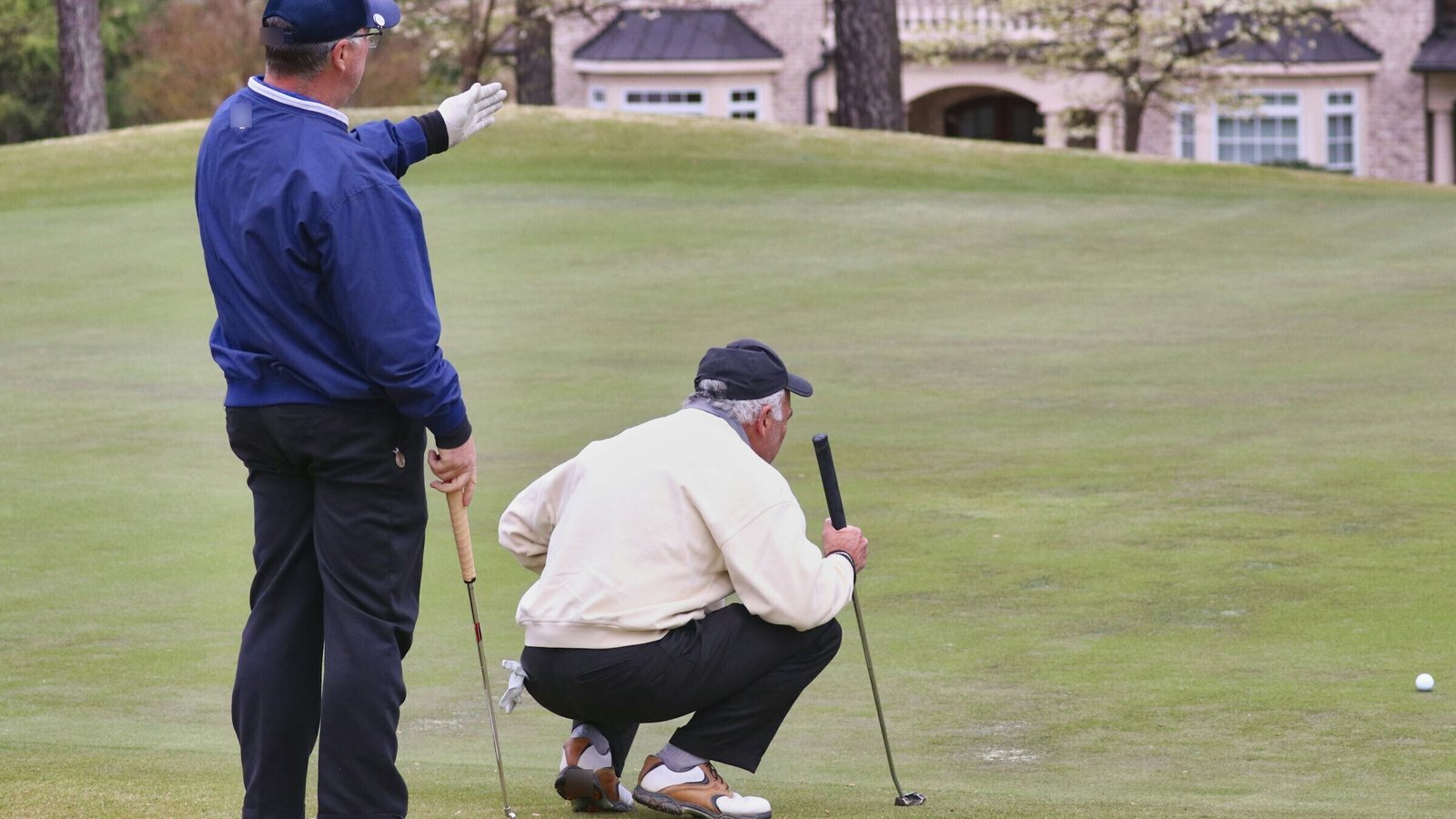
Two older golfers reading a putt together on a green

How do you run a daytime golf simulator league?

Give it a fixed weekly slot, a set number of weeks and a reason to show up: standings, handicaps, a prize. A daytime league turns an empty Tuesday morning into a booking that repeats for eight or ten weeks. The social side matters as much as the golf, because people come back for the group.

Golfzon's advice, as reported by Golf Digest in May 2026, is to run a venue like a bowling alley: weekday leagues, weekend walk-ins. That's the right frame for daytime too.

How I'd set one up:

  1. Pick the slot: for example Tuesday and Thursday, 10am to noon.
  2. Set the length: 8 weeks plus a finals week.
  3. Format: teams of 2 or 4, handicapped, 9 holes a week.
  4. Prize: a lunch, a lesson or a free month. Something that brings them back.
  5. Launch: sell it 4 to 6 weeks before week 1, to members first.

Then start selling the next session before this one ends.

How do you sell corporate lunch and team bookings?

Package it so an office manager can book it in one email: a 90-minute bay block, a short coached challenge and food, at a fixed price per head. Sell it to companies within a short drive, at lunch on weekdays when your bays are empty. Put it on its own page with a simple inquiry form.

Holiday parties are part of this window too. Challenger, Gray & Christmas found 64% of US companies planned holiday celebrations in 2024 (a survey of 173 HR leaders). Not every one is a sim booking, but the ones that are need a package ready to send in November.

What the package should include:

  1. Bay time for the group, with a set start and end.
  2. A closest-to-the-pin or long-drive challenge, with a host.
  3. Food and drinks, or a clear catering option.
  4. One price per person.
  5. Photos they can share internally.

How should a daytime membership work?

Make it clearly cheaper than a full membership, and clearly limited to the hours you need filled. Add guardrails so members can't hoard bays. Then use it as the entry point: a daytime member who loves the club is your easiest upgrade to a full membership in the evenings.

Guardrails I'd copy from published pricing pages:

  1. Hours: valid only in a defined window, like weekdays before 4pm.
  2. Daily cap: 6ix Iron caps members at 2 hours a day.
  3. One active booking: 6ix Iron also allows one active booking at a time.
  4. Booking window: a shorter window than full members (the median entry tier in our survey books 7 days out, against 14 for top tiers).
  5. Members-only hours: an Indoor Golf Club in New Jersey keeps hours after 9pm for members only, per Golf Digest (May 2026).

Five Iron Golf, for example, says its membership includes daily golf during weekday daytime "Member Benefit Hours." The principle is the same at any size: members fill the quiet hours, the public pays full rate at peak.

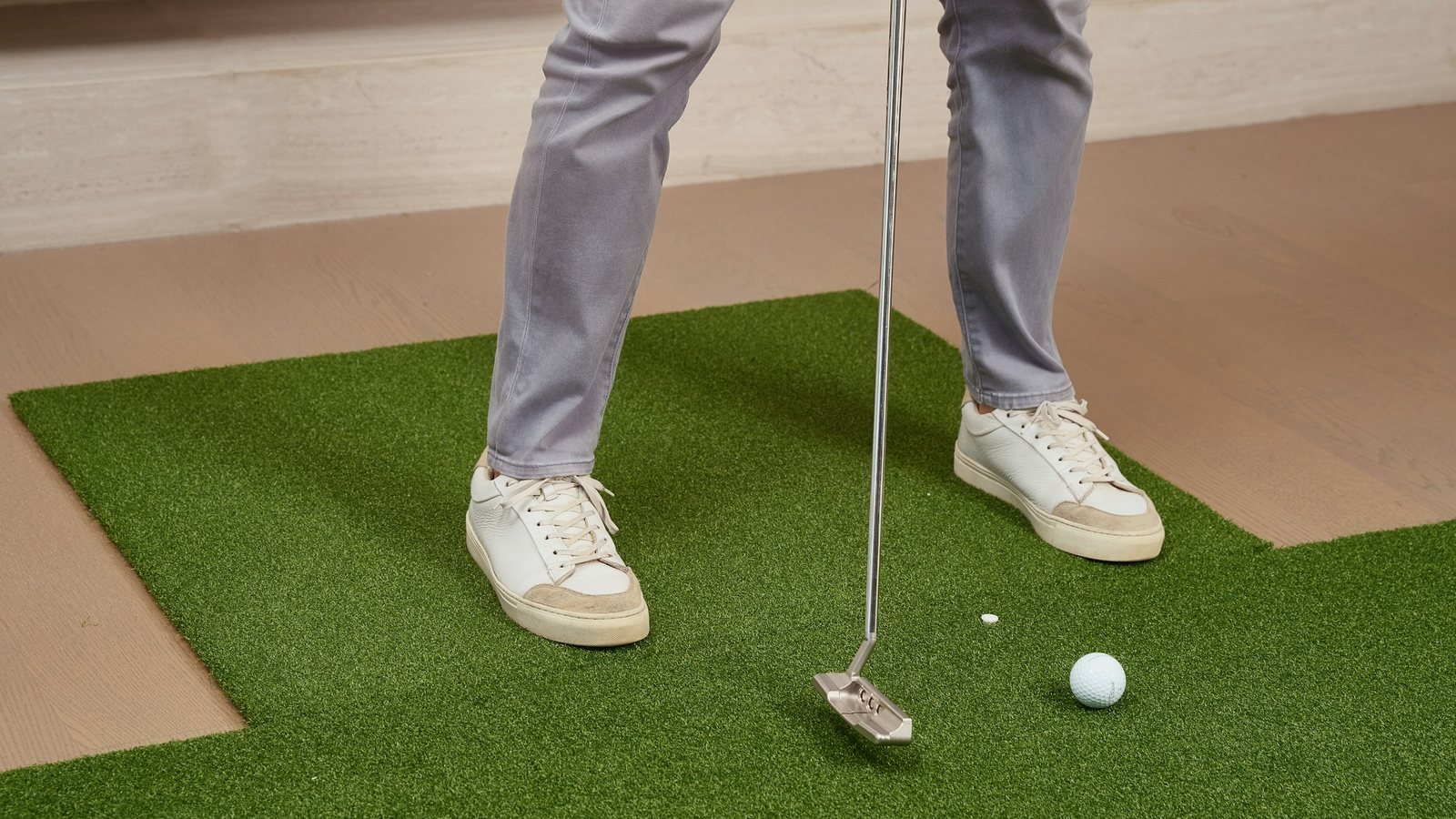
Close view of a golfer's feet and putter over a ball on an indoor mat

How do you market off-peak time without hurting peak prices?

Market each off-peak product to its own audience, on its own page, with its own ads. Don't put "cheap Tuesday mornings" on your homepage. Run Meta ads for the daytime league to 50+ golfers nearby, a corporate page for office managers, and a clinic page for parents. Your peak price stays the headline.

A simple off-peak marketing plan:

  1. One landing page per product, with the time window in the headline.
  2. Member email first, before public ads.
  3. Meta ads by audience: 50+ golfers near you, local businesses, parents.
  4. Google search: "golf simulator league [city]," "corporate golf event [city]."
  5. Film it: a 30-second reel of the daytime league having fun beats any discount banner.

Judge it on bookings in those hours, week by week. If Tuesday 10am isn't filling, change the product before you change the price. For more numbers on the market, see our golf simulator statistics, and for what we build for sim clubs, see golf simulator marketing.

Sources
Coala Studio · Sports marketing

Got empty bays on weekday mornings?

We're a sports marketing agency that fills memberships, leagues and bookings around your season. On a 30-minute call we'll look at your quiet hours and tell you what we'd build first. If it's something you can do yourselves, we'll say so.

30-minute call · free
Fill my quiet hours
Questions

Questions, answered

What counts as off-peak for a golf simulator?

Usually weekday daytime, late night and summer. Many clubs publish lower rates or daytime-only membership tiers for those hours. In Coala's Oct 2026 survey, the median off-peak discount on published Canadian public rates was 20% (7 venues).

Should I discount off-peak golf simulator time?

Not on its own. Build products for those hours instead: a daytime league, a weekday membership, coaching blocks or corporate lunches. Use price to keep each product in the quiet window.

How do I start a daytime golf simulator league?

Pick a fixed weekly slot, run 8 weeks plus a finals week, use handicaps and a prize, and sell it to members 4 to 6 weeks before it starts.

Who plays golf simulators during the day?

Retirees and older golfers, shift workers, parents during school hours, juniors after school and companies at lunch. NGF found simulator participation among golfers aged 50 and over rose 184% over four years, from a small base.

How do I stop daytime members taking peak bays?

Limit the tier to set hours, cap daily play, allow one active booking at a time and give it a shorter booking window than full members.

Categories
Sports Marketing

Pickleball Club Marketing: How to Fill Courts and Memberships

Sports marketing guide · Pickleball and padel
The short answer

Pickleball club marketing works when it turns casual players into members. Price your tiers mainly on booking window, give new players a clear first step like a paid trial or a learn-to-play session, put them in leveled play fast, and follow up every first visit within days.

In my opinion, getting someone through the door once is the easy part. The money is in the second, fifth and tenth visit. Here's how to build for that.

How do you market a pickleball club?

You market a pickleball club by building a path from first visit to membership, then filling the hours members don't use. That means a clear membership ladder, an easy way in for beginners, leveled programming so people find partners, and a calendar that sells leagues and clinics before each season.

The system I'd build for a 6 to 12 court club:

  1. A membership ladder of 3 to 4 tiers, separated mainly by booking window.
  2. One low-risk entry offer: a paid trial, a learn-to-play clinic or a free account tier.
  3. Leveled open play and leagues, so new players find people at their level.
  4. A 30-day follow-up plan for every new player.
  5. An off-peak tier for weekday daytime.
  6. A full Google Business Profile with fresh reviews.

Who plays pickleball, and who becomes a member?

A lot of people play. Far fewer play often. SFIA counts 24.3 million Americans who played pickleball in 2025, up from 4.2 million in 2020. But only 7.5 million were core players, playing 8 or more times a year. By our calculation from SFIA's figures, roughly two in three US players play fewer than 8 times a year.

24.3M
Americans played pickleball in 2025
SFIA · 2026
7.5M
played 8 or more times a year
SFIA · 2026
1.8M
Canadians play pickleball
Pickleball Canada · 2026

That gap is your market. The casual majority already likes the game. Your job is to make playing often easy.

In Canada, Pickleball Canada's 2026 survey puts the number of players at 1.8 million, up from 1.54 million a year earlier.

What gets in the way? Among avid US players surveyed by SFIA and DUPR in 2025 (1,102 players), 44.4% said courts are overcrowded and 39.2% struggle to find opponents at their level. And 48% want to play more often. Those are the two problems a good club solves: reliable court access and the right partners.

How should a pickleball club price memberships?

Price tiers mainly on how far ahead members can book, not on hours. It costs you nothing to give a top-tier member 14 days instead of 7, and it's what heavy players value most. In our survey of 27 pickleball and padel clubs (October 2026), 17 of the 22 clubs that publish booking windows vary them by tier.

What else the survey found:

  • The median core monthly membership at US pickleball clubs was $149 (8 clubs). In Canada it was about C$140 a month (8 clubs).
  • The median top-tier booking window was 14 days. Free or non-member windows were mostly 5 to 7 days.
  • Daytime-only tiers were priced at a median of 66% of the same club's full tier (6 clubs, including one location outside the 27).
  • Annual or prepaid options appeared at 15 of 27 clubs, with discounts of about 6.5% to 22%.

A good public example is The Picklr's Seattle location. Its ladder runs from a $30 15-day trial to a $369 family plan, and the top Pro tier gets a 14-day booking window against 7 days on most others.

If you're opening soon, consider founding memberships. Six clubs in our survey ran founding-member offers, capped at 50 to 100 spots. A cap with a locked rate gives people a reason to commit before the doors open.

How do you turn casual players into members?

Make the second visit easy and the first month social. A casual player becomes a member when they've played enough to have a regular game and a group. So your marketing after the first visit matters more than your ads. Book the next visit before they leave, put them in leveled play, and check in.

Pickleball player holding a ball up to the net
The money is in the second, fifth and tenth visit

A 30-day plan for every new player:

  1. Day 0: a welcome text, and their next visit booked before they leave.
  2. Week 1: a rating session or beginner clinic so they know their level.
  3. Week 2: an invite to a leveled open play or social night.
  4. Week 3: a personal check-in from a coach or the desk.
  5. Day 30: a membership offer with the trial cost credited, if you do that.

Speed matters. Gymdesk, a gym software vendor, found about two-thirds of trial conversions in its data (mostly martial-arts gyms) happened within 14 days. Different sport, same lesson: the first two weeks decide it.

In my experience, leads come in and nobody follows up. That's usually the real leak in a club, not the ad budget.

Rounak Sardesai · Founder, Coala Studio

How do you fill weekday daytime courts?

Sell daytime as its own membership. Retirees, shift workers, parents and remote workers want to play when your courts are quiet. A daytime tier at a lower price, plus daytime leagues and clinics, turns empty hours into recurring revenue without discounting your evenings.

In our survey, 14 of 27 clubs priced by time of day in some way, either with peak and off-peak court rates or a daytime-only tier. Off-peak court discounts ranged from 11% to 40%.

Ideas:

  1. A weekday daytime membership, around two-thirds of your full tier.
  2. A daytime league for 55-plus or newer players.
  3. Corporate team-building afternoons sold to offices nearby.
  4. Weekday junior or homeschool programs.

Do leagues and rated play help keep members?

Yes. I think a fixed weekly slot with the same group is one of the strongest things keeping someone in a club. Leagues give people a reason to show up on a Wednesday. Ratings make sure the game is good when they do. Among avid players in the SFIA and DUPR survey, 60% play in a league.

Friends playing a game of pickleball on outdoor courts
A fixed weekly game with the same group keeps people coming back

How I'd run it:

  1. Rate every new player in their first week, with a coach-assigned rating or a rating session.
  2. Run 6 to 8 week league seasons, back to back, so there's no gap.
  3. Group open play by level, so beginners aren't stuck against 4.5s.
  4. Run one rated event a month, and message players personally before each one.

Gym research suggests the same thing. A study of gym members found those who made a friend at their club in the last 3 months were 40% less likely to cancel (Hillsdon and Bedford, 2017 gym data). I'd bet a league is where most club members make that friend.

How do you sell corporate events and team-building?

Package it, price it per head, and sell it to offices within a short drive. A team-building afternoon fills weekday courts, introduces 20 new people to the game, and some of them come back on their own. Challenger, Gray & Christmas found 64% of US companies planned in-person holiday parties in 2023, so pitch in September and October.

What the package page needs:

  1. Group size options, for example 10 to 40 people.
  2. What's included: courts, a coach, paddles, a simple bracket, food and drinks if you offer them.
  3. A per-head price and a minimum.
  4. Weekday daytime and evening slots.
  5. One inquiry form, and a reply within the day.

Then follow up after the event. Send every guest a beginner session offer. I think corporate events are one of the best ways to find casual players who might become members.

Should a pickleball club add padel?

Maybe, if your market can support it and you have the space. About 1.07 million Americans played padel in 2025, its first SFIA measurement, and the US passed 1,000 padel courts in April 2026, according to USPA. That's small next to pickleball, but it's a fresh audience with less competition.

At the three clubs in our survey that price both sports, padel costs about 1.3 to 2 times as much as pickleball. So padel can lift revenue per court. The marketing is harder, though, because most people haven't tried it. If you add it, budget for intro sessions and a lot of "what is padel?" content, and treat the first year as building the player base.

When should a pickleball club run its marketing?

Plan the year around when people play indoors and when they drift outdoors. In cold-winter markets, fall and January are your big join windows, and summer is when casual players disappear. Sunbelt clubs should flip it, because their indoor peak is the summer heat.

The indoor club year at a glance

MonthsWhat players are doingWhat you should run
Sept to OctMoving back indoorsFall member drive. Fall league start. Corporate holiday pitches.
Nov to DecPeak indoor demand. Holidays.Gift memberships and gift cards. Corporate events. Pre-sell January.
JanNew-year energyBiggest intro and trial push of the year. Winter league.
Feb to MarHabits forming or fading30-day check-ins. Leveled socials. Review requests.
Apr to JunOutdoor season startsSummer tier or pause option. Referral push. Junior camps.
Jul to AugOutdoors and holidaysBeginner clinics. Fall league pre-sale with early-bird pricing.

What should a pickleball club post on social media?

Post the people and the play. Rally clips, league nights, a beginner's first win, a coach tip. Then say plainly what's on, what it costs and how to book. Your audience is mostly casual players and their friends, so make the club look fun and easy to join, not just competitive.

A weekly mix:

  1. One rally or skills clip.
  2. One social clip: league night, mixer, birthday.
  3. One beginner-friendly post: "Never played? Here's your first session."
  4. One offer post with a date: league, clinic, trial, membership.

I think pickleball is one of the most inclusive sports to market. Show that. Show every age and every level on court.

How do you get found on Google?

Fill out your Google Business Profile completely and keep reviews coming. A lot of new players search "pickleball near me" and decide from what they see on Google. BrightLocal's 2026 survey (a local SEO vendor) found 97% of consumers read reviews for local businesses, and 47% won't use a business with fewer than 20 reviews.

The basics:

  1. Correct hours, photos of your courts, and your booking link.
  2. Separate categories and posts for pickleball and padel if you offer both.
  3. A review ask after every good first visit, by text, with the link.
  4. Replies to every review, good or bad.
Coala Studio · Sports marketing

Want help filling your courts?

We're a sports marketing agency that builds around your season. On a 30-minute call we'll look at your tiers, your calendar and your first-visit follow-up, and tell you what we'd build first. If it's something you can do yourselves, we'll say so.

30-minute call · free

We look at your tiers, your club calendar and your first-visit follow-up, then build the content, ads and pages that turn casual players into members.

Map my club's season
Questions

Pickleball club marketing FAQ

How do I get more members for my pickleball club?

Give new players an easy first step, rate them and put them in leveled play in week one, follow up personally within 30 days, and price tiers on booking window so committed players have a reason to upgrade.

How much does a pickleball club membership cost?

In a Coala survey of 27 clubs in October 2026, the median core monthly membership was $149 at US pickleball clubs (8 clubs) and about C$140 at Canadian clubs (8 clubs).

How many people play pickleball?

SFIA counts 24.3 million US players in 2025, with 7.5 million playing 8 or more times a year. Pickleball Canada's 2026 survey puts Canadian players at 1.8 million.

How do pickleball clubs fill off-peak courts?

With a weekday daytime membership, daytime leagues and clinics, and corporate team-building sessions. In our survey, daytime tiers were priced at a median 66% of the full tier.

Should a new pickleball club sell founding memberships?

It can work well. Six clubs in our survey ran founding-member offers capped at 50 to 100 spots. A real cap and a locked rate give players a reason to commit before opening.

Categories
Sports Marketing

How to Market a Golf Simulator Business (and Turn Winter Visitors Into Members)

Sports marketing guide · Indoor golf
The short answer

You market a golf simulator business by selling memberships and leagues, not just hours. Plan around the winter season, start your campaigns before the first frost, fill weekday bays with off-peak tiers and leagues, and push gift cards and corporate events hard in November and December.

I think most indoor golf clubs are fighting for one-off bookings when the real growth is turning winter visitors into members. Here's how to do that.

How do you market a golf simulator business?

Marketing a golf simulator business means filling the hours that are hard to fill and keeping the people who come in. Friday night mostly sells itself. Tuesday at 2pm and the whole of July don't. Your marketing should be built around those gaps, with memberships, leagues and events doing most of the work.

The system I'd build for a 4 to 12 bay club:

  1. A 12-month calendar with every sales window marked: pre-winter, Black Friday, holidays, January, spring, summer.
  2. A clear membership ladder, priced mainly on booking access.
  3. An off-peak tier and daytime leagues for weekday hours.
  4. Corporate and gift-card offers from October.
  5. Weekly content that shows people what a visit feels like.
  6. Fast follow-up on every inquiry and every first visit.

Who actually plays golf simulators?

More people than most owners market to, and half of them aren't playing on a golf course. The National Golf Foundation counts 8.1 million US simulator and screen-golf users in 2024, up from 3.8 million in 2015. In the NGF's 2025 white paper, 51% of simulator users hadn't played a round on a golf course in the previous 12 months.

8.1M
US simulator and screen-golf users in 2024, up from 3.8M in 2015
NGF · 2025
51%
of simulator users hadn’t played on a golf course in the past 12 months
NGF · 2025
1,500+
commercial golf simulator businesses in the US (NGF count)
NGF · Nov 2025

That's the biggest marketing point in this whole guide. If your website and ads only talk to serious golfers, you're missing half the people who use simulators.

A few more numbers worth knowing:

  • 19 million Americans played golf only off the course in 2025, at ranges, entertainment venues and simulators (NGF).
  • NGF counts at least 1,500 commercial golf simulator businesses in the US, nearly three times its 2022 count. NGF says the count isn't exhaustive and some of the jump is better counting.
  • More than 28 million non-golfers say they're very interested in trying entertainment or simulator golf (NGF, April 2026). That's stated interest, not demand, but it's a big pool.
  • In Canada, Golf Canada says about 41% of golfers have played simulator golf, up from about 23% in 2022.

So write for two people. The golfer who wants to keep their game sharp over winter. And the friend group, couple or office team who just wants a fun night.

When should an indoor golf club run its marketing?

Start your winter push in September and October, before northern courses close, and plan a campaign for every window after that. Indoor golf demand runs opposite to outdoor golf. In February 2025, outdoor rounds fell 70 to 90% year over year in Pennsylvania, Illinois, Ohio and Michigan (NGF / Golf Datatech). That's demand moving indoors.

I'm a big believer in owning the calendar rather than chasing bookings. Here's a typical year for a northern club. Sunbelt clubs flip it, because their indoor peak is the summer heat.

The indoor golf year at a glance

MonthsWhat golfers are doingWhat you should be running
Aug to SeptOutdoor season winding downPre-sell winter memberships and league spots. Early-bird deadline.
OctCourses closing in the northWinter membership launch. Corporate holiday packages. Gift-card page ready.
NovCourses closed, Black Friday 27 NovGift-card promo. Close out corporate bookings. Member socials.
DecHoliday parties, slowest outdoor monthCorporate events. Last-minute digital gift cards. Pre-sell January lessons.
Jan to FebNew-year goals, gift-card first visitsRedeem-to-member offer. Second-half leagues. Lesson packs.
Mar to AprSwing tune-ups. 2027 Masters is 8 to 11 AprilMasters event night. Announce summer options early.
May to JulPlaying outdoorsSummer tier or pause option. Rainy-day and corporate outings. Junior camps.

How should you price and sell golf simulator memberships?

Build a short ladder of 3 to 4 tiers and separate them mainly by booking window, not by hours. It costs you nothing to give a top-tier member 14 days to book instead of 7, and it's the thing heavy users value most. In our survey of 26 indoor golf venues (October 2026), 22 sold a membership.

22 of 26
indoor golf venues we surveyed sell a membership
Coala survey · Oct 2026
$149
median US entry-level monthly membership (14 venues)
Coala survey · Oct 2026
18 of 26
venues offer 24/7 access
Coala survey · Oct 2026

What else the survey found:

  • The median entry-level monthly membership at the US venues was $149 (n=14).
  • Of the 17 venues with more than one paid tier, 10 separated tiers by booking window. The median window was 7 days on the entry tier and 14 days on the top tier.
  • 18 of 26 venues offered 24/7 access.
  • Not one of the 26 published a summer freeze or pause. Clubs handle summer with season passes, lower summer pricing or commitments instead.

A Toronto example worth copying: 6ix Iron caps members at 2 hours a day, 1 active booking and a 14-day booking window. Those three rules stop members hoarding bays at peak times, so you can sell more memberships without annoying anyone.

One more idea I like: scarcity, when it's real. Philadelphia Golf Club caps membership at 100 for its 3 private bays. A published cap tells people the membership is worth something.

How do you fill off-peak bays?

Sell the weekday daytime as its own product. An off-peak tier, a daytime league or a members-only late-night window turns your quietest hours into recurring revenue instead of discounting your best ones. Price it below your full tier and make the time window very clear.

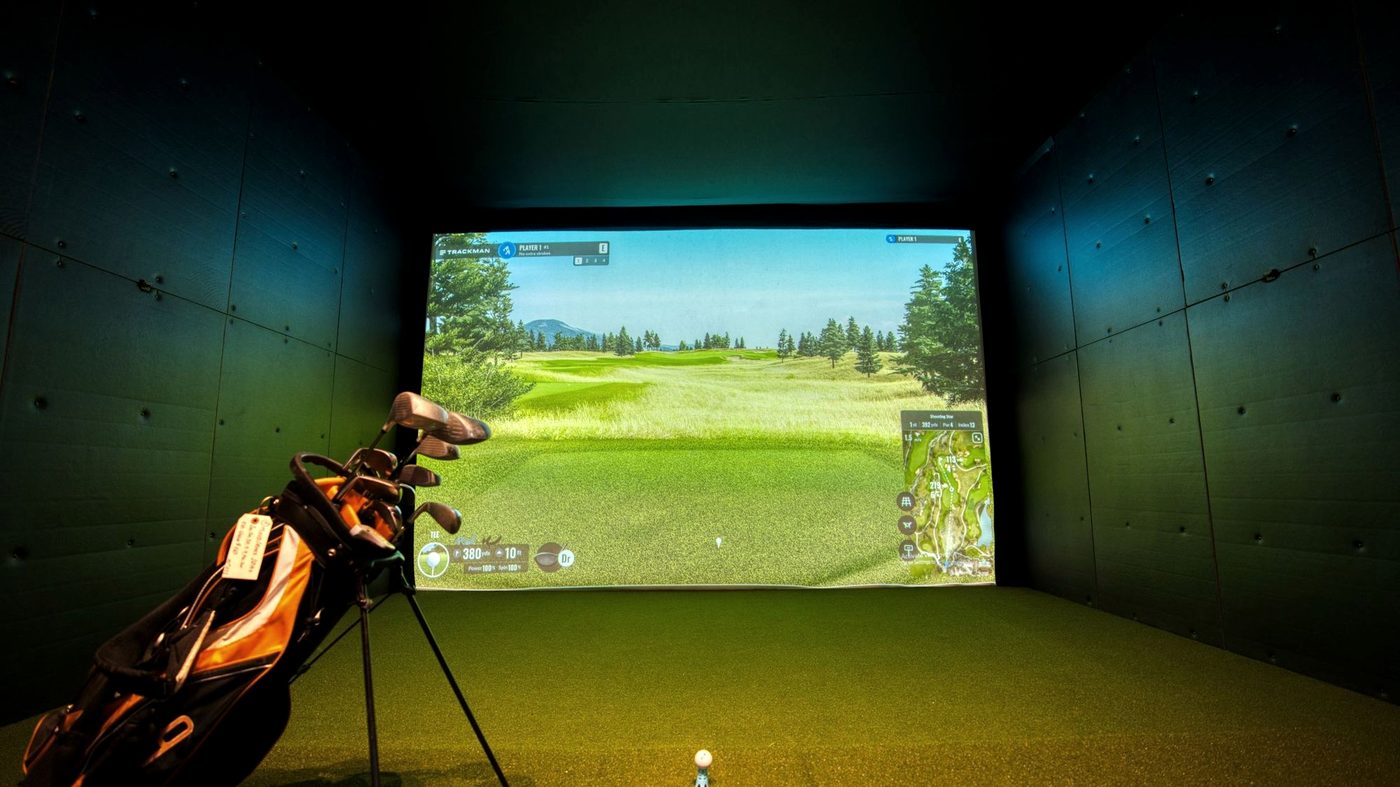
Indoor golf simulator bay with a course on screen and a golf bag on the turf
A bay at 2pm on a Tuesday is the product to sell

Ideas that work:

  1. Off-peak membership. Unlimited or generous play on weekdays before 4pm, at a lower monthly price.
  2. Daytime leagues. Retirees, shift workers and remote workers want a regular game.
  3. Members-only hours. One New Jersey indoor club keeps hours after 9pm for members only, and sells non-member time at $75 an hour (Golf Digest, May 2026).
  4. Lesson blocks. Coaches can fill daytime bays that would otherwise sit empty.
  5. Corporate lunch-hour sessions. An easy sell to offices within a short drive.

We'll go deeper on this in an upcoming post on filling off-peak golf simulator bays.

Do leagues help an indoor golf club grow?

Yes. I think a good league is your best bet for keeping members through the winter. It gives people a fixed weekly slot with the same group, and a reason to come back on a Tuesday. Gym research points the same way: a UK study of 10,000 gym members (2013 data) found members who made a friend at their club were 40% less likely to cancel.

How to run them well:

  1. Keep seasons short, 7 to 10 weeks, so there's always a next one to sell.
  2. Start a new season right after the last one ends. No gaps.
  3. Use handicaps so beginners can compete.
  4. Let players pre-play a missed week so they don't drop out.
  5. Make the prize a bar tab or an event. It brings the whole team back in.

How do you sell corporate events and gift cards?

Start in October. In my opinion, corporate holiday bookings and gift cards are the two biggest one-off revenue chances an indoor club gets all year, and both are decided early. Challenger, Gray & Christmas found 64% of US companies planned holiday celebrations in 2024. A bay booking with food is an easy yes for an office manager.

Friends laughing together over drinks on a night out
For a lot of visitors it is a night out, not a lesson

Corporate: make a simple package page with a per-head price, what's included, a food and drink minimum, and a form. Send it to HR and office managers within a 15-minute drive. Daytime slots in December sell well.

Gift cards: NRF forecast $29.1 billion in US holiday gift-card spending for 2025, and 43% of holiday shoppers planned to buy at least one. Have a gift-card page live before Black Friday (27 November 2026). Then plan for January, when those cards get used. A survey by TSG and Bank of America found 87% of recipients had used at least half their holiday gift cards by February 2026. Every gift-card visit is a chance to sell a membership, so have an offer ready.

The food and drink number

And don't forget food and drink. At golf facilities with simulators, NGF's survey of 354 operators found an average of about $55 per sim session plus about $40 in food and drink per visit. That's an extra 73%.

What should a golf simulator club post on social media?

Post what a visit feels like, for both audiences. Show golfers the tech, the data and the practice. Show everyone else the fun night: friends, a drink, a closest-to-the-pin challenge. Then tell people plainly what's open, what it costs and how to book.

A weekly mix:

  1. One swing or practice clip (a coach tip works well).
  2. One social clip (a group, a league night, a birthday).
  3. One offer post (membership, league, event, gift card) with a date.
  4. One member story, in their words.

I think events are media. A league final, a Masters night or a charity tournament is a content asset. Film it.

Rounak Sardesai · Founder, Coala Studio

How does an indoor golf club get found on Google?

Treat your Google Business Profile like a second homepage, and keep reviews fresh. I'd bet most first-time visitors, especially the non-golfers, search "golf simulator near me" and pick from the map. BrightLocal's 2026 survey (a local SEO vendor) found 97% of consumers read local reviews, 74% want reviews from the last 3 months, and 31% will only use a business rated 4.5 stars or higher.

So recency matters as much as the star rating. What I'd do:

  1. Ask for a review by text after a good first visit, a league final and every corporate event.
  2. Post weekly on the profile: league starts, events, gift cards, membership offers.
  3. Add photos of bays, the lounge and groups, not just the tech.
  4. Use the booking link so people can book straight from Google.
  5. Reply to every review.

On your website, give memberships, leagues, corporate events and gift cards their own pages with your city in the title. Each one can rank for its own search.

What should an indoor golf club track?

Track bay utilisation by time block, members, and where your new people come from. Bookings alone hide the problem. You want to see which hours are empty, which tiers sell, and which channels bring people who stay. Measure success in members and revenue, not likes.

MetricWhy it matters
Utilisation by daypartShows which hours to sell harder
Active members by tierShows if your ladder works
First visit to member rateShows if your follow-up works
Member churn by monthShows when you need a retention push
Revenue per visit (bay + F&B)Shows the real value of a booking

Add a "How did you hear about us?" question to your booking flow. It's free and it tells you where to spend next winter.

If you also run racquet courts, our pickleball club marketing guide covers the same ideas for courts. For the bigger picture across academies and clubs, see the complete marketing system for sports academies.

Coala Studio · Sports marketing

Want a winter plan for your club?

We're a sports marketing agency that builds around your season. On a 30-minute call we'll look at your bays, your tiers and your calendar, and tell you what we'd build first. If it's something you can do yourselves, we'll say so.

30-minute call · free

We look at your bays, your tiers and your winter calendar, then build the memberships, leagues, gift-card and corporate campaigns that fill them.

Map my winter season
Questions

Golf simulator marketing FAQ

How do I get more bookings for my golf simulator business?

Sell memberships and leagues as well as hourly bookings, fill weekday daytime with an off-peak tier, and push gift cards and corporate events from October. Market to non-golfers too.

How much is a golf simulator membership?

In a Coala survey of 26 indoor golf venues in October 2026, the median entry-level monthly membership at US venues was $149 (14 venues).

Who plays golf simulators?

NGF counts 8.1 million US simulator users in 2024. In its 2025 white paper, 51% of simulator users hadn't played on a golf course in the previous 12 months.

When is the busy season for indoor golf?

In the northern US and Canada, the indoor peak runs roughly November to March, when courses are closed. Sunbelt clubs see their indoor peak in the summer heat.

Should an indoor golf club offer a summer pause?

None of the 26 venues we surveyed published one. Most handle summer with season-only passes, lower summer pricing or minimum commitments. A pause is a judgement call, not a proven fix.