Categories
Sports Marketing

Padel Club Marketing: How to Sell a Sport Most People Haven’t Played

Sports marketing guide · Padel
The short answer

To market a padel club, sell the first game before you sell the membership. Run intro sessions, show first-timers how the game works in short videos, pre-sell founding memberships before you open, and get new players into leagues fast so they keep coming back.

I think padel clubs have to sell the first game, not the membership. Almost nobody has played it yet.

How big is padel in North America?

Small but growing fast. SFIA measured US padel for the first time in 2025 and counted about 1.07 million players, of whom about 238,000 played 8 or more times. The US Padel Association says the country passed 1,000 padel courts in April 2026. Most Americans still haven't tried it, which is the opportunity and the challenge.

Compare that with pickleball's 24.3 million US players in 2025. Padel is where pickleball was a few years ago: people are curious, but they need a reason to book the first court.

Why is padel harder to market than pickleball?

Because people don't know what it is. Pickleball has public courts in most towns, so new players have often tried it before they walk into a club. Padel mostly lives in private clubs, so your marketing has to explain the game, make the first session feel easy and give people a reason to come back. That's three jobs before you ever sell a membership.

It also costs more. In our survey of 27 pickleball and padel clubs, where one club priced both sports, padel cost about 1.3 to 2 times as much as pickleball. People will pay that, but only once they know they like it.

How do you get people to try padel?

Make the first session cheap, social and coached. A 60 to 90 minute intro with a coach, rackets and balls included, and other beginners in the room, removes every excuse. Then film it. A 30-second reel of four first-timers laughing through their first rally sells the next session better than any explainer.

What works as a first step:

  1. Intro clinics for complete beginners, with gear included.
  2. Bring-a-friend nights where members bring someone new.
  3. Pickleball and tennis crossovers. Offer existing racquet players a "try padel" session.
  4. Corporate team sessions, which bring four new players at once.

Padel racket and yellow balls on a blue court, seen from above

Should a new padel club sell founding memberships?

Yes, if you can. A capped founding membership with a locked rate gives you cash and a committed core before you open. Padel + Pickle near St. Louis sold founding memberships before opening, held a private Founder's Weekend that about 70 people attended, and drew 400 to 500 people to its open house, the founder told The Padel State in March 2024.

How I'd run it:

  • Cap it (50 to 100 spots is common in our survey) and show how many are left.
  • Lock the rate for as long as they stay.
  • Give founders something only they get: a private preview, early booking or a name on the wall.

How do you keep padel players coming back?

Get them into a league or a regular group in their first month. Padel is played in pairs, so a player who has a partner and a weekly slot has two reasons to show up. Interclub leagues are starting too: the National Padel League had nearly 2,000 players in its first season, according to the US Padel Association.

The retention plan:

  1. Week 1: a follow-up message after the intro, with the next beginner session.
  2. Week 2 to 4: a level-matched social mixer or a beginner league.
  3. Day 30: a member offer for anyone who's played three times.
  4. Every season: a club tournament people can film and share.

What content should a padel club post?

Content that teaches and shows the fun. Most of your audience has never played, so short videos explaining the walls, the serve and the scoring work alongside rallies, member stories and league nights. Real players on your courts beat stock footage every time.

A weekly mix:

  • One "how padel works" clip (the walls, the serve, scoring).
  • One rally or highlight from members.
  • One first-timer story.
  • One post about what's on this week: intro sessions, leagues, socials.

How should a padel club price memberships?

Price on access, not just hours. Booking windows, included sessions and priority for leagues are what regular players pay for. In our survey, padel memberships were more often sold as passes or credits (a set number of games) than as unlimited plans, which suits a sport where people are still deciding how often they'll play.

The full pricing breakdown, including real padel ladders, is in our free club playbook.

Sources
Coala Studio · Sports marketing

How to fill your pickleball and padel club

Free, and every chapter ends with something to do on Monday. Real pricing from real clubs, a 12-month calendar and the plays that turn first visits into members.

Questions

Questions, answered

How do you market a padel club?

Sell the first game before the membership. Run coached intro sessions, film first-timers, pre-sell founding memberships before you open, and get new players into leagues in their first month.

How many people play padel in the US?

About 1.07 million Americans played padel in 2025, SFIA's first measurement, and about 238,000 played 8 or more times. The US passed 1,000 padel courts in April 2026.

Should a padel club sell founding memberships?

If you can. A capped founding membership with a locked rate builds a committed core and cash before opening. Caps of 50 to 100 spots are common.

How do you keep new padel players?

Get them a partner and a weekly slot in their first month, through beginner leagues or level-matched socials, and follow up after every intro session.

Categories
Sports Marketing

How to Run a Golf Simulator League That Fills Your Bays All Winter

Sports marketing guide · Indoor golf
The short answer

A golf simulator league is a fixed weekly slot, a set number of weeks, a handicap system and a prize. Run it for 7 to 10 weeks with a playoff, sell it 4 to 6 weeks before week one, and use it to turn one-off visitors into regulars and members.

I think a fixed weekly slot with the same group is one of the strongest things keeping someone in a club. A league is how you build one.

Why should an indoor golf club run a league?

Because a league turns one booking into eight or ten. The same people come back on the same night every week, they bring friends to watch, and they buy food and drink while they're there. It also fills the nights that are hardest to sell. Golfzon's advice, as reported by Golf Digest in May 2026, is to run a venue like a bowling alley: weekday leagues, weekend walk-ins.

There's a retention case too. A UK study of 10,000 gym members (2013 data) found members who made a friend at their club were 40% less likely to cancel. That's gyms, not golf, but a league is the easiest way to give a new member a regular group.

What format should a golf simulator league use?

Keep it simple: teams of two or four, nine holes a week, handicapped, with standings and a playoff. Most clubs run a set number of weeks plus a finals night. The format matters less than the habit. A night people can plan their week around is what keeps them coming.

Real formats clubs publish:

Club or toolFormat
Five Iron Golf (2019)7 weeks plus a week-8 playoff, teams of 4, Monday or Tuesday nights, winning team gets an open bar for up to 30
X-Golf Solon, OhioHandicap from each player's last 8 nine-hole rounds, top teams make the playoffs, pre-play allowed up to a week ahead
Pinecrest Golf Course (Virginia) winter Trackman leagueFour 9-hole rounds from January to April, three-week window per course, best score counts, $40 league fee

How long should a golf simulator league run?

Seven to ten weeks plus a playoff works for most clubs. It's long enough to build a habit and short enough that people commit. Run two sessions through the winter, January to early March and March to April, so there's no gap where players drift away.

Allow pre-play. X-Golf's Solon location lets teams play their round up to a week early. A missed week is the most common reason a player drops out, so make it easy to catch up.

How do you handle handicaps?

Use the simulator's own scoring and a simple rule everyone understands. X-Golf's Solon location sets each player's handicap from their last 8 nine-hole rounds, and offers 50% off a bay hour booked to set it. That discount doubles as a way to get new players in before the league starts.

The software has caught up too. Trackman launched a Leagues feature in October 2025 that runs individual or team leagues with a central leaderboard, and Golfzon named Golf Genius its tournament management partner in January 2026. Check what your system offers before building spreadsheets.

What should the league cost and include?

Price the league so it's clearly better value than booking the same hours one at a time, and include something members can't get otherwise: standings, a finals night, a prize. Many clubs make the league an add-on to a membership, or include it in the top tier. A league entry is also the easiest upsell for a gift card or first-time visitor.

A simple way to package it:

  1. League fee per player or team, covering the season's bay time.
  2. Member price below the public price, so the league sells the membership.
  3. A prize people want: a bar tab, a lesson, a free month.
  4. A finals night with food, photos and next season's sign-up open on the spot.
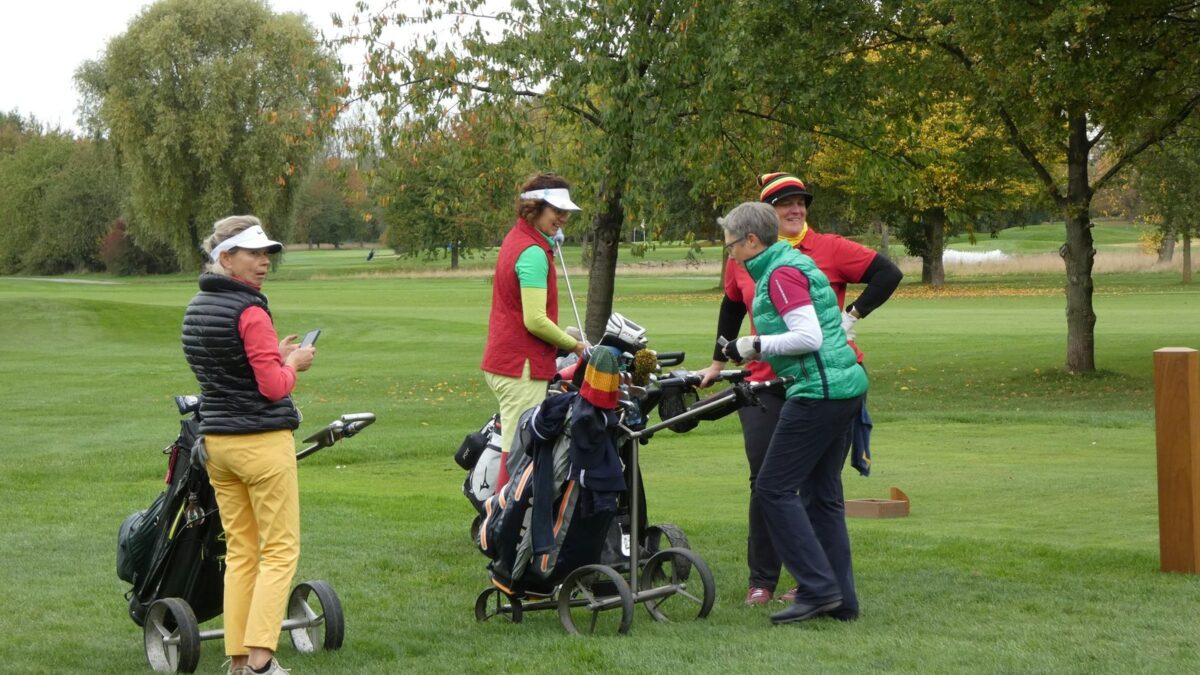
Three golfers toasting with drinks on a sunny course

How do you market a golf simulator league?

Give it a name, a night, a start date and one page, then start selling 4 to 6 weeks out. Members and last season's players hear first. Then post footage from the last finals night, run ads to golfers nearby and push corporate teams, who bring four players at a time.

The league marketing plan I'd run:

  1. Week minus 6: league page live, members get first access.
  2. Week minus 5: email past league players and gift card holders.
  3. Week minus 4 to minus 1: Meta ads to golfers within a sensible drive, a reel from last season, a "find a team" option for solo players.
  4. Corporate push: email local offices with a four-person team price.
  5. Last week: "spots left" only if it's true, and a hard registration close.

Then start selling the next session two weeks before this one ends.

When should a club start its winter league?

Start the first session in early January and sell it from mid-November. That catches the new-year energy, lines up with gift card redemptions and fills the post-holiday weeks. A second session from March keeps players coming until the courses open.

Sources
Coala Studio · Sports marketing

Want help filling your winter league?

We're a sports marketing agency that fills tryouts, camps and memberships around each club's season. On a 30-minute call we'll look at your next window and tell you what we'd build first. If it's something you can do yourselves, we'll say so.

30-minute call · free
See how we work
Questions

Questions, answered

How do you start a golf simulator league?

Pick a fixed weekly night, set 7 to 10 weeks plus a playoff, use teams of two or four with handicaps, add a prize, and sell it 4 to 6 weeks before week one, members first.

How long should a golf simulator league be?

Seven to ten weeks plus a playoff. Run two sessions through the winter so there's no gap between them.

How do handicaps work in a simulator league?

Use the simulator's scoring and a simple rule. One X-Golf location sets each player's handicap from their last 8 nine-hole rounds.

When should an indoor golf club start its winter league?

In early January, with sales starting in mid-November, then a second session from March.

Categories
Sports Marketing

Pickleball League and Clinic Marketing: How to Fill Every Session

Sports marketing guide · Pickleball and padel
The short answer

To fill a pickleball league, sell it by level, give it a fixed weekly slot and a hard start date, and market it 4 to 6 weeks before it starts. Clinics work the same way, and they're how you move beginners up to league play. Both are the best route from a casual drop-in to a paying member.

I think the league is the best membership tool a pickleball club has. Sell the league, and the membership sells itself.

Why do leagues matter so much for a pickleball club?

Because most players are casual, and a league is what makes them regulars. SFIA counted 24.3 million US pickleball players in 2025, but only 7.5 million played 8 or more times a year. Roughly two in three are casual (our calculation from SFIA figures). A league turns "sometimes" into "every Tuesday".

Avid players already want it. In the 2025 SFIA and DUPR survey of 1,102 avid players, 60% were in a league, and 48% said they want to play more often. They also said what gets in the way: 44.4% said courts are overcrowded and 39.2% struggle to find opponents at their level. A league fixes both. It books the court and it matches the level.

How long should a pickleball league run?

Six to eight weeks for a recreational league, and 8 to 12 for a competitive one, with one session a week. That's the guidance in Pickleball.com's organizer guide, and it fits a club calendar well: two or three league seasons through the winter, with no gap between them.

The gap is where you lose people. Open registration for the next season two weeks before the current one ends, and give current players first dibs.

How do you market a pickleball league?

Give it a name, a level, a night, a start date and a price, then put it on one page. "Tuesday 3.0 to 3.5 doubles league, 8 weeks, starts 12 January" sells. "Leagues available" doesn't. Start marketing 4 to 6 weeks out, and push hardest in the final 10 days.

The playbook I'd run:

  1. One page per league. Level, night, dates, format, price, what's included, and one sign-up button.
  2. Email your players first. Current members and drop-ins get a 48-hour head start.
  3. Post footage from the last season. Rallies, the finals night, the winners' photo.
  4. Ads to players within a sensible drive. Meta to people interested in pickleball, retargeting to anyone who visited the league page.
  5. A "find a partner" option. Let solo players sign up and you pair them. This removes the biggest excuse.
  6. A countdown. "6 spots left" is only worth saying when it's true.

How do you fill pickleball clinics?

Sell clinics as a ladder, not a list: intro, beginner, intermediate, then league-ready. Each clinic ends by pointing to the next step. Most rated players are still developing, and DUPR data reported by The Dink showed about 60% of active rated doubles players sit below 3.5, so beginner and intermediate clinics serve most of your market.

Make each clinic easy to buy:

  • A clear level and outcome ("Dinking and the third shot drop, 3.0 players").
  • A fixed small group size.
  • Four weeks, same night, same coach.
  • A direct offer at the end: "Join the 3.0 league starting 12 January."
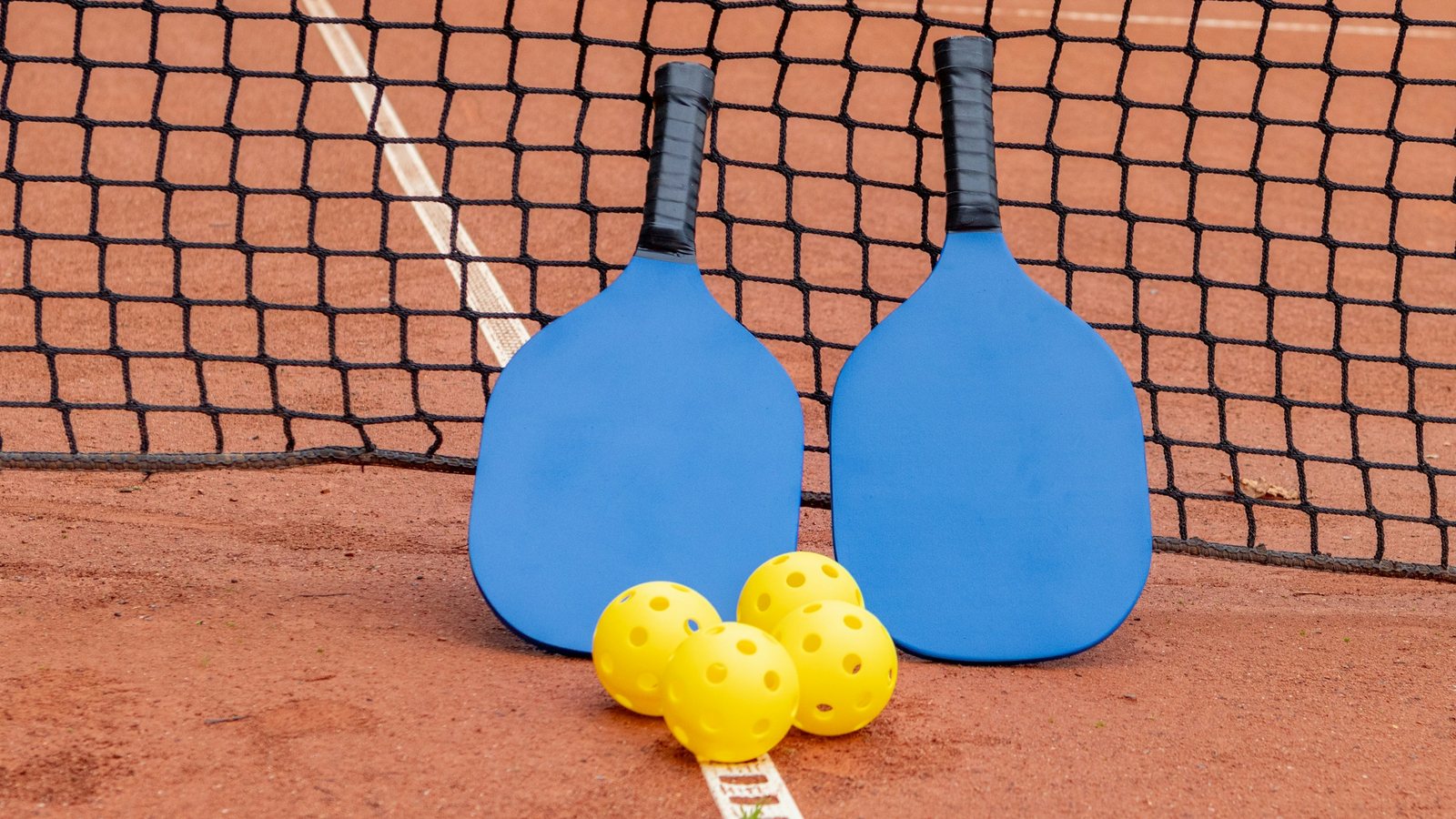
Two blue pickleball paddles and yellow balls resting against a net

Should leagues be included in the membership?

Some clubs include them and some discount them, and both work. In our survey of 27 pickleball and padel clubs, 11 included free clinic or league entry in at least one tier, and most of the rest gave 10 to 25% off. The Picklr, for example, includes leagues on its unlimited tiers and gives half-price leagues on its entry tier.

What matters is that the league shows up in the membership pitch. A player who's in a league has a reason to pay monthly. Gym research suggests the social side keeps people too: a UK study of 10,000 gym members (2013 data) found members who made a friend at the club were 40% less likely to cancel. That's gyms, not pickleball, but I'd bet a league partner works the same way.

How do you keep league players coming back?

Treat finals night as an event and the next season as the obvious next step. Film it, post it, celebrate the winners, and open the next season that night. Events are content, and content is what the next round of players watches.

Follow up with everyone who didn't re-register within a week. A short personal message ("We kept your Tuesday spot, want it?") works better than another ad. Leads come in and nobody follows up, and that's usually the real leak.

When should a pickleball club run its winter leagues?

Run the first winter league from early January and pre-sell it in December. January is when people come back with new-year energy, and Placer.ai's foot-traffic data showed US gym visits in January 2025 were about 21% higher than in December. A league that starts that week catches it. Then roll straight into a spring league in March.

The short version

Sell leagues by level, night and start date, one page each. Market 4 to 6 weeks out. Build a clinic ladder that ends in a league. Put the league in your membership pitch. And open the next season on finals night.

For the full plan, including pricing from 27 real clubs and a 12-month calendar, grab our free pickleball and padel club playbook.

Sources
Coala Studio · Sports marketing

How to fill your pickleball and padel club

Free, and every chapter ends with something to do on Monday. Real pricing from real clubs, a 12-month calendar and the plays that turn first visits into members.

Questions

Questions, answered

How long should a pickleball league be?

Six to eight weeks for a recreational league and 8 to 12 weeks for a competitive league, with one session a week.

How far ahead should I market a pickleball league?

Start 4 to 6 weeks before it begins, give current players a 48-hour head start, and push hardest in the final 10 days.

How do I fill pickleball clinics?

Sell them as a ladder by level, keep the group small and the night fixed, and end each clinic with a direct offer to join the next clinic or a league.

Should pickleball leagues be included in a membership?

Many clubs include them or discount them. In our survey of 27 clubs, 11 included free clinic or league entry in at least one tier.