/Sports marketing guide / Hockey
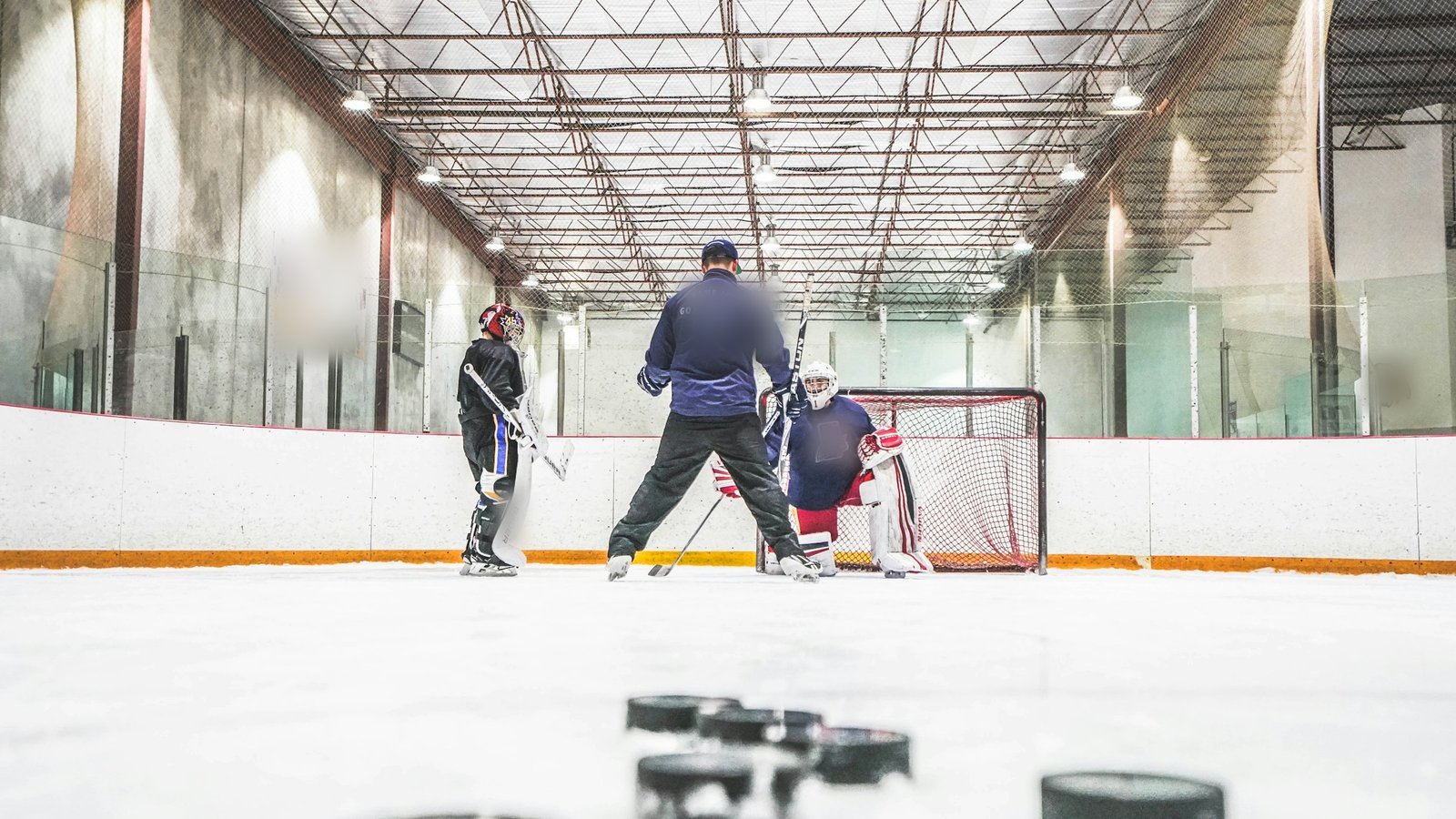
To fill a hockey ID skate, announce the dates 6 to 8 weeks ahead, put birth years, price, ice time and what happens next on one page, and promote it with footage from your own ice. Then follow up every player within a day, including the ones you don't invite back. The skate is your best recruiting event of the year.
I think an ID skate is a first date, not an exam. Every player who comes should leave wanting to come back, whether you pick them or not.
An ID skate (or evaluation skate) is a paid ice session where an academy, spring program or camp watches players before inviting them to a team, program or camp. Families pay a small fee, the player skates in front of coaches, and the best fits get an invitation. For the program, it's the top of the recruiting funnel.
Published examples in BC show the shape. Langley Rivermen's 2026 spring program charged a $50 plus GST ID skate ahead of a program costing $2,750 plus GST. Ridge Meadows Flames ran a goalie evaluation skate on April 19, 2026 for $53.50, with invited goalies moving on to a three-day ID camp for $315.
The fee is small. What it leads to isn't. That's why the skate deserves real marketing, not one post the week before.
/Sources: Langley Rivermen · Ridge Meadows Flames
Most spring programs and academies evaluate between January and May, so start announcing 6 to 8 weeks before your first skate. Families plan hockey around school, other sports and the end of the winter season. If they hear about your skate a week out, the calendar's already full.
Look at how early the big events are set. BC Hockey's Program of Excellence ID camps for U15 and U16 ran in late March 2026, and registration closed on March 9. Players and parents who follow these windows plan months ahead.
A simple timeline:
| When | What to do |
|---|---|
| 8 weeks out | Announce dates, birth years and price. Open registration |
| 6 weeks out | Footage from last year's skate or your current season |
| 4 weeks out | Coach video: "what we look for" |
| 2 weeks out | Reminder to everyone who asked but didn't register |
| Skate day | Film it, with consent |
| Within 24 hours | Follow up every player |
/Sources: BC Hockey POE
Everything a parent needs to say yes without calling you: birth years, dates, rink, price, how much ice, who's evaluating, what happens after, and when families will hear back. Add a short form and a clear refund policy. Hockey families are paying a lot already, so clarity matters.
Jumpstart's 2026 report put the median Canadian family spend on hockey at $1,938 a year, against $450 for soccer. I think hockey has priced a lot of families out. The ones still in want to know exactly what they're getting before they hand over another fee.
The checklist:
/Sources: $1,938 ... $450
If you can, yes. Goalies are evaluated on different things, and in a mixed skate they often see few real shots. A separate goalie session tells goalie families you take the position seriously, and it gives you a second thing to promote. Ridge Meadows Flames, for example, ran a goalie-only evaluation skate before its spring ID camp.
If a separate session isn't possible, say on the page how goalies will be evaluated and who's watching them. Goalie parents ask.
Start with families who already know you, then reach players in the right birth years nearby. Email past campers and spring players, post footage from your own ice, ask your current players to share, and run small ads aimed at hockey parents within driving distance during the six weeks before the skate.
In order:
The audience is there. Hockey Canada registered more than 603,000 players in 2024 to 2025, with retention above 90% for ages 5 to 16. Hockey families stay in the game. Your job is to be on their calendar.
/Sources: 603,000 ... above 90%
The drills, the scrimmage and the coaches talking to players. With parents' written consent, film short clips from the glass and post them over the following weeks. They show next year's families what your evaluation looks like, and they give this year's players something to share.
Keep it respectful. Don't post anything that singles out a player who struggled. Follow your league or association's rules on filming and naming minors.
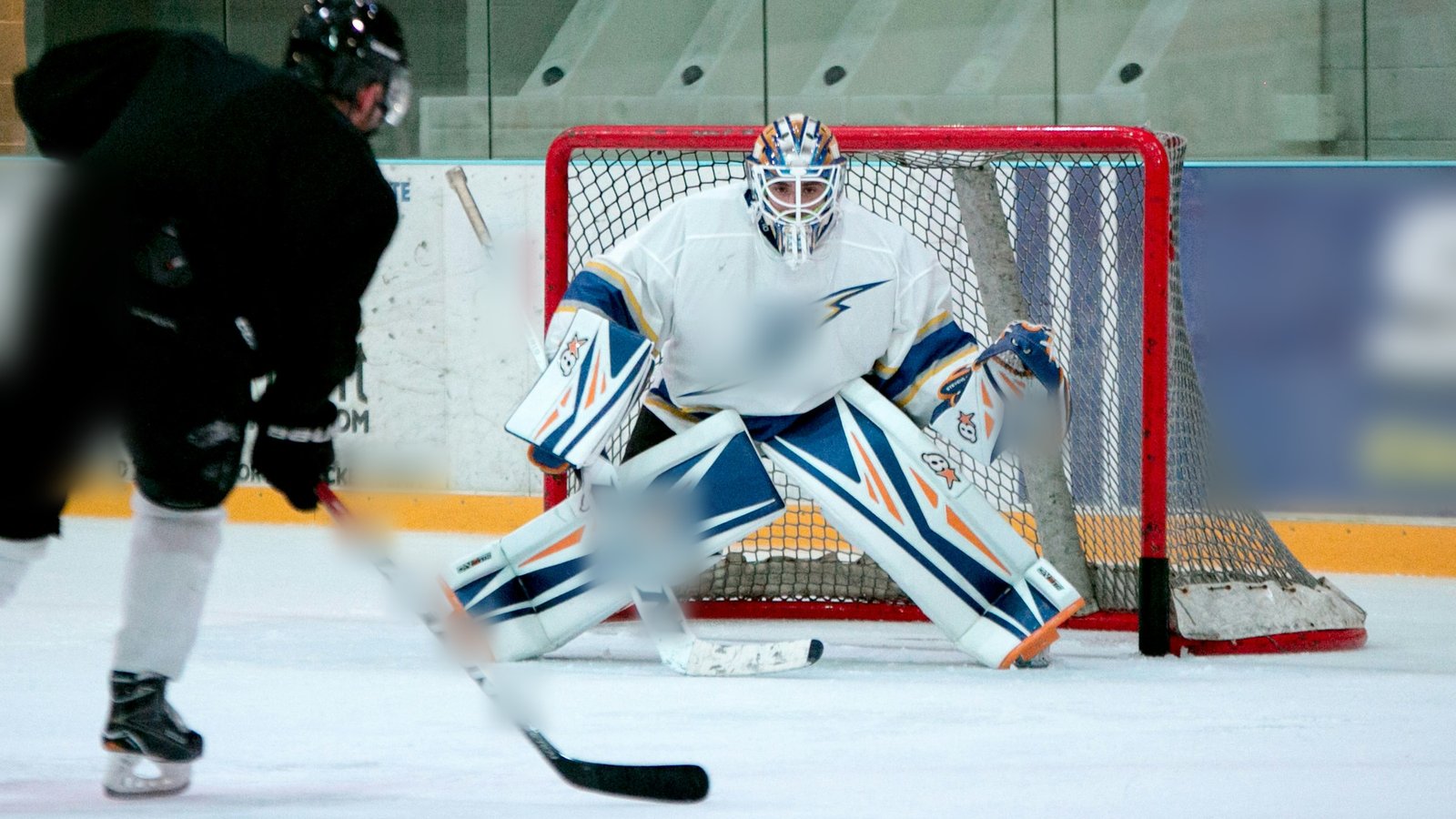
Within 24 hours, with a message for every player. Invited players get their next step and a deadline. Players you don't invite get a thank-you, one honest line of feedback if you can, and an offer for something else: a camp, a clinic or next year's skate. Leads come in and nobody follows up. Don't let that be your skate.
The players you don't pick matter more than most programs think. They'll be a year older and better next season, and their parents talk to every other hockey parent at the rink. A good experience at your skate is the cheapest marketing you'll do all year.
What I'd set up:
/Keep reading
More guides for club, academy and facility owners.
