/Sports marketing guide / Camps
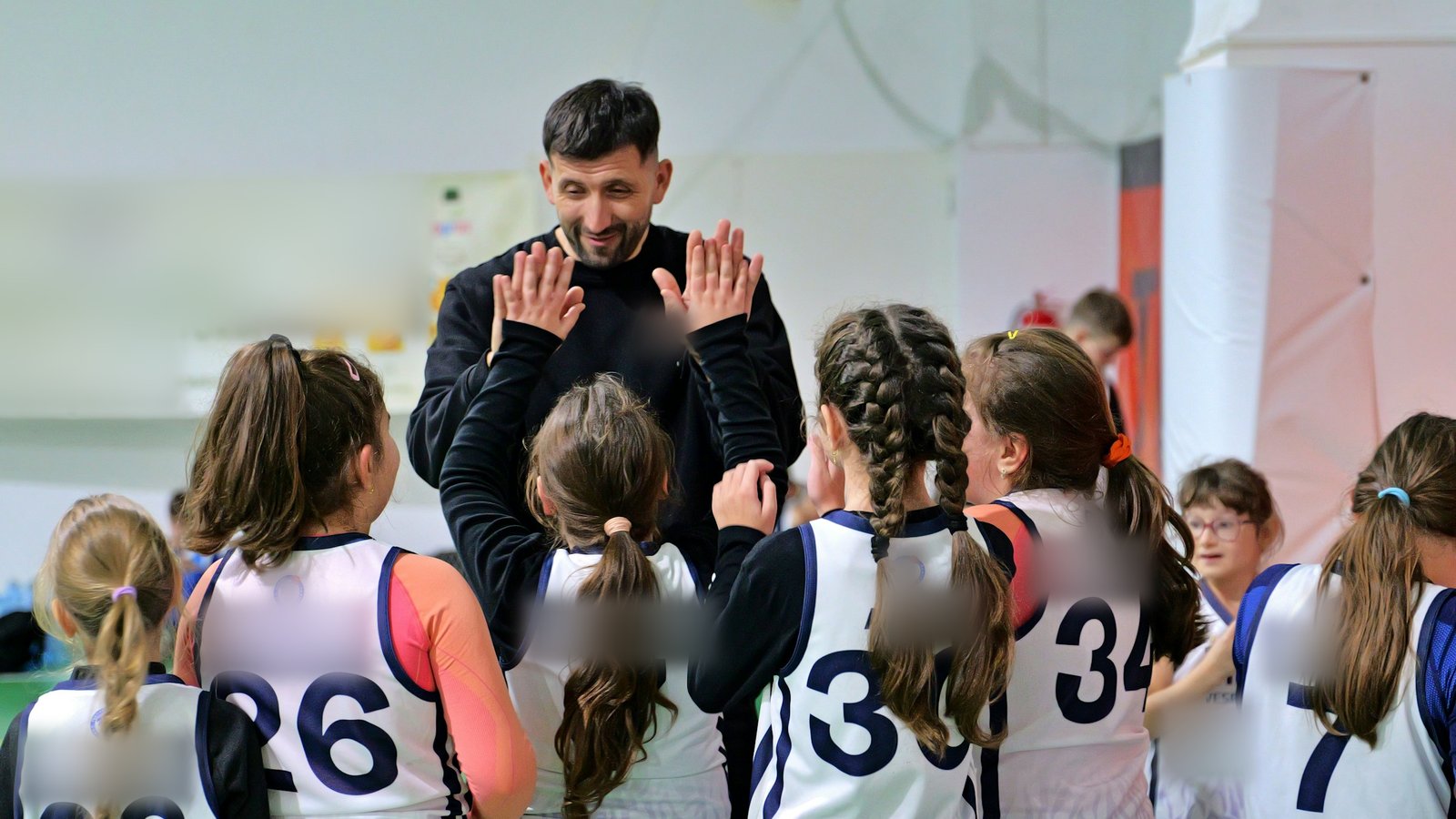
Six emails do most of the work for a sports camp: an instant reply to every inquiry, an early-bird reminder, a deadline email, a welcome email after sign-up, a rebook offer on the last day of camp, and a short off-season update. Send them to the parents who already know you before you spend more on ads.
I think most camps have a follow-up problem, not a demand problem. Email is the cheapest way to fix it.
Yes, especially for camps, because the people on your list already chose you once or asked about you. Parents read emails about their kids' activities. MailerLite's 2025 benchmarks put the average open rate for sports senders at 47.69%, across its customers' campaigns from December 2024 to November 2025. Treat that as a rough guide, not a target.
Clicks are lower. The same data shows a 1.27% click rate for sports emails. That's why each email should have one job and one button, not a newsletter with ten links.
/Sources: 47.69% ... 1.27%
Before registration opens, not on the day. Many families plan summer early. The American Camp Association's CEO has advised parents to start planning as early as December, and University of Toronto Student Life notes many camp registrations begin as early as January, with most open by March. Email your list a "dates are coming" note a few weeks before you open.
A simple calendar for a summer camp:
| When | |
|---|---|
| December | "Summer dates are coming. Here's when registration opens." |
| Registration day | "We're open. Early-bird ends [date]." |
| 1 week before early bird ends | Early-bird reminder |
| Deadline day | Last call |
| After each sign-up | Welcome email |
| Last day of camp | Rebook offer |
/Sources: as early as December · as early as January ... most open by March
It should arrive within minutes and answer the three questions every parent has: when, how much, and how to sign up. Add one line from a real person and an invitation to call or reply. A fast, specific answer beats a perfect one sent tomorrow.
In a Harvard Business Review audit of 2,241 US companies, only 37% replied to an online inquiry within an hour, and 23% never replied at all. A camp that replies in minutes is already ahead of most. I think automation should make the first reply instant and the second one human, so follow it with a call or a personal message the same day.
/Sources: 2,241 ... 37% ... 23%
Lead with the date, not the discount. "Early-bird ends Friday, January 31" makes parents act. "Save 10%" makes them think about it later. An early-bird deadline does more than an early-bird discount. Send one reminder a week before and one on the day, then stop.
What each one needs:
Everything a parent needs to feel sure they made the right call, and nothing that makes them dig. Confirm the dates, times, location, what to bring and who to contact. Then add one personal touch, like a short note from the head coach. A good welcome email cuts the questions you'd otherwise answer one by one.
Use the welcome email to collect the rest, too: medical forms, waivers and sizes. Keep those out of the first registration step, so nothing slows the sign-up down.
Send a rebook offer on the final day of camp, while kids are still buzzing and parents are picking them up. I think rebooking this year's campers on the last day is the cheapest camp marketing you'll ever do. Give returning families first access and a dated reason to commit, like a returning-camper deadline.
What I'd include:
Sign-ups are the number that matters. BC Prep got 175+ camp sign-ups and 400 leads in 6 months at under $7 a lead while working with us. The case study shows what that looked like for a youth program.
/Sources: BC Prep
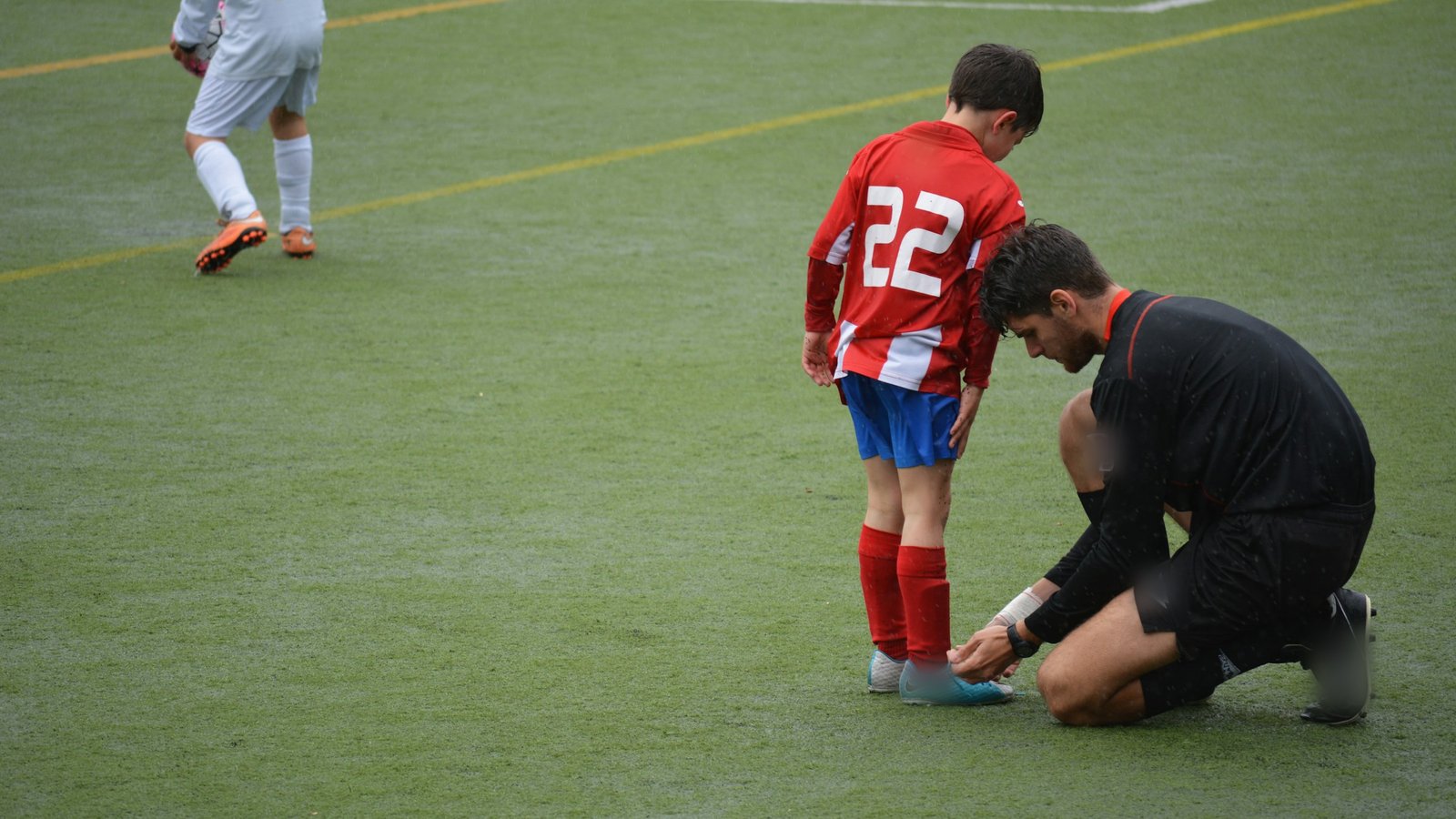
Short, useful updates every month or two, so parents remember you when the next window opens. A coach's tip, a player's progress story, dates for the next camp, and nothing else. If you go quiet from September to March, you'll start every registration season from scratch.
Collect emails everywhere a parent already raises a hand, with their consent. Registration forms, inquiry forms, tryout and open house sign-ups, and a simple "tell me when dates are out" form on every camp page. A parent who signs up for date alerts in October is the warmest lead you'll have in January.
Where I'd add a sign-up:
Keep the list clean. Remove addresses that bounce, honour every unsubscribe straight away, and follow the anti-spam rules where you operate, like CASL in Canada.
Sending one big newsletter to everyone instead of the right email to the right parent at the right time. A parent who registered doesn't need early-bird reminders, and a parent who asked a question last week doesn't need a general update. Segment by where each parent is: asked, registered, attended. Then every email has one job.
/Keep reading
More guides for club, academy and facility owners.