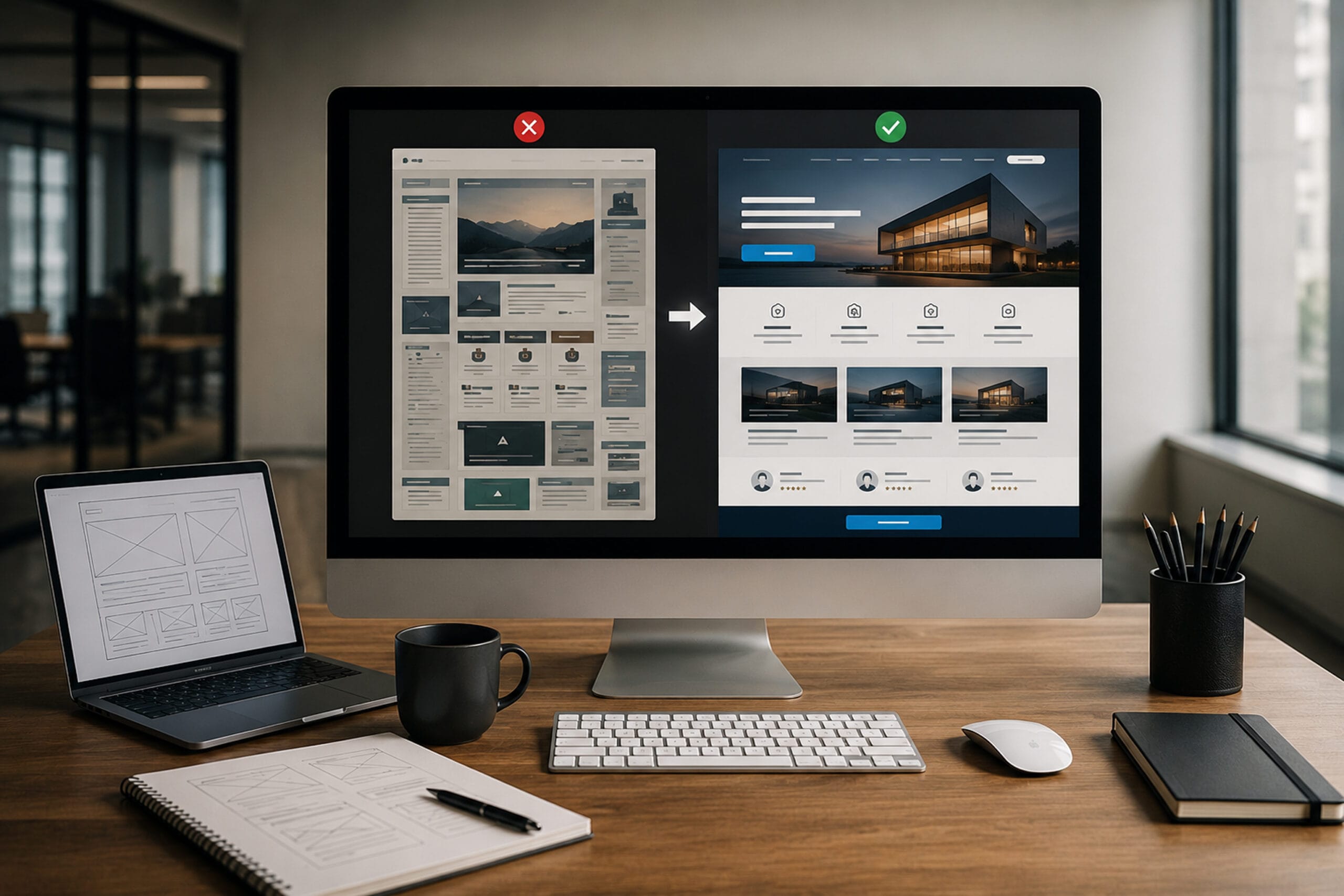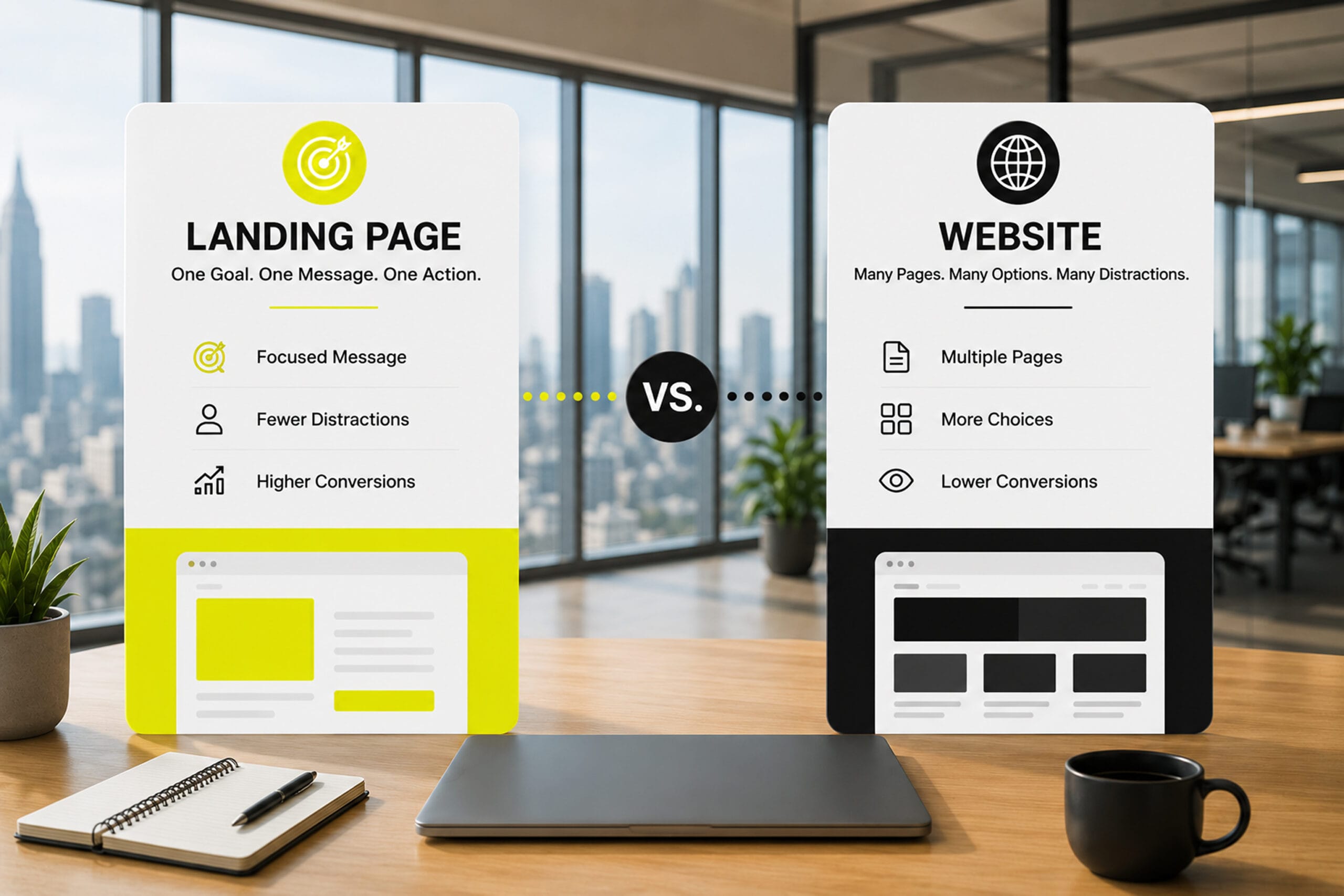
A slow website does not just create a technical issue. It creates a business problem. Before a visitor can understand your offer, admire your work, or fill out a form, they have to wait. And online, waiting feels longer than it should. The result is less engagement, lower confidence, and fewer opportunities to convert.
Speed affects first impressions
People form quick opinions about a business from its digital experience. A page that jumps around, loads in pieces, or takes too long to become usable can make even a great company feel less dependable. Your site does not need to be sterile or simple; it does need to feel responsive.
Slow pages increase drop-off
Visitors often arrive with a short attention span and several alternatives. If the page does not load quickly, many will leave before they see the value of staying. This is particularly expensive when you are paying for traffic through ads or investing in content to earn search visibility.
Speed supports search performance
Search engines aim to serve pages that offer a good experience. Page performance is one part of that experience. Better speed will not rescue weak content or poor relevance, but it gives good content a stronger foundation and makes it easier for people to engage once they arrive.
Common causes of slow websites
The usual suspects include oversized images, excessive plugins, poor hosting, unused code, heavy third-party scripts, and too many animations loading at once. The fix is not always one dramatic change. Often it is a disciplined clean-up of several small problems.
How to improve without losing personality
Compress and properly size images, use modern formats when appropriate, remove tools that are not earning their place, defer non-essential scripts, and build pages around content priorities. Use animation selectively. The goal is to make creative moments feel intentional, not make visitors wait for them.
Measure what users actually experience
Run regular performance checks, but do not stop at a score. Test the important pages on a real mobile connection. Try your forms, booking tools, menus, and checkout flows. A practical user test often reveals the friction that a dashboard does not.
Coala Studio builds and optimizes websites so the experience feels quick, considered, and ready to convert when the visitor is.