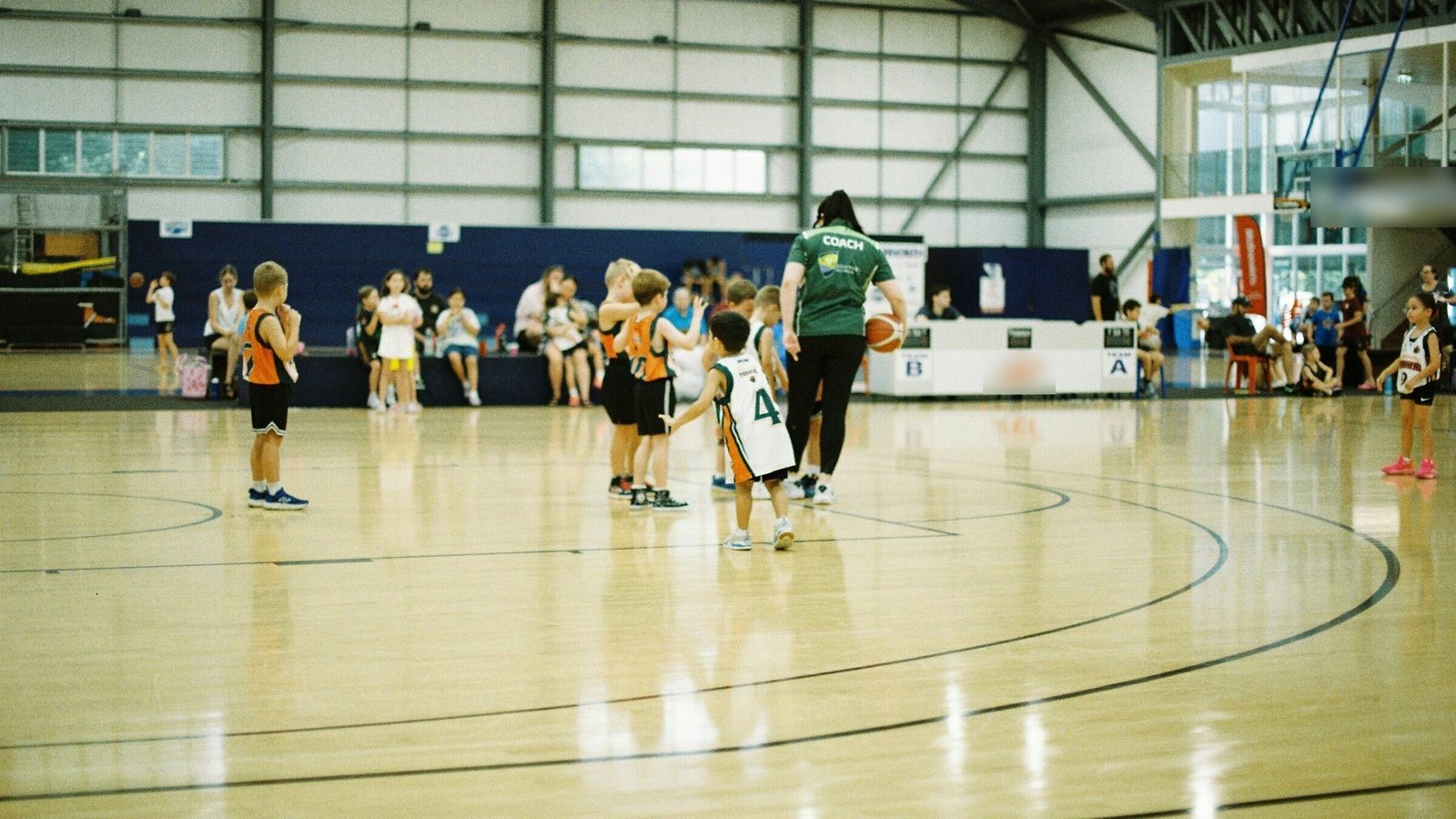
BC Prep got 400 leads in 6 months at under $7 a lead while working with Coala Studio, plus 175+ camp sign-ups. Its reels, posts and ads, paid and organic, passed 600,000 views along the way.
Those are the numbers. Here's what they mean, what kind of program BC Prep runs, and how we run campaigns like this for academies and camps.
What results did BC Prep get?
BC Prep got 400 leads in 6 months, at under $7 a lead, and more than 175 camp sign-ups. Across its reels, posts and ads, paid and organic, the content passed 600,000 views. We count a lead as a parent or athlete who filled in a form to ask about a program, and a sign-up as a registered camper.
| Result | Number |
|---|---|
| Leads | 400 in 6 months |
| Cost per lead | Under $7 |
| Camp sign-ups | 175+ |
| Views across reels, posts and ads | 600,000+ |
I put the views last on purpose. 600,000 views is nice. 175 kids in a camp is what the director needed.
What kind of program is BC Prep?
BC Prep is a youth sports program. On our sports marketing page it sits under three of the program types we work with: basketball training centres, multi-sport facilities, and skills camps and clinics. Parents are the buyers, and the calendar decides everything.
That last part matters. A camp has a start date. If it isn't full by then, the empty spots are gone. So every lead has a shelf life, and the marketing has to work in the window before the deadline, not after it.
Why does under $7 a lead matter?
Because it means the content did the heavy lifting. When reels and posts already have families watching, the ads are reaching people who know you, and each lead costs less. Under $7 a lead gave BC Prep room to spend on the follow-up and the camp itself instead of buying attention.
I think a lot of sports marketing gets judged on the wrong number. Views are easy to show in a report. They don't pay coaches. The numbers a director runs on are leads, cost per lead and registrations, and that's what we report.
How did the campaign work?
We used reels, organic posts and paid ads together, so the same content worked twice: once to build an audience, once to bring in leads. The ads pointed at program pages with a date, a price and one form. Here's how we run a camp and program campaign:
- Calendar first. We map every camp, tryout and registration date for the next 12 to 18 months, so campaigns start before each window opens.
- Real footage. We film the real coaches and the real gym. Parents want to picture their kid there, not a stock photo.
- Organic and paid together. Reels and posts build the audience. Ads put the best of that content in front of nearby parents, with a deadline.
- One page per program. Dates, ages, price, what's included and one form.
- Fast follow-up. Every inquiry gets an answer the same day.
Our youth sports camp guide has the booking calendar we work from, and the winter break camp countdown shows the same approach on real 2026 dates.

Why do leads turn into sign-ups for some programs and not others?
Mostly because of what happens after the form. Leads come in and nobody follows up, and in my view that's usually the real leak, not the ad spend. A parent comparing three camps tends to book the one that answers first. Speed and a clear next step turn a lead into a registration.
Parents also plan early. The American Camp Association's CEO has told families to start planning summer camp as early as December, and some camps fill within minutes of opening. If the follow-up is slow, the spot goes to someone else.
What a working follow-up looks like:
- Instantly: an automatic email and text with the camp details and the registration link.
- Same day: a real person answers the parent's question.
- Day 2: a short "any questions?" text.
- Before the deadline: a reminder with the date.
- When it fills: a waitlist, and first access to the next camp.
What can your academy take from this?
Plan the year, use your own footage, run organic and paid together, give every program its own page, and answer every inquiry the same day. None of that needs a huge budget. It needs a calendar and someone who owns follow-up. Then judge the work on leads, cost per lead and registrations.
Three things I'd do this month:
- Write down your next three dates: your next camp, your next tryout and your next registration deadline.
- Film one training session this week. Ten short clips is plenty to start.
- Check your inquiry inbox. Count how many inquiries from the last month got a reply the same day.
If you run a hockey program, our hockey academy marketing page covers that side. You can read more about Coala Studio and how we work.
Want numbers like these for your next camp or intake?
We're a sports marketing agency that fills tryouts, camps and memberships around each club's season. On a 30-minute call we'll look at your next window and tell you what we'd build first. If it's something you can do yourselves, we'll say so.
Questions, answered
What results did BC Prep get with Coala Studio?
BC Prep got 400 leads in 6 months at under $7 a lead and 175+ camp sign-ups, and its reels, posts and ads passed 600,000 views, paid and organic.
What kind of program is BC Prep?
A youth sports program running basketball training, multi-sport training and skills camps and clinics. Parents are the buyers, so its marketing is planned around camp and program dates.
How did BC Prep keep its cost per lead under $7?
By running reels, organic posts and paid ads together, so the ads reached families who already knew the program, and by sending every ad to a program page with one form.
What's the difference between a lead and a sign-up?
A lead is a parent or athlete who asks about a program, usually through a form. A sign-up is a registration. We report both and judge the work on sign-ups.
Can a small academy get results like these?
I think so, if it plans around its calendar, films its own sessions and answers every inquiry fast. Results depend on the program, the price and the market, so we don't promise numbers.