You market a golf simulator business by selling memberships and leagues, not just hours. Plan around the winter season, start your campaigns before the first frost, fill weekday bays with off-peak tiers and leagues, and push gift cards and corporate events hard in November and December.
I think most indoor golf clubs are fighting for one-off bookings when the real growth is turning winter visitors into members. Here's how to do that.
How do you market a golf simulator business?
Marketing a golf simulator business means filling the hours that are hard to fill and keeping the people who come in. Friday night mostly sells itself. Tuesday at 2pm and the whole of July don't. Your marketing should be built around those gaps, with memberships, leagues and events doing most of the work.
The system I'd build for a 4 to 12 bay club:
- A 12-month calendar with every sales window marked: pre-winter, Black Friday, holidays, January, spring, summer.
- A clear membership ladder, priced mainly on booking access.
- An off-peak tier and daytime leagues for weekday hours.
- Corporate and gift-card offers from October.
- Weekly content that shows people what a visit feels like.
- Fast follow-up on every inquiry and every first visit.
Who actually plays golf simulators?
More people than most owners market to, and half of them aren't playing on a golf course. The National Golf Foundation counts 8.1 million US simulator and screen-golf users in 2024, up from 3.8 million in 2015. In the NGF's 2025 white paper, 51% of simulator users hadn't played a round on a golf course in the previous 12 months.
That's the biggest marketing point in this whole guide. If your website and ads only talk to serious golfers, you're missing half the people who use simulators.
A few more numbers worth knowing:
- 19 million Americans played golf only off the course in 2025, at ranges, entertainment venues and simulators (NGF).
- NGF counts at least 1,500 commercial golf simulator businesses in the US, nearly three times its 2022 count. NGF says the count isn't exhaustive and some of the jump is better counting.
- More than 28 million non-golfers say they're very interested in trying entertainment or simulator golf (NGF, April 2026). That's stated interest, not demand, but it's a big pool.
- In Canada, Golf Canada says about 41% of golfers have played simulator golf, up from about 23% in 2022.
So write for two people. The golfer who wants to keep their game sharp over winter. And the friend group, couple or office team who just wants a fun night.
When should an indoor golf club run its marketing?
Start your winter push in September and October, before northern courses close, and plan a campaign for every window after that. Indoor golf demand runs opposite to outdoor golf. In February 2025, outdoor rounds fell 70 to 90% year over year in Pennsylvania, Illinois, Ohio and Michigan (NGF / Golf Datatech). That's demand moving indoors.
I'm a big believer in owning the calendar rather than chasing bookings. Here's a typical year for a northern club. Sunbelt clubs flip it, because their indoor peak is the summer heat.
The indoor golf year at a glance
| Months | What golfers are doing | What you should be running |
|---|---|---|
| Aug to Sept | Outdoor season winding down | Pre-sell winter memberships and league spots. Early-bird deadline. |
| Oct | Courses closing in the north | Winter membership launch. Corporate holiday packages. Gift-card page ready. |
| Nov | Courses closed, Black Friday 27 Nov | Gift-card promo. Close out corporate bookings. Member socials. |
| Dec | Holiday parties, slowest outdoor month | Corporate events. Last-minute digital gift cards. Pre-sell January lessons. |
| Jan to Feb | New-year goals, gift-card first visits | Redeem-to-member offer. Second-half leagues. Lesson packs. |
| Mar to Apr | Swing tune-ups. 2027 Masters is 8 to 11 April | Masters event night. Announce summer options early. |
| May to Jul | Playing outdoors | Summer tier or pause option. Rainy-day and corporate outings. Junior camps. |
How should you price and sell golf simulator memberships?
Build a short ladder of 3 to 4 tiers and separate them mainly by booking window, not by hours. It costs you nothing to give a top-tier member 14 days to book instead of 7, and it's the thing heavy users value most. In our survey of 26 indoor golf venues (October 2026), 22 sold a membership.
What else the survey found:
- The median entry-level monthly membership at the US venues was $149 (n=14).
- Of the 17 venues with more than one paid tier, 10 separated tiers by booking window. The median window was 7 days on the entry tier and 14 days on the top tier.
- 18 of 26 venues offered 24/7 access.
- Not one of the 26 published a summer freeze or pause. Clubs handle summer with season passes, lower summer pricing or commitments instead.
A Toronto example worth copying: 6ix Iron caps members at 2 hours a day, 1 active booking and a 14-day booking window. Those three rules stop members hoarding bays at peak times, so you can sell more memberships without annoying anyone.
One more idea I like: scarcity, when it's real. Philadelphia Golf Club caps membership at 100 for its 3 private bays. A published cap tells people the membership is worth something.
How do you fill off-peak bays?
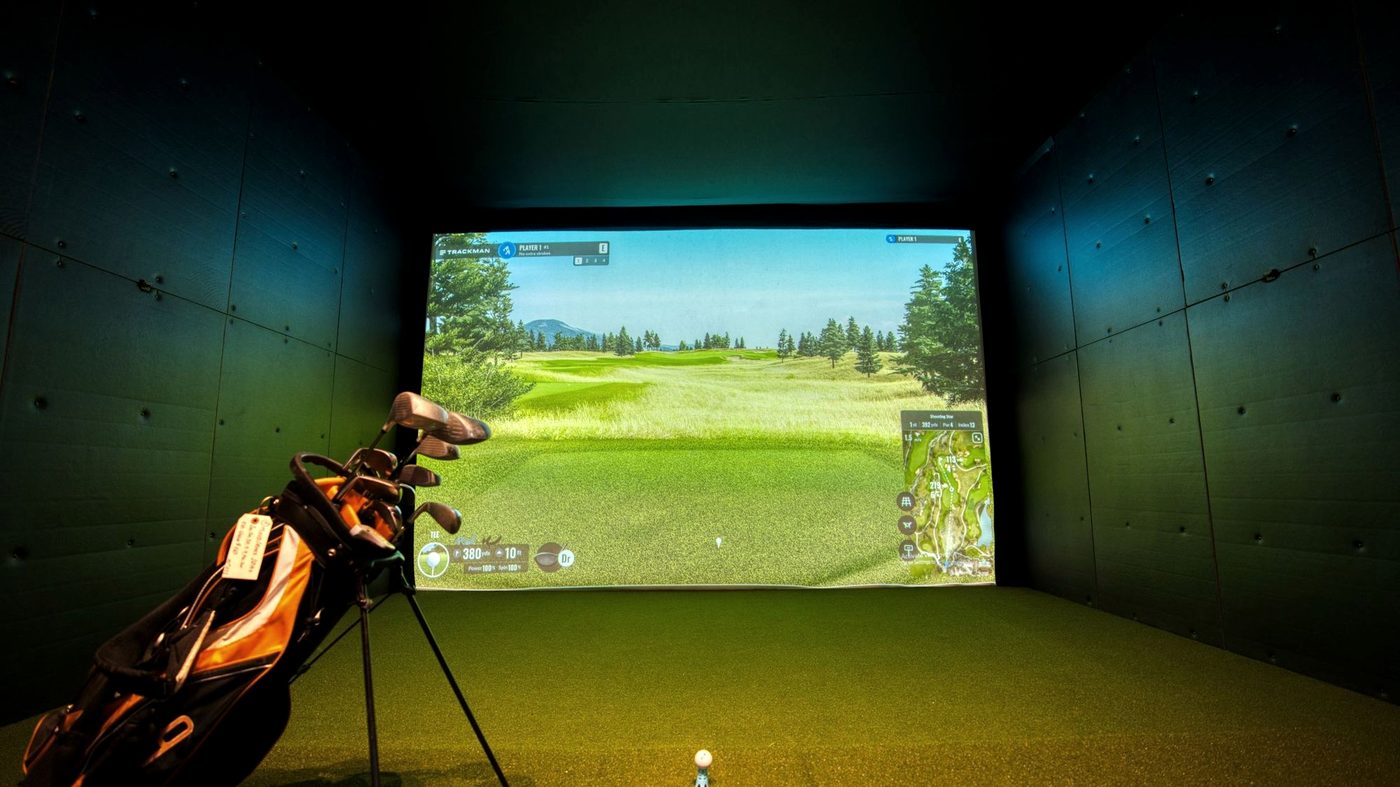
Sell the weekday daytime as its own product. An off-peak tier, a daytime league or a members-only late-night window turns your quietest hours into recurring revenue instead of discounting your best ones. Price it below your full tier and make the time window very clear.
Ideas that work:
- Off-peak membership. Unlimited or generous play on weekdays before 4pm, at a lower monthly price.
- Daytime leagues. Retirees, shift workers and remote workers want a regular game.
- Members-only hours. One New Jersey indoor club keeps hours after 9pm for members only, and sells non-member time at $75 an hour (Golf Digest, May 2026).
- Lesson blocks. Coaches can fill daytime bays that would otherwise sit empty.
- Corporate lunch-hour sessions. An easy sell to offices within a short drive.
We'll go deeper on this in an upcoming post on filling off-peak golf simulator bays.
Do leagues help an indoor golf club grow?
Yes. I think a good league is your best bet for keeping members through the winter. It gives people a fixed weekly slot with the same group, and a reason to come back on a Tuesday. Gym research points the same way: a UK study of 10,000 gym members (2013 data) found members who made a friend at their club were 40% less likely to cancel.
How to run them well:
- Keep seasons short, 7 to 10 weeks, so there's always a next one to sell.
- Start a new season right after the last one ends. No gaps.
- Use handicaps so beginners can compete.
- Let players pre-play a missed week so they don't drop out.
- Make the prize a bar tab or an event. It brings the whole team back in.
How do you sell corporate events and gift cards?
Start in October. In my opinion, corporate holiday bookings and gift cards are the two biggest one-off revenue chances an indoor club gets all year, and both are decided early. Challenger, Gray & Christmas found 64% of US companies planned holiday celebrations in 2024. A bay booking with food is an easy yes for an office manager.

Corporate: make a simple package page with a per-head price, what's included, a food and drink minimum, and a form. Send it to HR and office managers within a 15-minute drive. Daytime slots in December sell well.
Gift cards: NRF forecast $29.1 billion in US holiday gift-card spending for 2025, and 43% of holiday shoppers planned to buy at least one. Have a gift-card page live before Black Friday (27 November 2026). Then plan for January, when those cards get used. A survey by TSG and Bank of America found 87% of recipients had used at least half their holiday gift cards by February 2026. Every gift-card visit is a chance to sell a membership, so have an offer ready.
And don't forget food and drink. At golf facilities with simulators, NGF's survey of 354 operators found an average of about $55 per sim session plus about $40 in food and drink per visit. That's an extra 73%.
What should a golf simulator club post on social media?
Post what a visit feels like, for both audiences. Show golfers the tech, the data and the practice. Show everyone else the fun night: friends, a drink, a closest-to-the-pin challenge. Then tell people plainly what's open, what it costs and how to book.
A weekly mix:
- One swing or practice clip (a coach tip works well).
- One social clip (a group, a league night, a birthday).
- One offer post (membership, league, event, gift card) with a date.
- One member story, in their words.
I think events are media. A league final, a Masters night or a charity tournament is a content asset. Film it.
How does an indoor golf club get found on Google?
Treat your Google Business Profile like a second homepage, and keep reviews fresh. I'd bet most first-time visitors, especially the non-golfers, search "golf simulator near me" and pick from the map. BrightLocal's 2026 survey (a local SEO vendor) found 97% of consumers read local reviews, 74% want reviews from the last 3 months, and 31% will only use a business rated 4.5 stars or higher.
So recency matters as much as the star rating. What I'd do:
- Ask for a review by text after a good first visit, a league final and every corporate event.
- Post weekly on the profile: league starts, events, gift cards, membership offers.
- Add photos of bays, the lounge and groups, not just the tech.
- Use the booking link so people can book straight from Google.
- Reply to every review.
On your website, give memberships, leagues, corporate events and gift cards their own pages with your city in the title. Each one can rank for its own search.
What should an indoor golf club track?
Track bay utilisation by time block, members, and where your new people come from. Bookings alone hide the problem. You want to see which hours are empty, which tiers sell, and which channels bring people who stay. Measure success in members and revenue, not likes.
| Metric | Why it matters |
|---|---|
| Utilisation by daypart | Shows which hours to sell harder |
| Active members by tier | Shows if your ladder works |
| First visit to member rate | Shows if your follow-up works |
| Member churn by month | Shows when you need a retention push |
| Revenue per visit (bay + F&B) | Shows the real value of a booking |
Add a "How did you hear about us?" question to your booking flow. It's free and it tells you where to spend next winter.
If you also run racquet courts, our pickleball club marketing guide covers the same ideas for courts. For the bigger picture across academies and clubs, see the complete marketing system for sports academies.
Want a winter plan for your club?
We're a sports marketing agency that builds around your season. On a 30-minute call we'll look at your bays, your tiers and your calendar, and tell you what we'd build first. If it's something you can do yourselves, we'll say so.
We look at your bays, your tiers and your winter calendar, then build the memberships, leagues, gift-card and corporate campaigns that fill them.
Golf simulator marketing FAQ
How do I get more bookings for my golf simulator business?
Sell memberships and leagues as well as hourly bookings, fill weekday daytime with an off-peak tier, and push gift cards and corporate events from October. Market to non-golfers too.
How much is a golf simulator membership?
In a Coala survey of 26 indoor golf venues in October 2026, the median entry-level monthly membership at US venues was $149 (14 venues).
Who plays golf simulators?
NGF counts 8.1 million US simulator users in 2024. In its 2025 white paper, 51% of simulator users hadn't played on a golf course in the previous 12 months.
When is the busy season for indoor golf?
In the northern US and Canada, the indoor peak runs roughly November to March, when courses are closed. Sunbelt clubs see their indoor peak in the summer heat.
Should an indoor golf club offer a summer pause?
None of the 26 venues we surveyed published one. Most handle summer with season-only passes, lower summer pricing or minimum commitments. A pause is a judgement call, not a proven fix.